


Celebrating National Women’s Month on ednews.africa
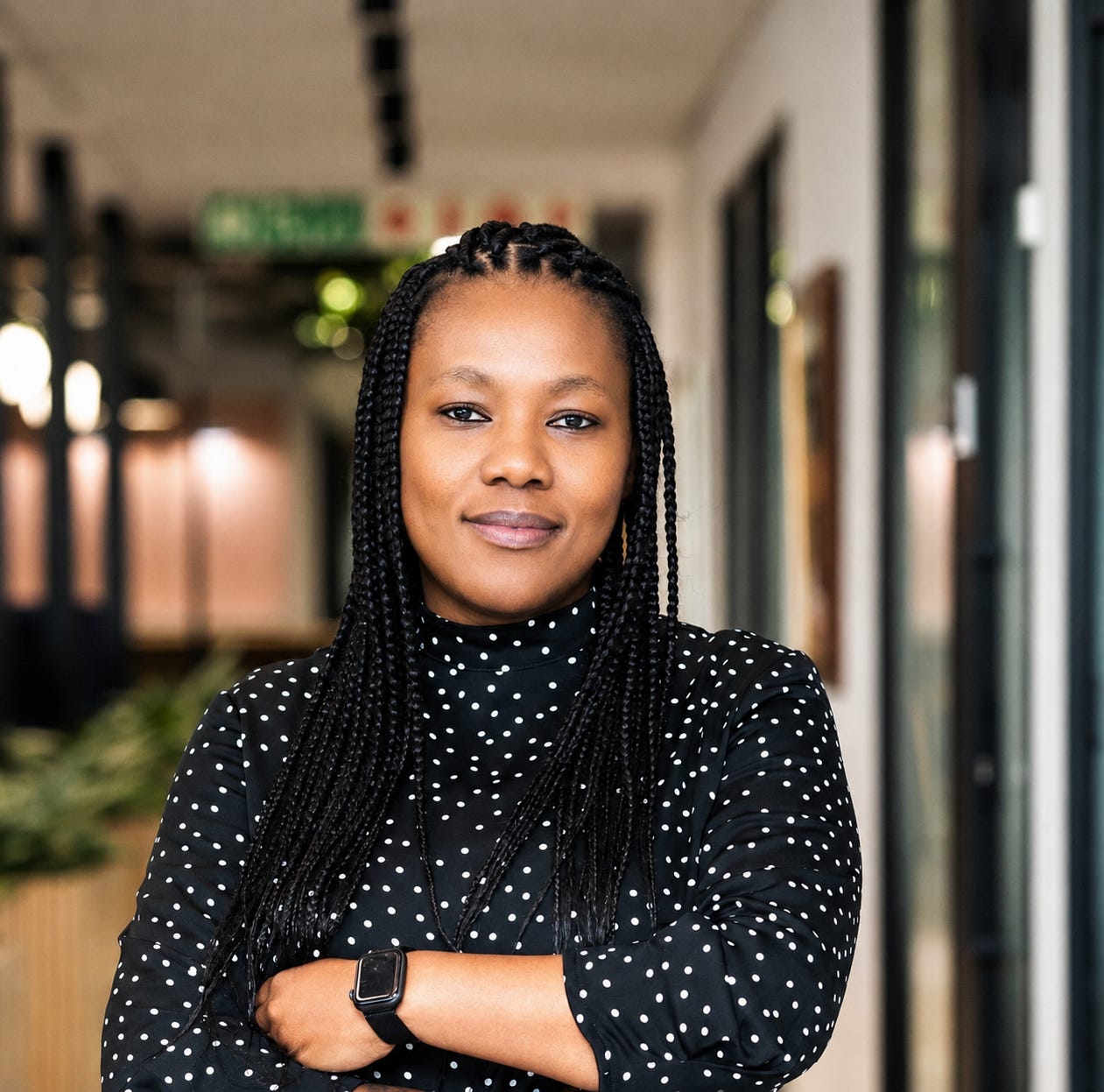
Jackie Mapiloko’s story is a reminder of the power of possibility — and the brilliance that emerges when talent meets opportunity. Born and raised in Soweto, she credits her township upbringing for shaping her resilience, confidence and ability to connect with people from all walks of life. As she puts it, “Growing up in a township teaches you things no textbook ever could… It gives you confidence, resilience and teaches you not to take yourself too seriously.”
From Motsaneng Primary in Mapetla to the specialised Metlife Raucall school for gifted learners, Jackie’s academic journey opened her world and sharpened her ambition. She followed her passion for storytelling into a Journalism degree at the University of Johannesburg, later securing a competitive internship at City Press — a defining moment she embraced with courage and determination. “I wasn’t there just to complete an internship, I wanted to earn my place,” she recalls.
Today, Jackie is the Vice President of Communications for De Beers in South Africa, leading teams across media relations, executive communications, brand management and crisis response. Her work is rooted in clarity, honesty and connection, values shaped by her grandmother, a teacher whose influence still guides her. “She taught me the value of education, discipline, kindness and treating people with respect.”
Jackie’s journey shows young women that careers are not always linear, and dreams can evolve into something extraordinary. She is proof that curiosity, courage and hard work can take you from a Soweto classroom to the leadership table of one of the world’s most iconic companies. Her story inspires girls to embrace their voice, nurture their talents and step boldly into the future — because their potential is limitless.
Q & A
Where were you born and raised?
I was born and raised in Soweto, and I honestly wouldn’t trade that upbringing for anything. Growing up in a township teaches you things no textbook ever could. You learn to think on your feet, make a plan when things don’t go your way and connect with people from every walk of life. It gives you confidence, resilience and teaches you not to take yourself too seriously. Those lessons have stayed with me throughout my career, and I still draw on them almost every day.
Which primary and high schools did you attend?
I started my schooling at Motsaneng Primary School in Mapetla, Soweto, before moving to Lenasia Primary School. In 1997, I was lucky enough to be accepted into Metlife Raucall, a specialised school funded by the former Rand Afrikaans University (now the University of Johannesburg) for academically gifted learners from disadvantaged communities. It was a life-changing opportunity that opened doors and expanded my view of what was possible.
What was life like growing up?
When I think back to growing up in the 80s and 90s, I think about how simple life was. We had the freedom to just be kids. We played outside until the streetlights came on, made games out of almost anything and somehow always found an adventure. We didn’t have smartphones or social media, so our imaginations did all the work. There was also such a wonderful sense of community. Everyone knew everyone, every auntie was allowed to discipline you if you stepped out of line, and respect wasn’t negotiable! We looked out for one another, celebrated different cultures and, without even realising it, learned so much from the people around us.
Where did you study after school and what did you study?
I knew very early on in high school that I had a passion for telling stories and I chose a career that would allow me to do that. So, in 2002 I registered for a Journalism degree at the University of Johannesburg.
Are you married? Do you have children?
Yes, I am married and have two beautiful girls, Aallya (17) and Thato (10).
What are your hobbies and how do you relax?
I’m actually quite an introvert, so I’m at my happiest when I’m home. I’m also a dog mom, so you’ll usually find me walking my dogs or curled up on the couch with them after a busy day.
How do you keep up with trends in your field?
Social media has made life so much easier, with news and the latest trends at our fingertips. I’m also a huge fan of podcasts and my top favourites at the moment are SMWX Podcast, The Money Show and The Corder Report.
When did you first “start” your career and what was that moment like?
My career really began in my final year at the UJ when I secured a six-month internship at City Press. There were three of us and just one permanent position available at the end, so I knew I had to make every opportunity count. There was just one problem; I didn’t have a driver’s license, which was a requirement for the job. My dad stepped in and spent every weekend teaching me how to drive because he knew how much that opportunity meant to me. It’s still one of the greatest gifts he’s ever given me. From day one, I volunteered for every assignment I could. I wasn’t there just to complete an internship, I wanted to earn my place. Looking back now, I’m proud that I kept saying ‘yes’, even when I was nervous. That experience taught me that some of the biggest opportunities come when you’re willing to step outside your comfort zone.

Your Career
What is your current job title?
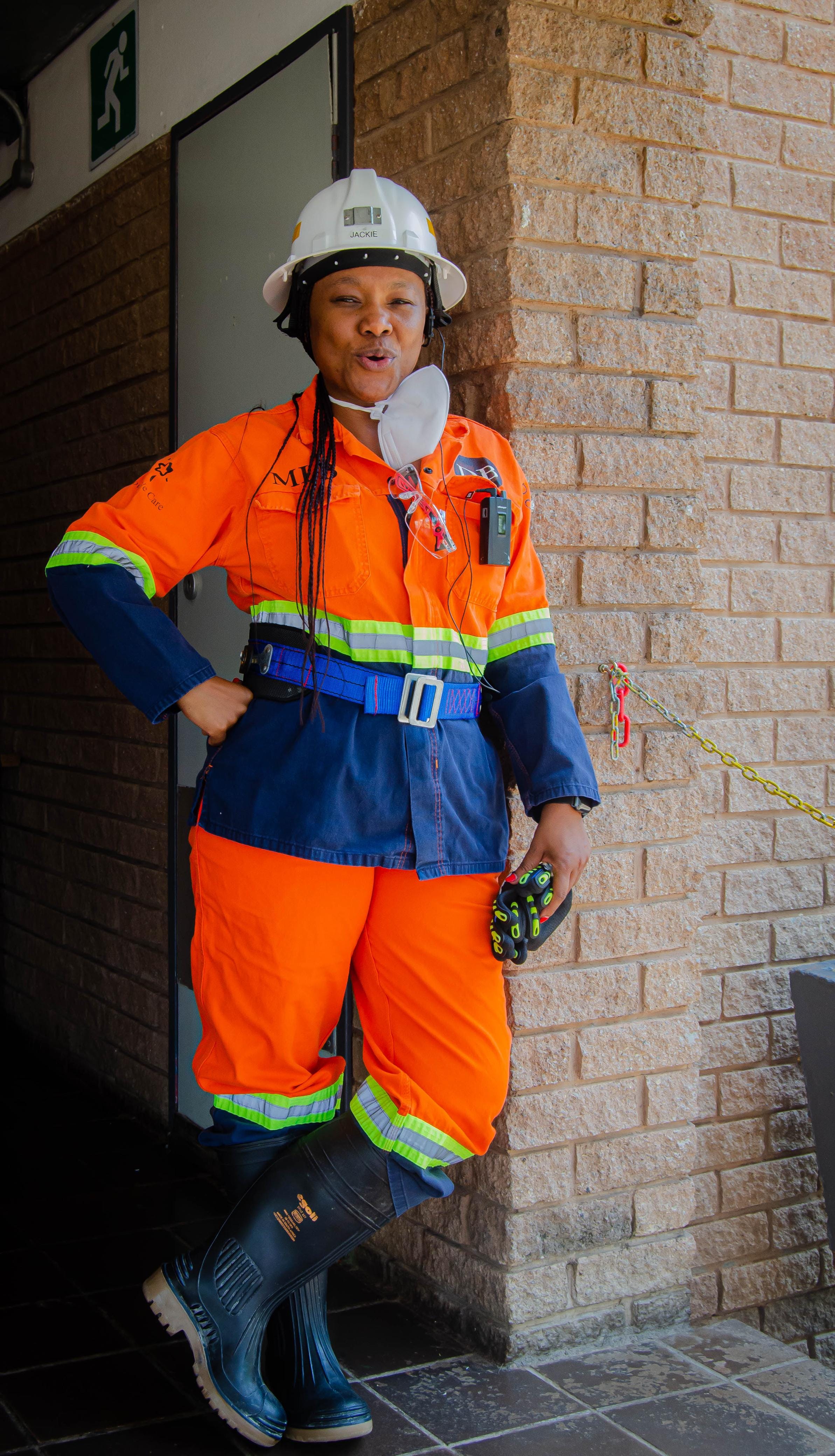
I’m the Vice President of Communications for De Beers in South Africa. I lead a team responsible for internal and external communications, media relations, executive communications, brand and reputation management, stakeholder engagement and crisis communications. At the heart of it all, my role is to help people understand complex issues through clear, honest and meaningful communication.
How long have you been in this role?
I joined De Beers in 2017 as a Corporate Communications Manager. Over the years, I’ve had the opportunity to grow through different leadership roles, and for the past two years I’ve been the Vice President of Communications for South Africa. It’s been an incredible journey, and I’m still learning every single day.
Briefly describe what your job involves day‑to‑day.
No two days are ever the same, and that’s one of the things I love most about my job. One day I could be advising our leadership team on a major business announcement, the next I might be preparing an executive for a media interview, supporting our operations with employee communications or helping the business navigate a crisis. People often think communications is just about writing, but it’s so much more than that. It’s about building trust, creating understanding and helping people make sense of what’s happening around them.
Where are you based?
I’m based in Rosebank, Johannesburg, South Africa.
What do you love most about your job?
Without a doubt, it’s the people. I’ve always been fascinated by people – what motivates them, what inspires them and the stories they carry. Whether I’m working with employees, journalists, community members or senior leaders, every conversation teaches me something new. Helping people connect through honest and meaningful communication is the part of my job I’ll never get tired of.
How did you get into this line of work?
After spending 10 years in journalism, I felt ready for a new challenge. I started freelancing and had the opportunity to work with a number of mining companies. The more I learned about the industry, the more I fell in love with it. I saw the incredible contribution mining makes to our country’s economy, but I was equally inspired by the work being done to support employees, families and surrounding communities. I realised I wanted to be part of telling those stories. That’s what led me into corporate communications, and I’ve never looked back.
Was this always your dream career?
Not at all! Believe it or not, I wanted to become a Chartered Accountant. It didn’t take long for me to realise that numbers and I were never going to be best friends. Thankfully, I discovered writing instead, and everything just clicked.
What have been some highlights so far?
One of the biggest highlights of my career has been working with four different senior leaders since joining De Beers. It’s taught me that there isn’t one definition of a great leader. Every leader brings something different to the table, and that’s what makes the role so interesting. I’ve really enjoyed helping each of them communicate in a way that’s authentic to who they are. The best executive communication doesn’t change a leader’s voice; it helps them find it.
What are the best parts of the job?
One of the best parts of my job is that you never stop learning. Communications gives you the opportunity to work across almost every part of the business, so you’re constantly exposed to new people, new challenges and new ideas. If you’re naturally curious, it’s an incredibly rewarding career because every day teaches you something you didn’t know the day before.
What are some of the challenges?
One of the biggest challenges is communicating difficult news. Whether it’s organisational change or a crisis, those conversations affect real people. You have to approach them with empathy while also remaining objective enough to do your job well. Learning to separate your own emotions from the work isn’t always easy, but it’s an important part of the role.
What type of personality suits this career?
You don’t have to be the loudest person in the room, but you do need to be curious. This career suits someone who enjoys building relationships, listens more than they speak, is approachable and is always willing to learn.
Is it well‑paying? Are there good benefits?
Like most careers, it depends on your experience, the organisation you work for and the industry you’re in. Communications offers excellent career growth, and with experience there are opportunities to move into leadership roles with competitive salaries and benefits.
Can you work in other countries with this qualification?
Absolutely! Strong communication skills are valued all over the world. While every country has its own culture and media landscape, the core skills (writing, strategic thinking, relationship building and storytelling) are transferable across industries and borders.
What education or training is needed?
There are many pathways into communications. I studied Journalism, but there are lots of ways to get into the profession, including Public Relations, Marketing, Media Studies and Corporate Communications. While your qualification is important, don’t underestimate the value of practical experience and building a strong network. Some of the best opportunities come through the relationships you build along the way.
Which matric subjects help?
English and other language subjects are a great foundation because they help develop your reading, writing and communication skills. That said, every subject has something to offer. Whether it’s critical thinking, problem-solving or understanding how the world works, they all help shape the skills you’ll use throughout your career.
How long does training take, and is it expensive?
Most bachelor’s degrees take between three and four years to complete, depending on the qualification and institution. The cost varies, but there are financial support options available. I studied through the National Student Financial Aid Scheme (NSFAS), which made it possible for me to pursue my degree, and I started repaying the funding once I started working.
Do you need ongoing training throughout your career?
Definitely. Communications is constantly evolving, especially with digital platforms and artificial intelligence changing the way we work. I believe the best communicators never stop learning, whether through short courses, reading, mentoring or simply staying curious.
Are bursaries, loans or scholarships available?
Absolutely. There are many funding opportunities available through government, universities and private organisations. Do your research, apply early and don’t limit yourself to just one option. You never know which application could open the door to your future.
Where can one study for this career?
There are so many options available today, both in South Africa and internationally. Take the time to research universities and colleges, compare the qualifications they offer and choose the one that’s the best fit for you. My biggest piece of advice is to start researching early. Don’t wait until your matric year to explore your options. The more time you give yourself, the more informed and prepared you’ll be when it’s time to apply.
What should a young person do first if they want to follow this path?
Start exploring now. Research the different career paths in communications, speak to people working in the industry and look for opportunities to gain experience, even if it’s through volunteering or job shadowing. Every experience teaches you something and helps you discover what you enjoy most.
Advice for the Young at Heart
What advice would you give someone thinking about this career?
Nurture your skills. If you enjoy writing, write as often as you can – keep a journal, start a blog or simply practise telling stories. If public speaking interests you, look for opportunities to build your confidence by joining a public speaking club, taking part in debates or speaking whenever you can. Consume different types of content, listen to podcasts, watch documentaries, listen to radio and expose yourself to different styles of communication. Most importantly, find what excites you. Communications is a broad field with opportunities for every talent, so the more you develop your skills, the more you’ll discover where you can make the biggest impact.
Is there a shortage of people in this field (in SA or globally)?
I wouldn’t say there’s a shortage, but there will always be a need for skilled communicators. Today, anyone can create and share content, but effective communication is about much more than posting on social media. It takes strategy, good judgement, strong writing, critical thinking and the ability to connect with different audiences. That’s why it’s important to invest in developing these skills and to treat communication as the profession it is.
What other similar jobs exist in your industry?
So many! That’s one of the things I love about communications. You could be a radio or TV presenter, start your own podcast, become a content creator, write a book, work in public relations or marketing, or even start your own communications business. There isn’t one set path, and that’s what makes this career so exciting – you can shape it around what you enjoy and where your strengths lie.
Looking back, what would you have done differently?
I would have invested more time in building my personal brand. As someone who’s naturally quite reserved, I was often happy to let my work speak for itself. While that’s important, I’ve learnt that it’s equally important to let people know who you are and what you stand for professionally. So my advice to young people is to start building your personal brand early. Don’t wait for opportunities to find you; help people discover your potential by putting yourself out there.
Tell us about a teacher or mentor who inspired your journey.
Without a doubt, my grandmother. She was a teacher, and her house was simply an extension of her classroom. She had an incredible way of teaching, encouraging and bringing out the best in people, whether they were her learners, her grandchildren or anyone who walked through her door. She taught me the value of education, discipline, kindness and treating people with respect. Looking back, I realise that many of the values that have guided me throughout my life and career were first nurtured by her. What a rock star!
Where to study?
Please check out colleges, universities, bursaries, scholarships or loan options.
Learners interested in Journalism, Communications, Public Relations, or Media Studies can explore programmes at these South African institutions:
- University of Johannesburg (UJ)
- University of Witwatersrand (Wits)
- Rhodes University
- Tshwane University of Technology (TUT)
- University of the Free State (UFS)
- University of South Africa UNISA)
Bursaries, scholarships and funding:
- South African Reserve Bank Centre for Economic Journalism (SARB CEJ) Scholarship
- Netwerk24 Scholarship South Africa
- Canon Collins Mail and Guardian Scholarship
- National Student Financial Aid Scheme www.nsfas.org.za
- Ikusasa Student Financial Aid Programme www.isfap.org.za
- Educational loans from major South African banks
SOCIAL MEDIA HANDLES
Instagram: @jackie.mapiloko
LinkedIn: linkedin.com/in/jackie-mapiloko-820294b1
Blog:
https://faithhunour.blog
©Higher Education Media Services