


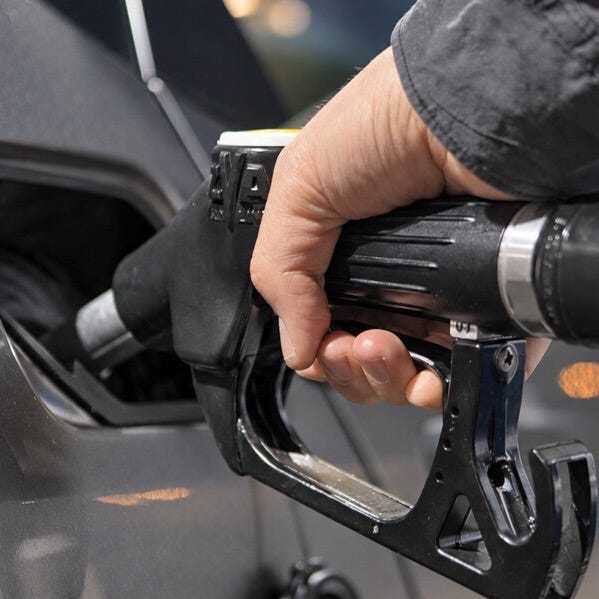
The Automobile Association (AA) has urged the government to provide meaningful fuel tax relief, warning that continued fuel price increases are placing significant financial strain on South African households and could have far-reaching consequences for access to education.
This follows the latest fuel price increase, which took effect on 7 October, pushing petrol and diesel prices to record highs. Early projections from the Central Energy Fund (CEF) indicate that fuel prices could rise further in November, with petrol expected to increase by as much as R4.58 per litre.
The AA has also criticised proposals by the Road Accident Fund (RAF) to increase its fuel levy, which currently stands at R2.25 per litre. The organisation argues that an increase would add pressure to consumers already grappling with rising living costs, including food prices, school fees and transport expenses.
AA Chief Executive Officer Bobby Ramagwede said higher fuel costs affect far more than motorists.
“Mobility is about much more than transport. It determines how people get to work, seek employment opportunities and ensure their children can access education. Every increase in the fuel price places additional pressure on families already facing financial challenges,” he said.
The association noted that transport costs remain one of the largest expenses for many low-income households, with some workers reportedly spending up to 40% of their salaries travelling to and from work. Rising fuel prices are also likely to increase taxi, bus and e-hailing fares, further affecting learners and students who rely on public transport to access schools, colleges and universities.
The AA warned that escalating fuel costs could contribute to higher inflation, potentially delaying interest rate relief for consumers and increasing pressure on household budgets. According to the organisation, diesel prices have risen sharply over the past year, while early CEF estimates suggest additional increases may be on the horizon. Businesses are also expected to pass increased transport and logistics costs on to consumers, creating knock-on effects throughout the economy.
To address these concerns, the AA has called on National Treasury to consider further reductions to fuel-related taxes and levies. The organisation has also requested a review of South Africa’s fuel pricing mechanisms and urged authorities to strengthen the country’s strategic fuel reserves.
The association further encouraged employers to explore flexible working arrangements where possible, arguing that even one remote working day per week could help workers reduce commuting costs. As South Africa marks Transport Month, the AA maintains that affordable mobility remains critical to economic participation, employment opportunities and access to education, particularly for lower-income communities.
Key fuel projections and figures
• Petrol prices could increase by up to R4.58 per litre in November.
• Diesel wholesale prices may rise by between R2.56 and R2.91 per litre.
• Illuminating paraffin could increase by around R5.00 per litre.
• The RAF levy currently stands at R2.25 per litre.
• The government provided temporary fuel levy relief earlier this year, estimated to cost more than R17 billion.
Sources: Automobile Association (AA), Central Energy Fund (CEF), Investec Chief Economist Annabel Bishop. November fuel adjustments remain projections and are subject to change.