


By Cindy August
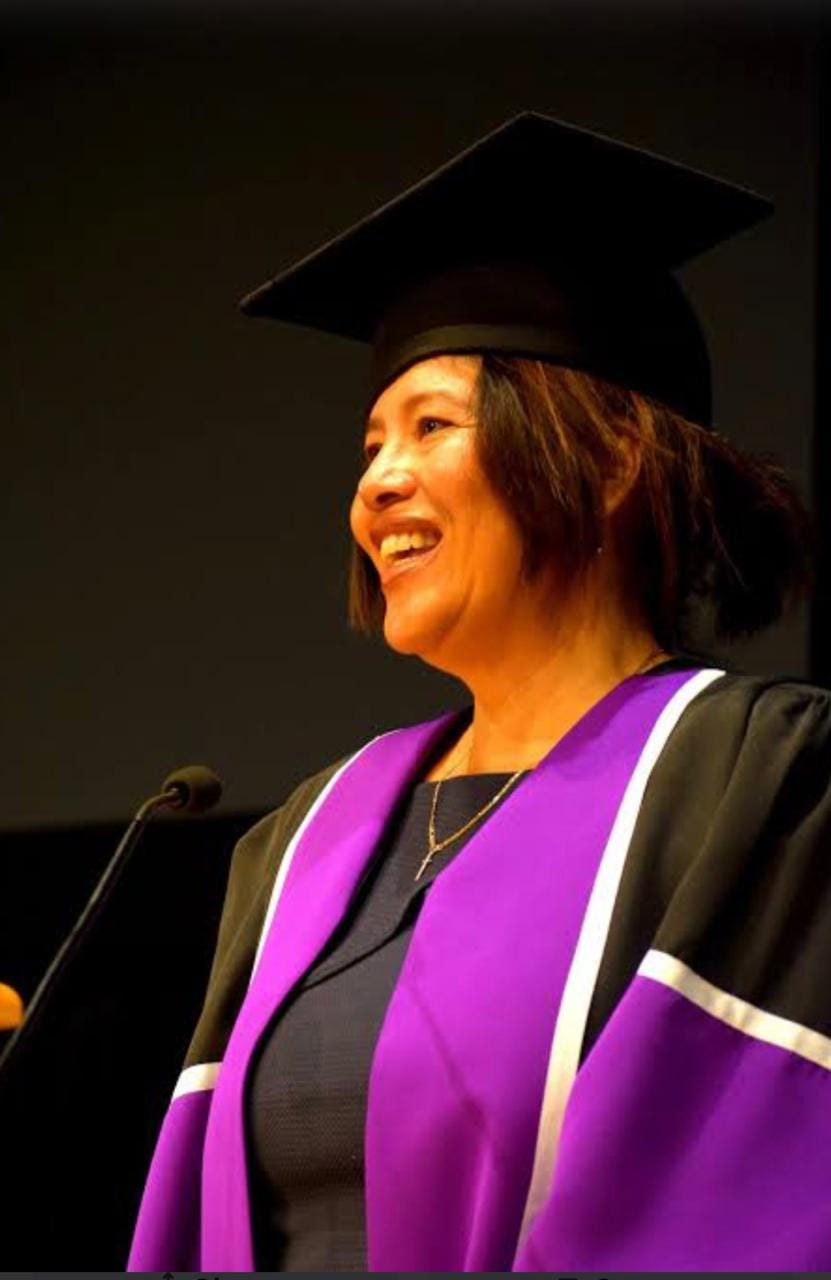
Professor Adéle Moodly’s untimely passing on 17 September 2026, after a courageous struggle with cancer, has deprived South African higher education of an accomplished academic, experienced administrator, activist leader in education and influential scholar of gender and university leadership. A sustained concern with the relationship between education, social inequality, community rootedness and institutional transformation distinguished her career. She effectively combined scholarly enquiry with administrative leadership, regarding each as a means of widening access, challenging exclusion and creating opportunities for others.
Born into a working-class family in Gqeberha, Moodly matriculated from Bethelsdorp Senior Secondary School in 1984 and entered Rhodes University the following year. After completing a Higher Diploma in Education in 1989, she began her career as a teacher at Betram Senior Secondary School. She later joined the Eastern Cape Technikon, which was later incorporated into Walter Sisulu University, where she progressed from Head of the Department of Languages and Communication to Deputy Dean and, later, Dean. Her qualifications included a Bachelor of Arts, Bachelor of Education, Master of Education, Master of Business Administration and Doctorate in Education.
During her sabbatical in Saudi Arabia, Professor Moodly contributed to the Women in Education programme, receiving recognition for her work and a formal farewell. Following her tenure as Deputy-Dean of Education at the University of Fort Hare, she returned to Rhodes University as Registrar in 2017, becoming the first black woman to hold the office in the institution’s 113-year history. As a member of the leadership team led by Professor Sizwe Mabizela, including Professor ‘Mabokang Monnapula-Mapesela, the Deputy Vice-Chancellor: Academic and Student Affairs and others, she brought extensive experience in academic administration and a commitment to equitable institutional governance. Her contributions to governance, policy and academic administrative reform advanced the university’s academic mission and transformation agenda. She passionately championed the professional advancement of black women academics and younger colleagues, treating mentorship as a substantive obligation of academic leadership and a means of challenging entrenched barriers to their progression.
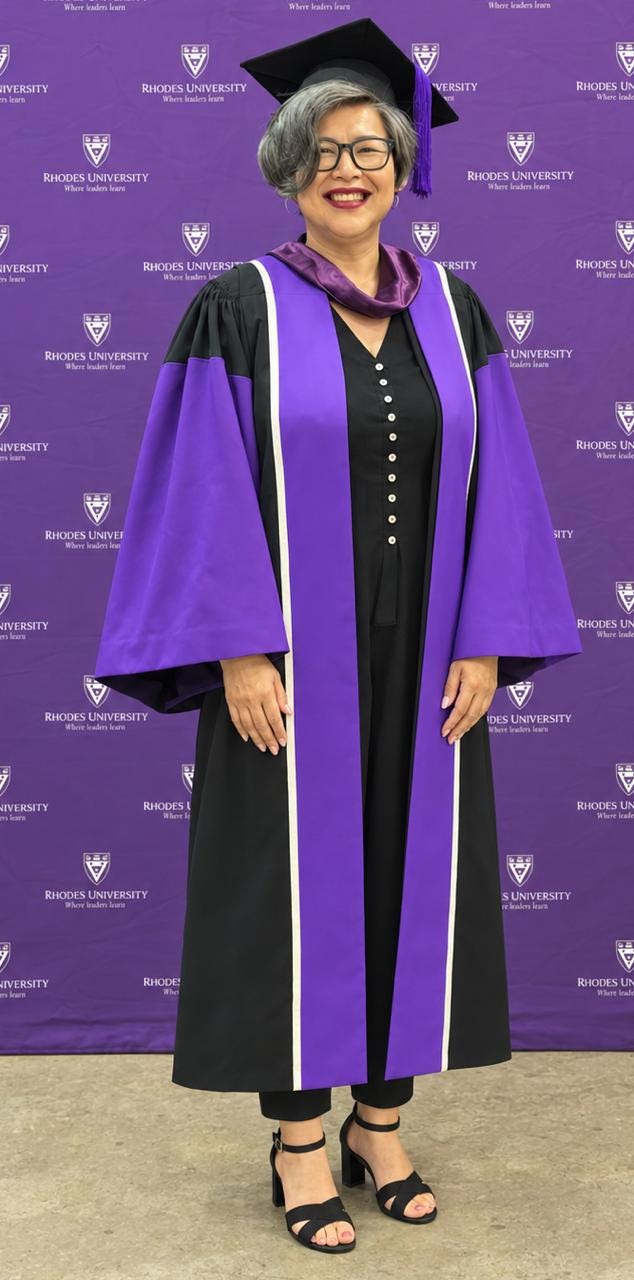
Adéle’s early research examined the role of Technikons in community development and the provision of adult literacy education in rural and economically marginalised communities. These interests developed into a substantial body of work on institutional culture, gender, power and leadership in higher education, centred on the persistence of gender inequality despite legislation, policy commitments and formal support for transformation. By demonstrating how gendered practices, entrenched networks and institutional cultures shape access to senior positions, her research provides an important analytical basis for understanding why formal commitments to equality do not always produce substantive change.
By highlighting selected publications, the discussion below traces Professor Moodly’s longstanding scholarly enquiry into gender, institutional culture and the exercise of power in South African higher education. They speak to central debates about the relationship between demographic representation and substantive transformation, the persistence of exclusion despite formal commitments to equity, and university leaders' responsibility to create fair pathways into senior positions. Taken together, these studies provide a basis for examining how universities develop, recognise and support leadership, while asking whether meaningful changes in institutional practice accompany changes in policy and representation.
In “Gender Equity in South African Higher Education Leadership: Where Are We Twenty Years After Democracy?” (2015), Moodly documented the limited representation of women in senior university positions two decades after the democratic transition. Her analysis established an empirical foundation for the research programme that followed. Rather than treating women’s underrepresentation as a matter of individual aspiration or ability, she located it within institutional structures, cultural practices and established patterns of authority.
Working with Dr Noluthando Toni, Moodly examined women’s pathways into leadership and the organisational conditions affecting their advancement. Their article, “Accessing Higher Education Leadership: Towards a Framework for Women’s Professional Development” (2017), argued that women’s routes into senior leadership were often unplanned and constrained by gendered institutional cultures. It proposed a more deliberate approach to professional development, career planning, mentorship and institutional support. In “Re-imagining Higher Education Leadership” (2017), the authors drew on the experiences of South African women deputy vice-chancellors to show that transformation required more than increasing representation. It also required universities to reconsider inherited assumptions about authority, leadership and organisational culture.
Later, her research on institutional culture identified male-dominated networks, the silencing of women’s voices and cultures of exclusion as continuing systemic obstacles to advancement. This work was significant because it moved the discussion beyond formal policy compliance and towards the less visible practices through which inequality is reproduced in everyday university life.
Moodly subsequently extended this enquiry to the perspectives and responsibilities of men in senior leadership. In her 2021 article, “Divergence of Perspectives on Women and Higher Education Leadership?”, she examined whether men in positions of authority understood the structural and cultural barriers women experienced. Her findings suggested that, although male leaders recognised some of these challenges, the stronger effects of patriarchy and institutional culture were not always fully appreciated.
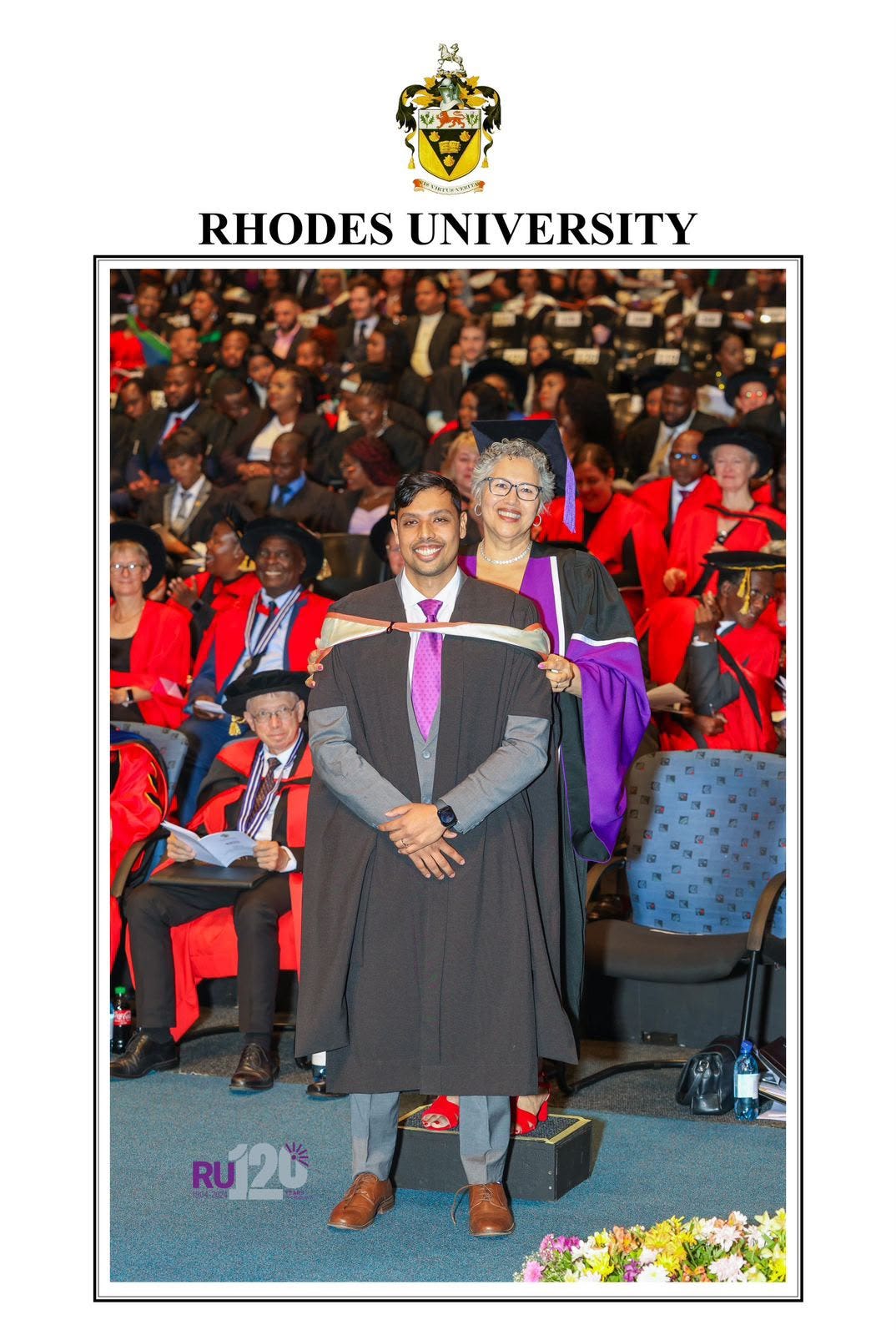
This argument was developed further in “Exercising Positional Power to Advance and Support Women in Leadership” (2024). Moodly argued that men in influential positions had both the agency and the responsibility to drive institutional change. The article received the Management in Education Editorial Board Choice award, recognising its important contribution to the field. Its central proposition was clear: gender transformation could not be assigned to women alone. Those with institutional power had to use it deliberately to remove barriers, strengthen mentorship, and create equitable pathways into leadership.
Her 2025 publication with Monnapula-Mapesela, titled Women leadership in higher education: Using positional power to change the game and amplify women’s voices, focused on their experiences as two black women who have held leadership roles at various higher education institutions in South Africa. They use the analogy of chess to analyse the nuances of patriarchy and foreground that patriarchy and power games are still prevalent in universities. The chapter concludes by urging women to master the art of positional manoeuvring and to use their power and voice to disrupt unwelcome, debilitating cultures in the interest of the broader institution and society.
Her final co-authored study, published with Elron Fouten in 2026, returned to the question she had examined a decade earlier. Comparing leadership representation in South African public universities in 2014 and 2024, the study found that women’s representation had increased from 23.7 per cent to 39.6 per cent. This progress remained uneven. Women were still 36 per cent less likely than men to occupy leadership positions, while advancement at vice-chancellor level remained particularly limited. The findings reinforced Moodly’s longstanding argument that numerical progress, although important, did not in itself amount to structural transformation. Her academic work was always closely connected to her institutional practice.
Adéle was also acknowledged and recognised both nationally and internationally through guest lecturing and her research, publications and contributions at various organisations. She served on the Council on Higher Education (CHE) Reference Group that developed the Norms of Certification for the Higher Education sector within the Higher Education Qualifications Sub-Framework (2020). She was also part of the team of eight university registrars who contributed to the publication of “A Registrar’s Handbook” in 2022. Adele was also a member of the Registrar’s Forum Executive.
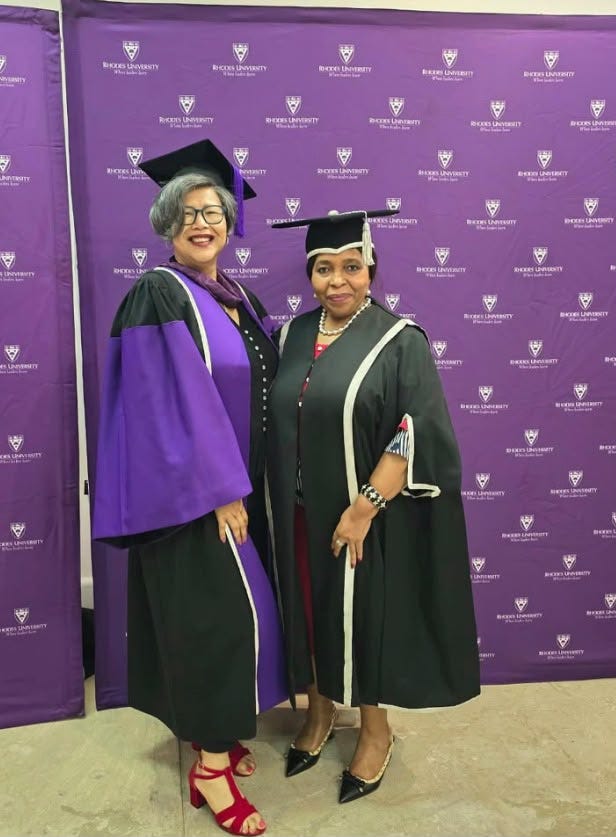
Moodly leaves an important intellectual and institutional legacy. Her publications showed that equitable leadership requires more than appointing individual women to senior positions; it demands sustained attention to institutional culture, the responsible exercise of authority, and the reform of systems that determine who is recognised, supported, and able to lead. Her scholarship will remain relevant to debates on university governance and transformation, offering scholars, institutional leaders and education practitioners a valuable foundation for strengthening leadership development, mentorship, succession planning and accountability. It also challenges those in positions of authority to confront systemic barriers and create more equitable pathways into leadership.
Adéle’s professional life was accompanied by an equally strong commitment to her family and by an enduring loyalty to the friends who shared her journey. Amongst friends and family, she is also remembered for her warmth and natural friendliness, which put others at ease. At the same time, her willingness to listen, learn and engage with different perspectives reflected the humility and openness that distinguished both her personal relationships and her professional leadership. She is survived by her husband, Brendan Barry; her son Carl and his wife Dayna; her grandson Kai; her mother Angeline; her brother Russel; her sisters Heather and Cheryl; her nieces; her wider family; and a circle of lifelong friends and colleagues for whom her passing represents a profound personal loss.
Adéle’s legacy also challenges the generation that follows. Black academics must continue to pursue rigorous research, claim their rightful place in institutional leadership and challenge the structures that impede equitable participation and advancement. This responsibility, however, cannot rest on their shoulders alone. Universities and those who hold institutional authority must create enabling conditions in which black scholars are recognised, heard, supported and able to lead. Continuing this work would be a fitting tribute to Adéle’s scholarship and leadership, ensuring the pathways she helped open become wider, more secure, and more accessible to those who follow.
Cindy August is a close friend of Prof Adele Leah (Barry) Moodly.
©Higher Education Media Services.