

By Lydia Makina in Zambia
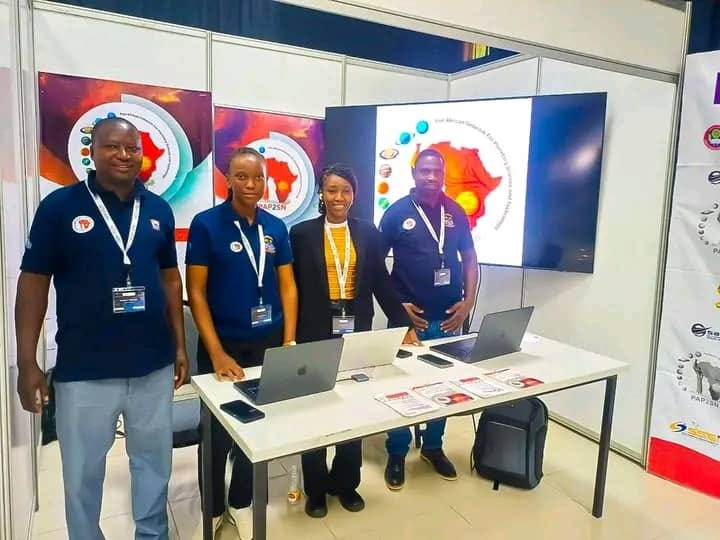
Brilliant minds from across the continent and beyond gathered in Kasane, Botswana, to advance astronomy, foster collaboration, and explore new frontiers in scientific innovation during the African Astronomical Society Conference.
Hosted by the Botswana International University of Science and Technology, the conference emphasises Africa’s expanding role in global astronomy, enhances international research collaborations, and influences the future of science.
The 6th Annual Conference of the African Astronomical Society, under the theme “ Under One Sky: Charting Africa’s Future through Astronomy- Innovation, investment & impact from Botswana Skies”. It began on 22 March and ends today.
The African Astronomical Society is a group or organisation created to bring together all astronomers, amateur astronomers, enthusiasts, and media professionals from different areas of astronomy and astrophysics to discuss community science interests and outreach, government involvement in what we are doing, and hiring institutions.
The African Astronomical Society is an annual platform for showcasing work ranging from science to outreach programmes, sharing best practices and ideas.
In a nutshell, the African Astronomical Society is the best way to implement shared outreach programmes on science through dissemination efforts and to share ideas on how to advance the fields of astronomy and astrophysics in the future.
Organisers describe the 6th Annual Conference of the African Astronomical Society as one of the most remarkable conferences, owing to more than 20 Zambians showcasing their work in outreach and science.
Principal Investigator Dr Saul Paul Phiri is delighted that Zambia has participated in all African Astronomical Society conferences since the society’s inception in 2019.

From the participation statistics, Dr Phiri says Zambia is in a favourable position to harness the benefits of astronomy, as her delegates continue to share expertise and experiences in all scheduled main and side meetings.
“We are above 25 delegates that have come from Zambia,” though locally, the outreach performance has not been impressive. The Zambian Astronomical Society is known only in secondary schools and at selected public events, which ordinary folk may not be privy to.
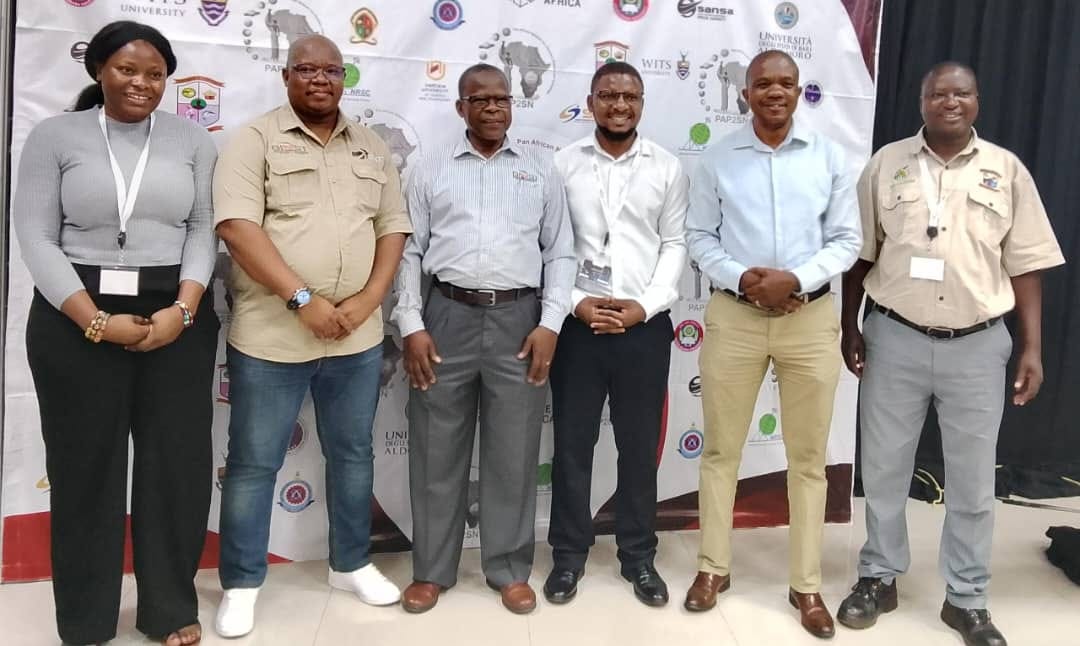
On this score, the Zambian Astronomical Society is planning to spread its tentacles countrywide across all 116 districts of the ten (10) provinces: Central, Copperbelt, Eastern, Luapula, Lusaka, Muchinga, Northern, North-Western, Southern, and Western.
“We need to do more and showcase space science and astronomy as alive and gaining momentum. Two, three, four, and five years ago, we didn’t have many astronomers or space scientists in the country. We could just see point one or two, but this time we are boasting of more than 15 to 18 astronomers or space scientists with masters and now pursuing Doctor of Philosophy (PhD) or some are holding PhDs in this field, a great development, if we are going to attain what the Ministry of Technology and Science is envisioning of sending a satellite up in space in the not too distant future,” noted an optimistic Dr. Phiri.
Dr Phiri believes that the future is bright, owing to the growing number of students passionately learning science in Zambia and benefiting from shared experiences at the ongoing 6th Annual Conference of the African Astronomical Society.
Alluding to programmes in space science and astronomy developed by the Copperbelt University (CBU) and the University of Zambia (UNZA) at the Great East Road Campus, Dr Phiri says the expert collaboration gained will bring to life approved local training programmes and give rise to homegrown space scientists.
The Zambian team is drawn from Central, Copperbelt, Eastern, Luapula, Lusaka, Northern, Southern, and North-Western provinces, with only Muchinga and Western provinces missing.
The conference serves as a platform for African experts to share knowledge, foster partnerships, and explore new ideas that can drive scientific development and technological advancement across the continent.
©Higher Education News Services.