


For decades, global university rankings have shaped perceptions of institutional visibility, performance and accountability. Yet many of these systems fail to fully reflect the diversity of missions, priorities and contributions that define higher education across Africa.
This is not an African problem alone. Around the world, universities are re‑evaluating what excellence means in an era where societal impact, sustainability, innovation, graduate outcomes and public value are becoming equally important indicators of success.
Africa now has an opportunity not only to participate in this global rethink, but to help shape it.
A New Chapter: The All‑Africa Rankings Initiative
The University of Cape Town (UCT), in partnership with Applied Higher Education (AppliedHE), has launched the All‑Africa Rankings Initiative—a long‑term continental effort to co‑create an African‑informed framework for recognising excellence across public and private higher education institutions.
Importantly, this initiative does not begin with rankings.
It begins with listening.
It starts with a fundamental question:
What should excellence in African fourth‑generation universities look like in the 21st century?
Any single institution or country cannot determine the answer. It must be shaped collectively by university leaders, governments, industry, policymakers, researchers and communities across the continent.
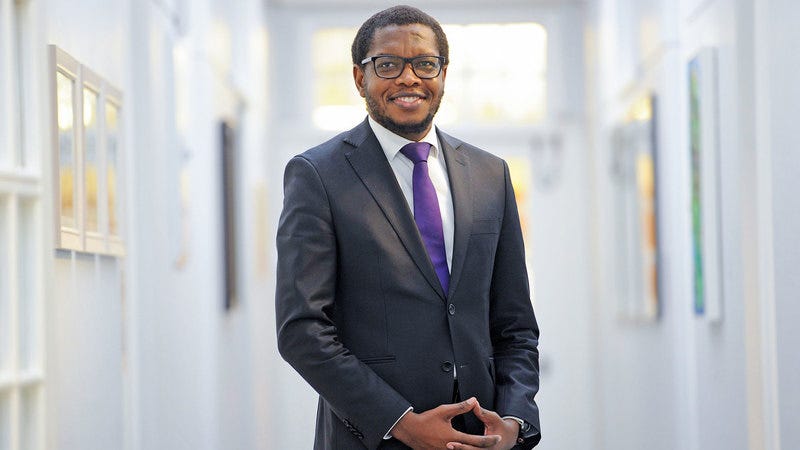
Said Vice-Chancellor, Professor Mosa Moshabela: “Our objective is not simply to determine who ranks first. It is to ask a far more important question: what kind of university does Africa need for tomorrow, and how do we measure what matters most?”
He said the initiative is not about replacing existing rankings, nor is it about creating different standards for Africa. Rather, it is about helping shape globally benchmarked measures that are also contextually relevant, while ensuring African perspectives contribute meaningfully to the future evolution of higher education worldwide.
“We believe that the universities with the greatest impact in the decades ahead will be those that combine academic excellence with societal relevance; global engagement with local responsiveness; innovation with inclusion; entrepreneurial thinking with sustainable development; and knowledge creation with human flourishing,” Moshabela added.
The inaugural All‑Africa Higher Education Xchange, co‑hosted from 31 August to 1 September 2026, will mark the first step in this journey.
©Higher Education Media Services.