


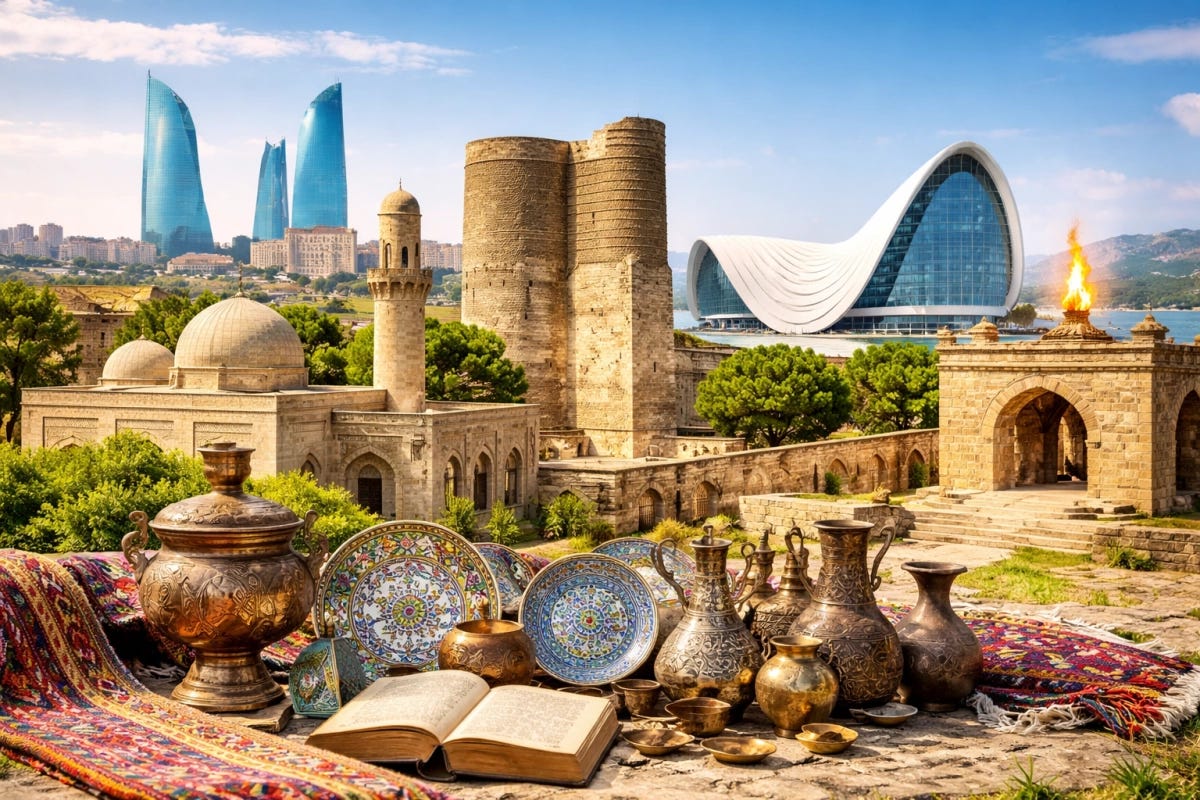
If you’re looking for a city that tells its story in stone, glass, and steel, put Baku on your 2026 list. Azerbaijan’s capital is stepping into the global spotlight next May, and it’s the perfect moment to see a place where ancient caravanserais sit a short walk from flame-shaped skyscrapers.
Baku’s Old City, Icherisheher, is a UNESCO World Heritage site for a reason. Wander the cobbled lanes and you’ll find the 12th-century Maiden Tower, the ornate Shirvanshahs’ Palace Complex, and centuries-old bathhouses that still whisper of Silk Road traders. It’s compact, atmospheric, and best explored on foot at dusk when the sandstone glows amber.
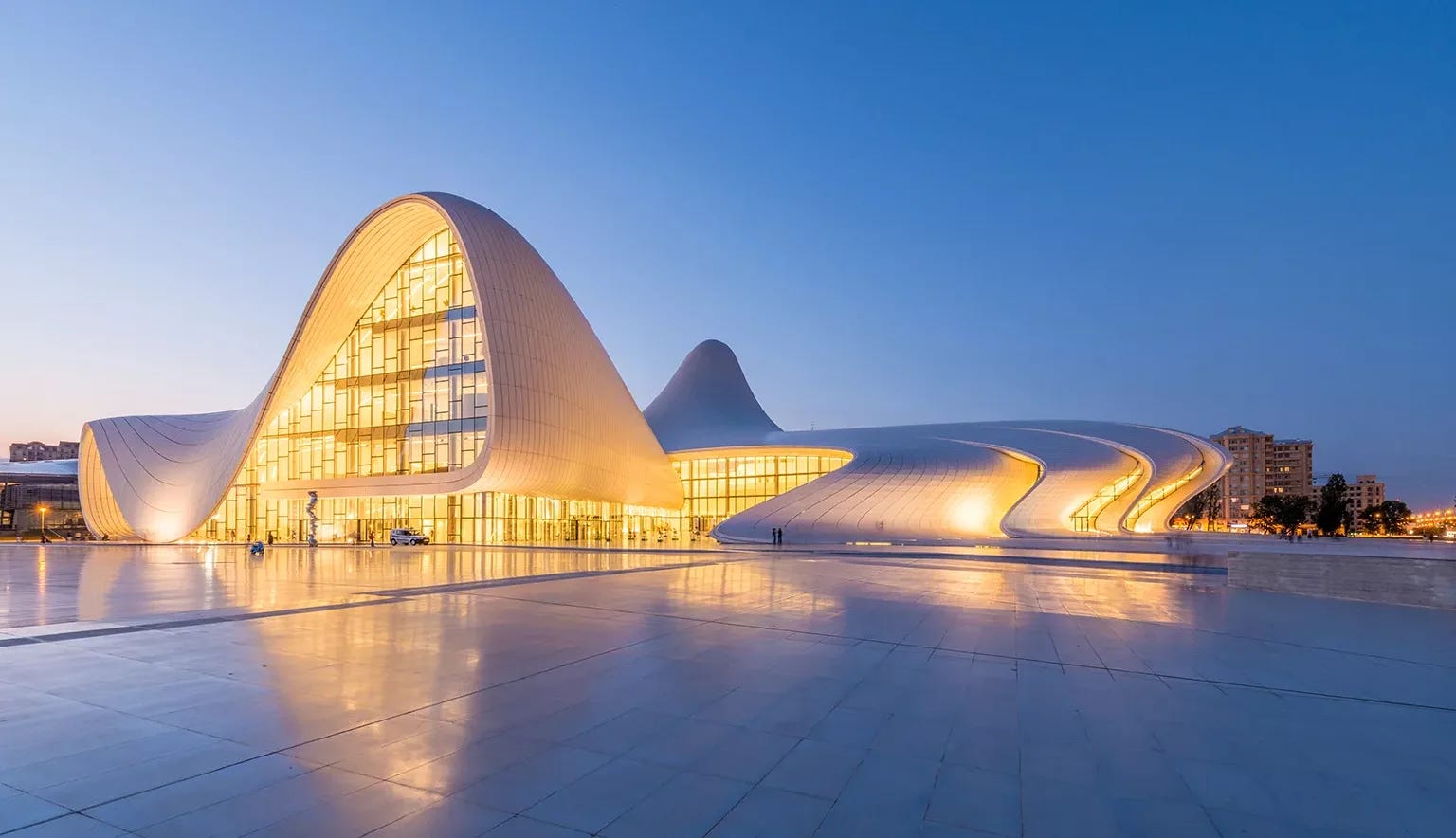
Step outside the fortress walls and the contrast hits you. The Flame Towers dominate the skyline, a trio of glass towers shaped like fire that light up at night with LED displays. Along the Caspian Sea, the Heydar Aliyev Center by Zaha Hadid flows in white curves that look like they’re in motion. Baku doesn’t choose between old and new - it puts them side by side.
2026: The Year of Urban Planning and Architecture
Azerbaijan has declared 2026 the “Year of Urban Planning and Architecture,” a nationwide focus on design, sustainability, and how cities live and grow. The timing isn’t random. From 17–22 May 2026, Baku hosts the 13th World Urban Forum, WUF13, organized by UN-Habitat under the theme “Housing the World: Safe and Resilient Cities and Communities.”
For travelers, that means the city will be buzzing with exhibitions, public installations, and discussions on how urban spaces work. Even if you’re not attending the forum, you’ll see the city showcase projects that blend heritage conservation with modern planning — from restored historic quarters to new districts built with energy efficiency and green space in mind.
Beyond Baku: See the new chapter unfold
The story extends beyond the capital. In Garabagh and Eastern Zangezur, Azerbaijan is rebuilding towns and villages as part of a “Green Energy Zone” initiative. New settlements are designed around renewable energy, sustainable materials, and climate-resilient infrastructure. It’s not on the typical tourist trail yet, but for visitors interested in architecture and urban development, it’s one of the most ambitious reconstruction projects happening anywhere right now.
Closer to Baku, Shaki offers another layer. The city’s historic center and Khan’s Palace are UNESCO-listed, with carved wooden interiors and stained-glass windows that feel frozen in time. It’s a 4-hour drive through mountain landscapes and makes for a perfect weekend trip.
Why go in 2026
Baku in May is mild, with long days and a Caspian breeze that keeps the waterfront pleasant. The city’s mix of Persian, Ottoman, Russian, and modern influences shows up in the food, architecture, and pace of life. You can have plov in a 200-year-old caravanserai for lunch and watch a contemporary art show in a converted power station by evening.
With WUF13 bringing global attention to housing, resilience, and sustainable cities, 2026 gives travelers a chance to see Baku not just as a destination, but as a live case study in how cities evolve.
If you go, give yourself at least 4 days: 2 for Baku’s old and new contrasts, 1 for the Caspian coast and modern museums, and 1 for a day trip to Shaki or Gobustan’s rock art. The city is easy to navigate, safe, and surprisingly walkable once you get past the main boulevards.
Baku isn’t trying to be Dubai or Istanbul. It’s something else - a place where history, oil wealth, and a clear-eyed push toward sustainable urban living meet on the edge of the Caspian. That’s what makes 2026 the year to see it.
©Higher Education Media Services.