


GiveDirectly has expanded its footprint in Malawi following a landmark $150 million donation from the Canva Foundation, aimed at helping vulnerable households confront rising hunger and economic hardship. The organisation, which has worked in Malawi since 2019, delivers unconditional, lump-sum cash transfers directly to the poorest adults via mobile money—an approach it says restores dignity and empowers families to make their own decisions.
As the Foundation notes, “Each eligible adult receives roughly $550… Each recipient is given the dignity to decide for themselves how best to use the resources.”
The Canva partnership has already transformed communities such as TA Khongoni in Lilongwe Rural, where 85,000 adults were successfully enrolled and paid. Building on that success, GiveDirectly is now scaling operations in Chiradzulu and Phalombe, with total enrollment projected to reach over 200,000 adults by 2028.
Evidence from Malawi and other countries shows that unconditional cash reduces hunger, boosts savings, increases incomes, and improves health and education outcomes. In Khongoni, GiveDirectly reports “55% fewer hungry people and 58% more families having savings” one year after receiving transfers.
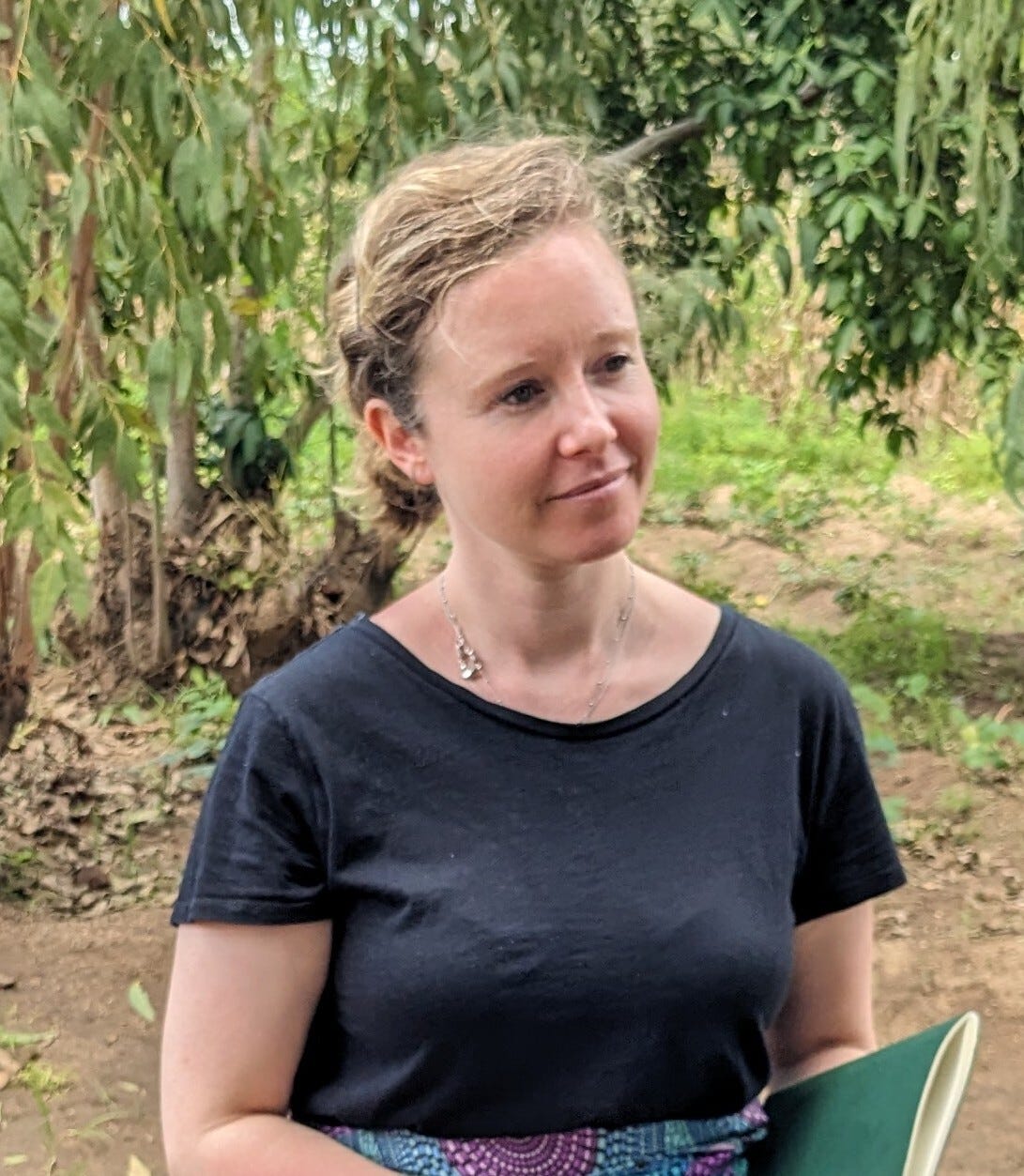
As the organisation grows, it remains committed to transparency, research, and safeguarding. Fraud attempts — particularly scammers impersonating GiveDirectly — remain a challenge, prompting strong verification protocols and community education. The Foundation emphasises that it never asks recipients to pay money to receive assistance, urging the public to report suspicious communication via its free hotline, 634. While beneficiary contact details cannot be shared for privacy reasons, GiveDirectly Country Director Grace Jackson. says it is willing to facilitate field visits for journalists to speak with consenting recipients. Below is a Q&A with Jackson.
Q&A
How will the Foundation disburse the aid?
GiveDirectly disburses funds as unconditional, lump-sum cash transfers sent directly to recipients via mobile money. Each eligible adult receives roughly $550 (converted to local currency and periodically adjusted for inflation to preserve its value). Each recipient has the dignity to decide how best to use the resources to address their needs.
How many families will benefit from the aid?
Since 2019, we have reached over 220,000 people across 11 districts and 4 cities. The Canva partnership, in particular, established the first scale pilot in TA Khongoni in Lilongwe rural, with successful enrollment and payment to 85,000 adults. Following this, coverage expanded to Chiradzulu and Phalombe Districts, with total enrollment projected at over 200,000 adults by 2028.
How will families be identified, and how many families across Malawi need aid?
Working closely with the Government of Malawi, we analyse national poverty data to select the geographic area with a high concentration of extreme poverty. GiveDirectly then registers all eligible adults in the geographic area. Local leaders and community members are actively involved throughout this process.
Our long-term goal is to reach as many districts as possible; however, this ambition has to be matched with available resources.
Will the families receive cash or food items?
Cash. This is the defining feature of GiveDirectly’s approach; we do not distribute food, vouchers, or other in-kind goods. Every transfer is unconditional cash, sent directly to the recipient.
Are there any conditions attached to the aid package?
The cash transfers have no conditions attached.
To what extent does the package reduce the Foundation’s needs?
Unconditional lump-sum cash transfers are among the most effective tools for addressing multi-dimensional poverty. Studies across multiple countries show that large-scale transfers meet immediate needs while also enabling longer-term investment and sustained consumption gains. In Malawi, our data collection in Khongoni found that 12 months after receiving the cash, average spending per recipient nearly doubled, with 55% fewer hungry people and 58% more families with savings.
What are some of your successes and challenges?
Successes: Since 2019, we’ve delivered more than $102 million to over 220,000 recipients across eleven districts and four cities. The initial findings from TA Khongoni mentioned above give us confidence that cash transfers are delivering sustained impact for recipients.
Challenges: Scaling responsibly takes time. One persistent challenge is attempted fraud: scammers impersonating GiveDirectly through fake messages or phone calls. We address this through recipient education, verification protocols, and active monitoring. Our message is clear: GiveDirectly never asks recipients to pay money to receive assistance. Any such request is a scam, which can be verified by calling our free hotline, 634.
What is your last word?
Three-quarters of Malawians are born into extreme poverty. Robust evidence shows that unconditional cash can transform lives — improving health, nutrition, income, education, and more. Studies show unconditional cash transfers increase incomes, consumption, entrepreneurship, business revenue and asset ownership. They reduce skipped meals, depression and anxiety. School enrollment and attendance increase, infant mortality drops, and children grow taller. As our work in Malawi expands, we are committed to ensuring transparency and sharing learnings as we gather more evidence. We remain extremely grateful for the partnership with the Malawi Government and external partners such as Canva, who are enabling this work.
©Higher Education Media Services.