


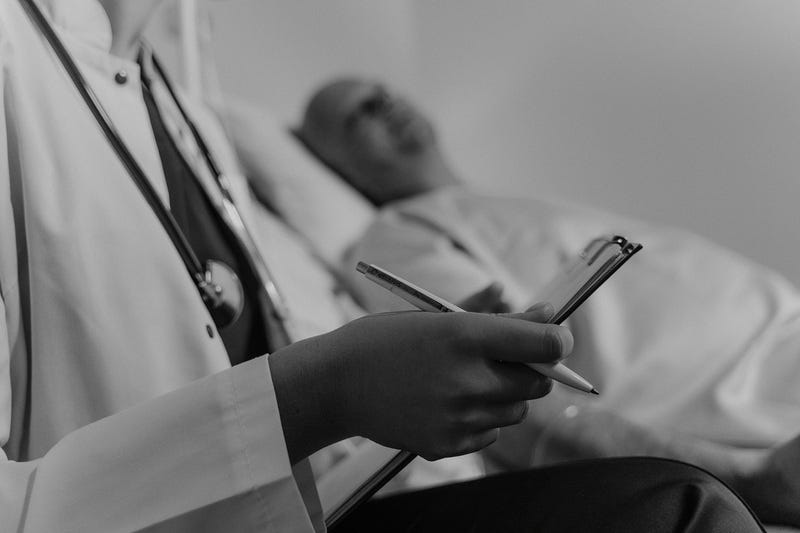
For thousands of South Africans arriving at emergency centres after experiencing violence, road accidents or severe injuries, surviving the trauma is only the first hurdle. Pain management remains a significant yet often overlooked challenge, with new research from the University of Cape Town (UCT) revealing that many trauma patients wait more than six hours for pain relief in one of the country’s busiest emergency departments.
Published in the African Journal of Emergency Medicine, the study examined how acute trauma pain was assessed and managed at the Emergency Centre of Mitchells Plain District Hospital in Cape Town — a high-volume facility serving communities with a substantial trauma burden. Researchers reviewed the medical records of 234 adult trauma patients treated over a two-week period in 2024.
The findings highlight important opportunities to strengthen pain assessment and timely treatment in high-pressure emergency care settings. While many patients presented with serious injuries, fewer than half received any form of pain medication during their time in the emergency centre. Pain assessments were documented in only 32.9% of cases, and patients waited a median of 375 minutes — more than six hours — before receiving their first dose of pain relief.
Trauma is a leading cause of illness and death in South Africa, contributing to more than 60,000 trauma-related deaths each year. Studies have shown that up to 70% of trauma patients in prehospital care and 91% of trauma patients in emergency centres experience significant pain, making effective pain management a critical component of quality healthcare.
“Emergency centres across South Africa manage large numbers of critically ill and injured patients under significant pressure. Our findings highlight opportunities to strengthen pain assessment, documentation and timely analgesia so that patients receive effective relief earlier in their emergency care journey,” said Dr Ngcebo Ndebele of UCT’s Division of Emergency Medicine and the study’s corresponding author.
The consequences of untreated pain extend far beyond physical discomfort. Inadequate pain management has been linked to adverse physiological and psychological effects, poorer patient outcomes and longer recovery times following traumatic injury.
The challenge is particularly evident at Mitchells Plain District Hospital, which serves an estimated 650,000 low- to middle-income residents. High rates of unemployment, poverty, crime, substance abuse and gang-related violence contribute to a significant trauma caseload, making the facility one of the busiest emergency centres in the Cape Town metropolitan area.
Interpersonal violence — including stabbings, blunt assaults and gunshot wounds — accounted for 56.5% of trauma cases reviewed in the study. The majority of patients were young men, with a median age of 33 years.
Researchers also found inconsistencies in how pain was managed. Some patients reporting severe pain received only basic analgesics, while others without documented pain assessments were treated with stronger medications such as opioids or ketamine. Pain assessments were typically conducted only during triage and often relied on verbal descriptions rather than validated pain measurement tools, such as a numerical pain-rating scale. Doctors rarely documented pain assessments, and no follow-up pain evaluations were recorded.
“Emergency centres need to rethink how pain management is prioritised,” said Dr Ndebele. One potential solution, he noted, is expanding nurse-led analgesia protocols, which have been shown internationally to be both safe and effective. Such approaches enable nurses to administer pain medication during triage, helping patients receive relief sooner rather than waiting several hours to be seen by a doctor.
The study also points to broader systemic pressures affecting South Africa’s public healthcare system, including overcrowded emergency departments, staffing constraints and growing patient volumes.
Professor Peter Hodkinson, the study’s senior author, said pain assessment and relief should become a core element of emergency care. “Pain should be assessed at the first point of contact with patients as one of the vital signs, and we need to prioritise pain alongside life-threatening conditions, which are currently the primary focus of emergency staff,” he said.
Professor Hodkinson added that enhanced training for healthcare professionals, particularly triage nurses, and standardised pain-management protocols across the healthcare continuum could help improve outcomes. “We also emphasise the need for standardised pain management protocols not only in hospital emergency centres, but across the continuum of care from first contact with the patient in pain, whether that is prehospital personnel, clinic staff or the hospital triage nurse.”
©Higher Education Media Service.