


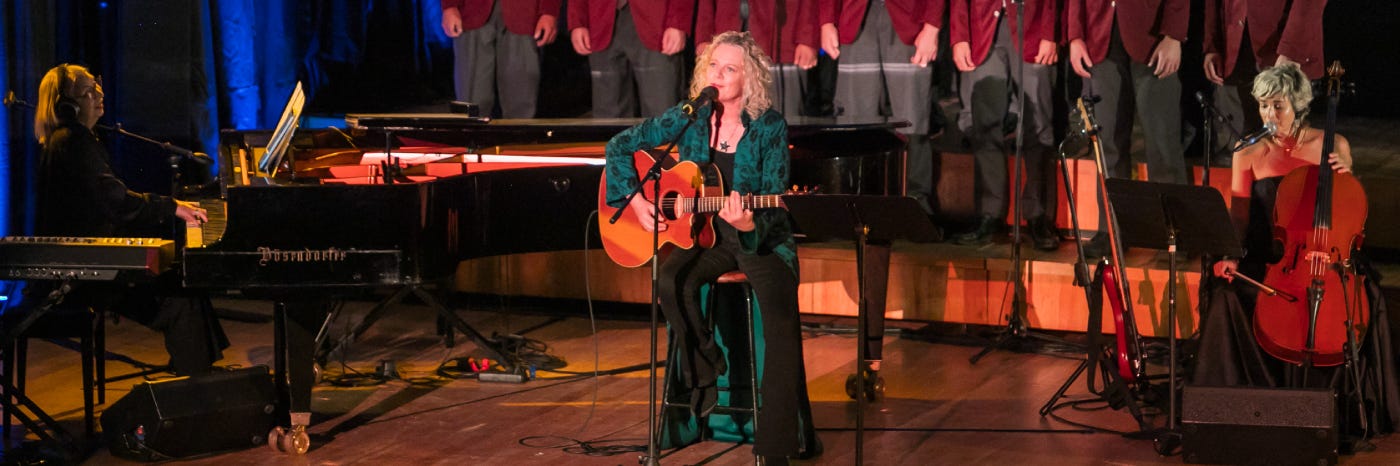
The Dictionary of the Afrikaans Language (Woordeboek van die Afrikaanse Taal, known as the WAT) celebrated its 100th anniversary last week with a glittering gala event in the Endler Hall.
• The dictionary, which has been housed at SU since 1930, is the most comprehensive dictionary of Afrikaans.
• SU’s support for the WAT forms part of the institution’s commitment to the development of Afrikaans and to multilingualism.
A century of work to document the Afrikaans vocabulary in all its rich diversity was recently celebrated on the campus of Stellenbosch University (SU). Linguists, academics, writers, media representatives, business leaders, donors and entertainers gathered for the 100th anniversary celebration of the Woordeboek van die Afrikaanse Taal (WAT). This crown jewel of the Afrikaans language is the only comprehensive, monolingual dictionary documenting all varieties of Afrikaans.
The black-tie celebration in the Endler Hall was fitting as the WAT has been associated with SU for over 100 years and is still housed on campus. In a packed auditorium, singers such as Amanda Strydom, Lize Beekman, Brandon October, Joshua na die Reën, Coenie de Villiers and Karen Petersen took the audience on a captivating musical and spoken word journey through the Afrikaans language.
Under Anna Davel’s skilled direction and Janine Neethling’s musical supervision, the story of Afrikaans was brought to life from the treasure trove of literature and music. Danab Bradley van Sitters, a community historian, poetically portrayed the contribution of Khoi and San languages to Afrikaans.
Chris van Niekerk and author Deon Meyer’s readings from the works of great Afrikaans writers such as C.J. Langenhoven, C. Louis Leipoldt, Olga Kirsch, Koos du Plessis, Adam Small and Diana Ferrus also touched the heartstrings.
The concert concluded with “Seëngebed”, a moving Afrikaans version of the national anthem, sung by the entire company. To the great amusement of the audience, who were on their feet by this time, Meyer added his voice to the final chorus, proving that he is not only a top-notch writer and orator, but also a decent singer.
SU is the WAT’s ‘academic home’
The evening’s master of ceremonies, TV presenter Kabous Meiring, praised the WAT for the monumental work of maintaining a “gigantic” dictionary, while continuously striving to boost Afrikaans through research and development.
Dr Ronel Retief, registrar at SU and chair of the WAT board, said the “academic home” that the University has provided to the WAT since 1930 not only includes infrastructure and expertise, but also an intellectual space within which the project could flourish.
“We look back with pride, appreciation and even nostalgia on a century of working with words,” said Retief. “We commemorate the WAT that reflects Afrikaans in its broadest scope and creates space for all varieties of Afrikaans, regional dialects and colloquialisms.”
Retief emphasised that the partnership between the Bureau of the WAT, the Pan-South African Language Council (PanSAT) and SU remains a cornerstone of the WAT’s continued existence and development. Retief noted that compiling a dictionary is a dynamic process and that the WAT will continue to be updated and refined in the future to remain relevant as an authoritative academic reference source for linguists and lovers of Afrikaans.
The chairperson of the WAT Trust, Dr Johan Holtzhausen, described the celebration as an “incredible milestone”. He reminded the distinguished audience that such a centenary is a once-in-a-lifetime experience. “Tonight we are not only celebrating one hundred years of dictionary making, but we also say thank you to so many people who have contributed to the task during this period.”
Dr Phillip Louw, the editor-in-chief of the WAT, thanked SU for decades of continued support. “To Prof Deresh Ramjugernath, the members of the rectorate and the other staff present here tonight, the WAT stands strong thanks to you,” said Louw.
He added that the partnership with PanSAT – of which SU is a part by hosting one of the country’s 11 National Lexicography Units – plays a crucial role in supporting functional multilingualism in South Africa through language development and protection.
The WAT is much more than a dictionary, Louw stressed. “It is a practical embodiment of a relatively small language community’s will and determination to develop, protect and document our beautiful language to the same extent as the much larger world languages.”
Speakers’ passion for their language
The WAT was initially conceptualised as 20 volumes, of which 16 – up to the letter S – have now appeared in print. The online version of the WAT, launched in 2023, now includes the letter U. The editorial team aims to complete the letter Z by 2028, a target made possible by a ten-year funding plan launched in 2018 after concerns that the WAT would otherwise take another two decades to complete.
According to Louw, one of the most remarkable aspects of the WAT is the way in which ordinary Afrikaans speakers helped to expand the dictionary.
In the 1930s, the WAT appealed to Afrikaans speakers to help document the language’s growing vocabulary. Over the decades, volunteers across South Africa wrote words, expressions and examples of language use on postcards and mailed them to the WAT offices in Stellenbosch. By 1963, the collection had grown to one million cards.
Louw describes it as the “earliest and largest crowdsourcing campaign in Afrikaans”. Today, the approximately 3.5 million index cards are still kept at the WAT office in Banghoekweg. “The collection is truly Afrikaans in its most democratic form. It shows you that people love their language,” Louw said.
People’s sense of humanity and dignity is closely linked to their language use, Louw believes. “If you dismiss people’s language as inferior, you violate their humanity. That’s why a project like the WAT, where all varieties of Afrikaans are recognised on an equal footing, is so important. It creates a comprehensive space that tells people that the language they speak is valid.”
Louw said the Afrikaans word that best captures the WAT’s 100-year celebration is “trammakassie”, which describes gratitude for care and love. “We have been receiving the love of the people who sit here for many, many years. And this celebration is a small token of appreciation that we can offer them.”
Story by Hannelie Booyens, Picture Supplied.
©Higher Education Media Services.