


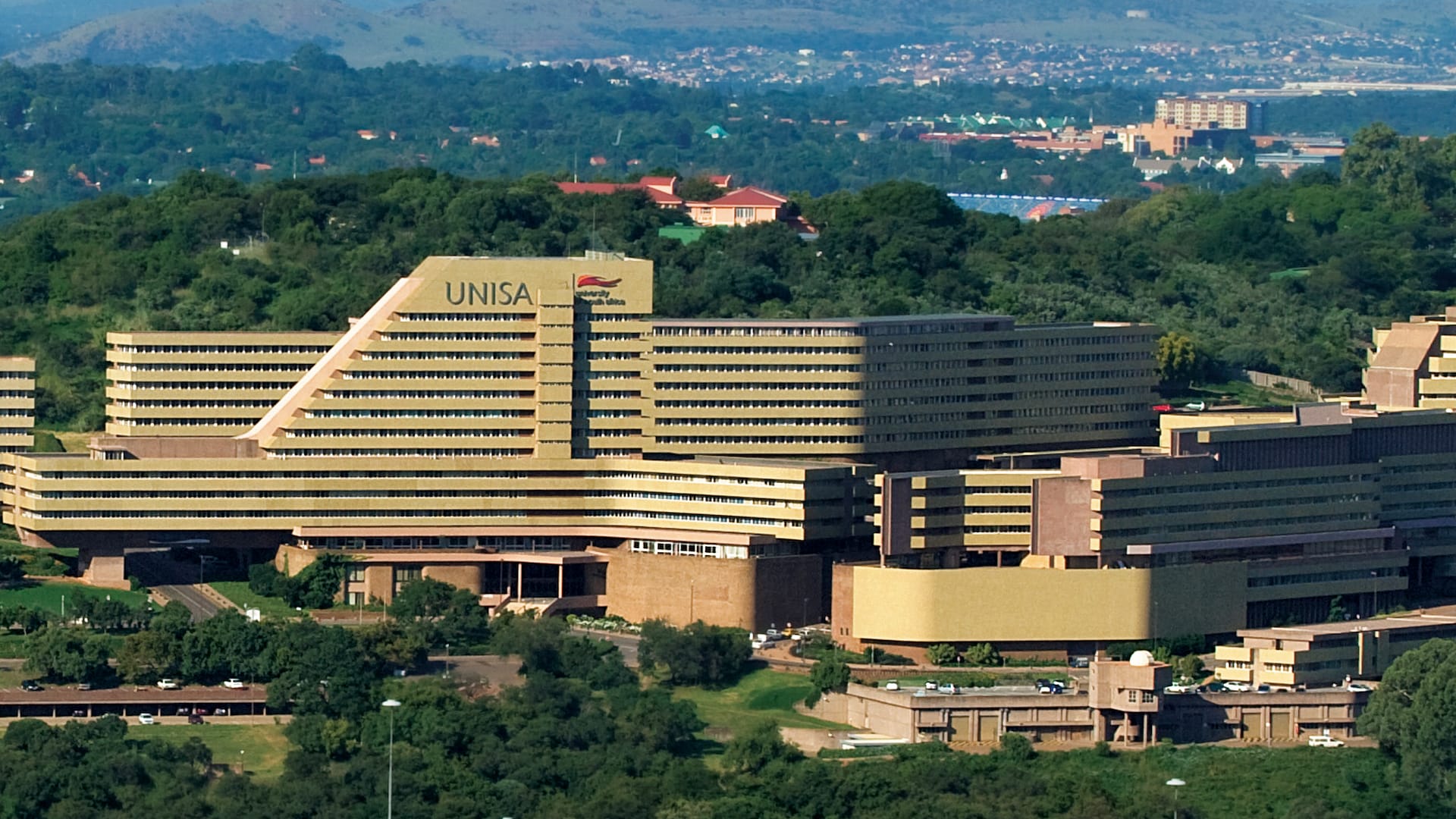
Three staff deaths in June, multiple stress-related hospitalisations and a mounting workload crisis have pushed academics at the University of South Africa (Unisa) to breaking point.
An investigation by education website, ednews.africa reveals allegations of burnout, fear, declining academic standards and growing unrest among staff and students after the university scrapped the posts of thousands of markers and e-tutors.
A University Under Strain
Academics and staff at Unisa, Africa’s largest distance-learning institution, say they are buckling under pressure following a dramatic increase in their workload, a culture of intolerance and the lack of help from oversight bodies.
Deaths and Hospitalisations
Three staff members, including two academics, died during June. At least nine employees have been hospitalised over the past two months, with three still receiving treatment, according to multiple university sources who spoke on condition of anonymity. They say many of the cases are linked to stress and exhaustion following the university’s decision last year not to renew contracts for markers and e-tutors.
Union Sounds the Alarm
The concerns are detailed in a leaked 37-page memorandum submitted by the National Education, Health and Allied Workers’ Union (Nehawu) to the university Council on 13 May. The union warned that Unisa may be exposing staff to occupational health and safety risks through chronic stress, burnout, fatigue, excessive workloads, work-related mental health harm and poor work-life balance. This was borne out by the deaths and hospitalizations of staff members, said academics.
The Markers Decision
According to an academic, vice-chancellor, Professor Puleng LenkaBula, led the charge against markers at a workshop last year, claiming that some academics had engaged family members to carry out marking tasks. Although no evidence was provided to support LenkaBula’s claims, the university insists it was a management decision to make the switch which has now boiled over onto staff – and students.
Unisa’s most recent workforce data, published in its 2023 Integrated Report, show the institution, which has more than 400 000 students, employed 3,493 permanent academics and 2,197 academics on fixed-term contracts (1 485 contracts were more than 12 months; and 712 contracts less than 12 months). Previously, the university relied heavily on 26,150 e-tutors and 5,095 markers, engaged as independent contractors. Since the start of the 2026 academic year, they were replaced by around 850 adjunct academics.
Nehawu says that the removal of markers and e-tutors engaged on contracts renewed for up to three years has destabilised the university’s academic operations. Academics are now expected to teach and absorb work previously performed by markers, e-tutors and teaching assistants.
“Markers, e-tutors and teaching assistants are not optional extras. They are essential to teaching, learning, assessment, feedback, student support, throughput, retention and academic quality assurance,” said Nehawu in the memorandum.
The Human Toll
The human cost and its impact on staff have become increasingly visible.
Dr Mary Mmatsatsi Madileng, 64, a senior lecturer in the Department of English Studies, died on 11 June, two days after collapsing at home from an aneurysm.
Her brother, Thulare Madileng, said she was deeply committed to her work. “My sister never complained, but she just had to do it. As a mother of two, she had no option. She just carried on,” he said.

During a memorial service on 18 June at Unisa, he appealed to university leadership to reflect on the working conditions facing employees.
Three colleagues said Madileng had repeatedly expressed concern about her health and struggled to cope with mounting pressure. An academic in her department, recalled: “She kept saying she was not coping.” On many occasions she was ill at work and in severe pain.
Questions Over Contract Staff
The death of Unathi Poyo, a lecturer in the Department of Criminal and Procedural Law, has raised separate concerns after she had reportedly been working on contract since 2016. Her passing has prompted questions from labour representatives about the university’s use of long-term fixed-term contracts.

Colleagues have launched a collection for her two children because, as a contractor, she did not receive a pension, medical aid and other benefits available to permanent staff.
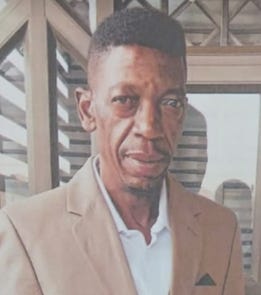
John Mboweni was employed in the IT department which come under pressure over the hiring of new adjunct academics at the beginning of the year when new staff members had to be onboarded, while at the same time, they were swamped with existing staff computing requirements. He died on 15 June.
A Growing Exodus
At least three academics indicated that they were considering resigning or taking early retirement given the toxic environment, the decline in standards, and failure by the university Council to hold management accountable on the “unilateral” axing of markers.
Students Feel the Impact
While academics and staff have taken severe strain, the main losers have been students, who have been waiting for months for assignment marks, which delayed their studies. Scores took to social media to vent their frustration as recently as yesterday.
There was more bad news for students following the news this week that due to the maintenance of the “myUnisa”, their results would only be available in August.
The Marking Backlog
An outstanding assessment marking analysis in the Nehawu memorandum given to the Council showed that the annual marking load for formative assessments for the first semester, includes around 2.1 million assignments received across 7 colleges, but by 7 May 2026, 557,319 assignments had not been marked.
A professor said on average each academic marked between 12500 to 20 000 assignments a term. She was aware that some academics had included multiple choice answers in their assignments to manage the workload. “This will undoubtedly affect the quality of qualifications.”
Nehawu said students are entitled to proper academic support, fair assessment and meaningful feedback within reasonable timelines. When marking is delayed, rushed or performed under crisis conditions, students are prejudiced.
According to the Nehawu memorandum, their concern is that the current resourcing model appears to have shifted substantial marking, assessment, and student support onto academics “without proper workload adjustment, consultation, risk assessment, or quality safeguards”.
Management Responds
Council Chairperson Dr Dan Mosia referred enquiries to Unisa management.
Unisa Executive Director of Institutional Advancement, Professor Boitumelo Ben Senokoane confirmed that the university did not renew or extend the contracts of external markers and e-tutors, saying it had received Council approval.
He said Unisa appointed adjunct academics who are South Africans with Masters and Doctoral degrees and most of whom who had been unemployed. The university followed institutional policies and procedures as well as applicable legislation.
He denied “malicious and false allegations” intended to portray Unisa as uncaring or contributing “to any ill health or any death”, adding that policies regulating both performance and employee wellness are in place. “All employees, including academics, are aware of the steps to be taken to address whatever wellness challenges they may encounter.”
Matshepo Seedat, the spokesperson for Minister of Higher Education and Training, Buti Manamela, said he would seek a report on the matter before commenting.
Council on Higher Education chief executive Dr Whitty Green said the statutory body has not been formally informed of the developments at Unisa and could not comment.
Universities South Africa did not comment while Higher Health, which deals with wellness at universities, could not be reached.
Sipho Stuurman, the spokesperson for newly appointed Deputy Minister of Higher Education and Training Yusuf Cassim, who has oversight for Unisa, said time was needed to establish the facts around “internal governance matters”.
‘People Are Dying Inside’
Prof Stewart Mothatha, a dismissed former Registrar, who had been embroiled in a bitter ongoing legal battle with the university, said staff feared for their jobs.
“They may not say so publicly but they (academics and staff) are dying inside, shown by the actual deaths and hospitalizations of several people. Stress levels are high because people are protecting their livelihoods,” he said.
For many academics, however, the crisis goes beyond workloads and staffing models.
“It is about the future of the institution,” said one senior professor. “People are exhausted, frightened and losing faith. The question is how much longer Unisa can continue like this before something gives.”
Burnout Beyond Unisa
A 2025 study published in Behavioral Sciences by Abraham et al. found that nearly half (49%) of academic staff surveyed at a South African university experienced severe psychological distress, while 27% reported high levels of burnout.
Research by Naidoo-Chetty, Du Plessis and Becker (2026) found that high job demands—including workload, online teaching pressures and publication requirements significantly increase burnout among academics in South African higher education institutions.”
A narrative review by N.G. Dlamini and N.D. Dlamini (2024) found that heavy workloads, limited resources, poor work-life balance and inadequate support systems are among the major contributors to burnout and reduced well-being among South African academics.
A staff member at a university who asked not to be named, said massification meant more resources for students and less for teaching staff, amplifying the pressure.
A Sector-Wide Concern
Thandwa Mthembu, the vice-chancellor of Durban University of Technology, said not all universities made provisions for markers, as it depends on the workload and size of classes one teaches.
Mthembu added that there is a “insidious practice of academic pracarity via part-time or short-term contracts even when there are permanent positions”.
“You find long vacancy lists and more short-term contracts. Some use the vacancies to hire people - sometimes foreign nationals - who they know would not make it via an open recruitment process.”
The vice-chancellor said he told staff at DUT that this was not the university position.
“There are some sadists who overload academics and fail to appoint permanent and relief staff even when funds have been made available. I just don’t understand why some people think academics are modern day slaves,” Mthembu said.
©Higher Education News Services. – ednews.africa
Utterly pathetic...how on earth does a non-entity with a degree in theology get to have so much power in one of the biggest universities in the world? Absolutely no proof produced of family members being used as markers but LenkaBula and the UNISA Council proceeded regardless. Could it have been done to disguise that funds may have gone missing and UNISA would have been unable to pay the contractors? Reinstate the e-tutors, TA's and markers as a matter of urgency if you want to salvage this Semester...
This hits close to home because I'm a UNISA student. I can vouch for the claim referring to delayed results and the marking of assessments. I'll be writing an exam for one of my majors in less than a week and I'm yet to receive results and feedback on my final assessment.
The reality of what's going on behind the scenes really saddens me. I love the institution and am even considering pursuing post-grad with them. However, if stories like this continue to come out then I may reconsider.
Praying for all the hardworking staff members at UNISA.