


The bakkie market is one of South Africa’s most fiercely contested automotive battlegrounds. Long dominated by heavyweights such as the Toyota Hilux, Ford Ranger and Isuzu D-Max, it takes something special for a newcomer to grab attention. Enter the Kia Tasman.
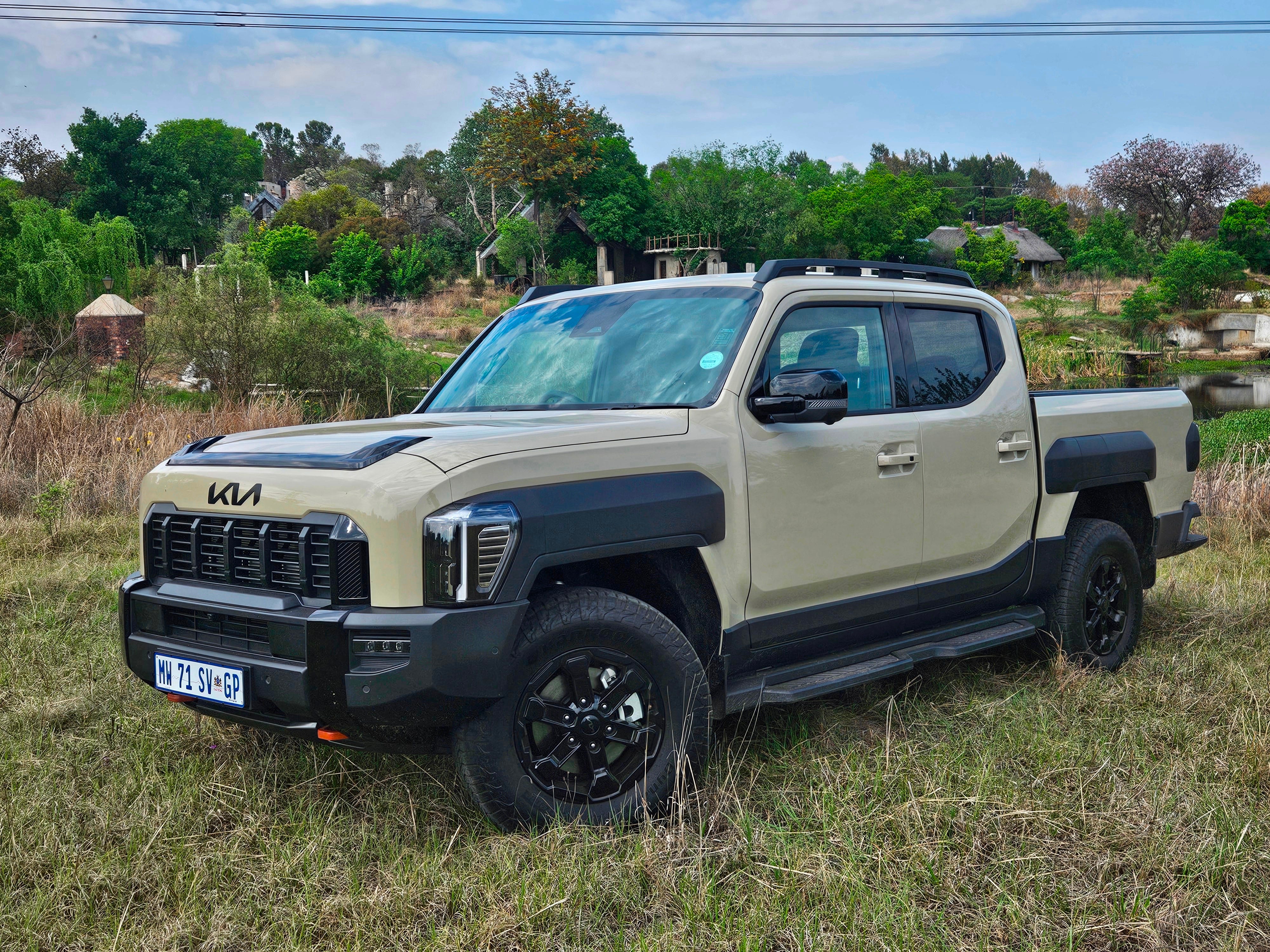
Kia’s first-ever bakkie has arrived with unique styling that evokes mixed emotions. You want to like it, but this oddly cute steed leaves you wondering whether it’s a looker. Sure, its whale-like proportions may leave some motorists uncertain, but this bakkie is about more than its looks. Its premium cabin and refined driving experience left a lasting impression.
The Tasman clearly aims to challenge the segment’s established leaders. After spending time behind the wheel, it becomes clear that the Tasman brings something refreshingly different to the bakkie segment.
A Design That Grows on You
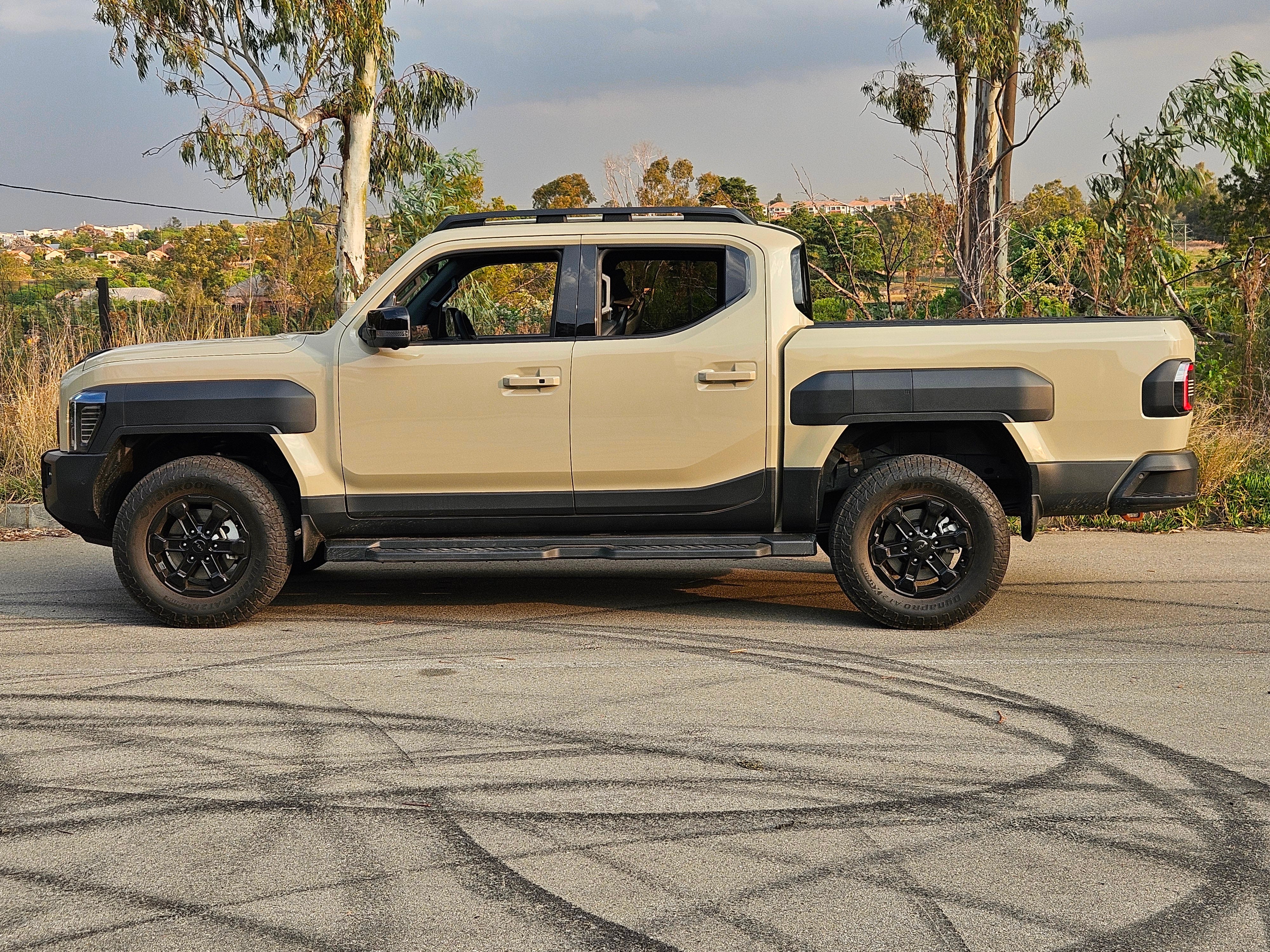
Let’s address the elephant in the room: the styling. Its unconventional design has proven divisive, but seeing it in person tells a different story. Oddly enough, the Tasman comes across as almost cute. Its broad stance, widely spaced headlights, and rounded proportions create a distinctive, friendly appearance.
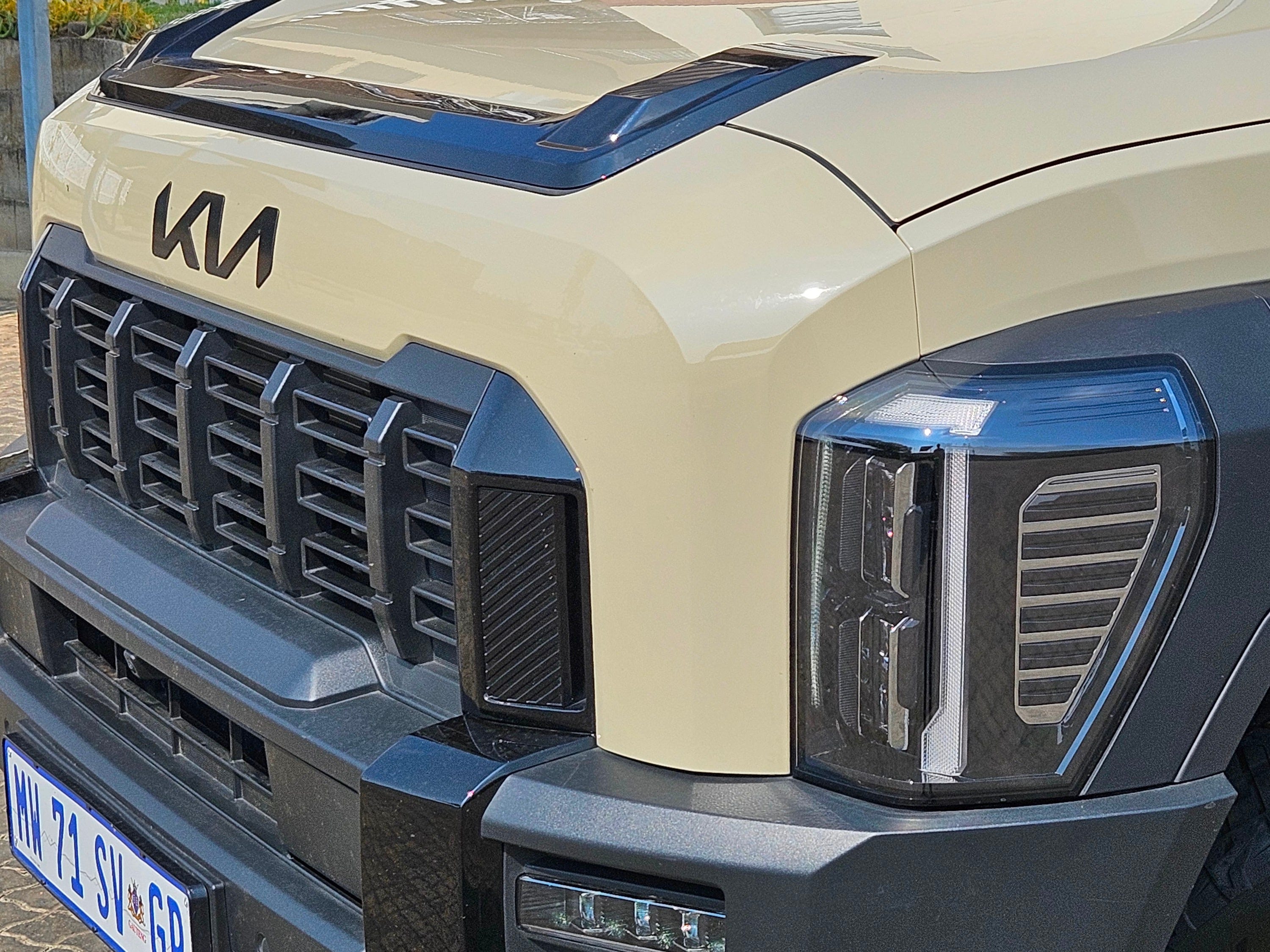
Yet beneath that approachable look is a vehicle that also projects a rugged, military-inspired character. Kia has a history of producing utilitarian vehicles, and some of that influence appears to have found its way into the Tasman’s design language.
Our test vehicle featured black alloy wheels wrapped in chunky tyres, a beige exterior finish and substantial body cladding. Together, these elements reinforced the Tasman’s adventurous personality.
It is also a sizeable bakkie. Parked alongside more familiar rivals, the Tasman’s dimensions become immediately noticeable. For context, it is approximately 90 mm longer than the Toyota Hilux.
Whether you love it or hate it will ultimately come down to personal taste. Initially, I wasn’t completely sold on the design, but after spending more time with the vehicle, it began to grow on me.
Setting a New Standard Inside
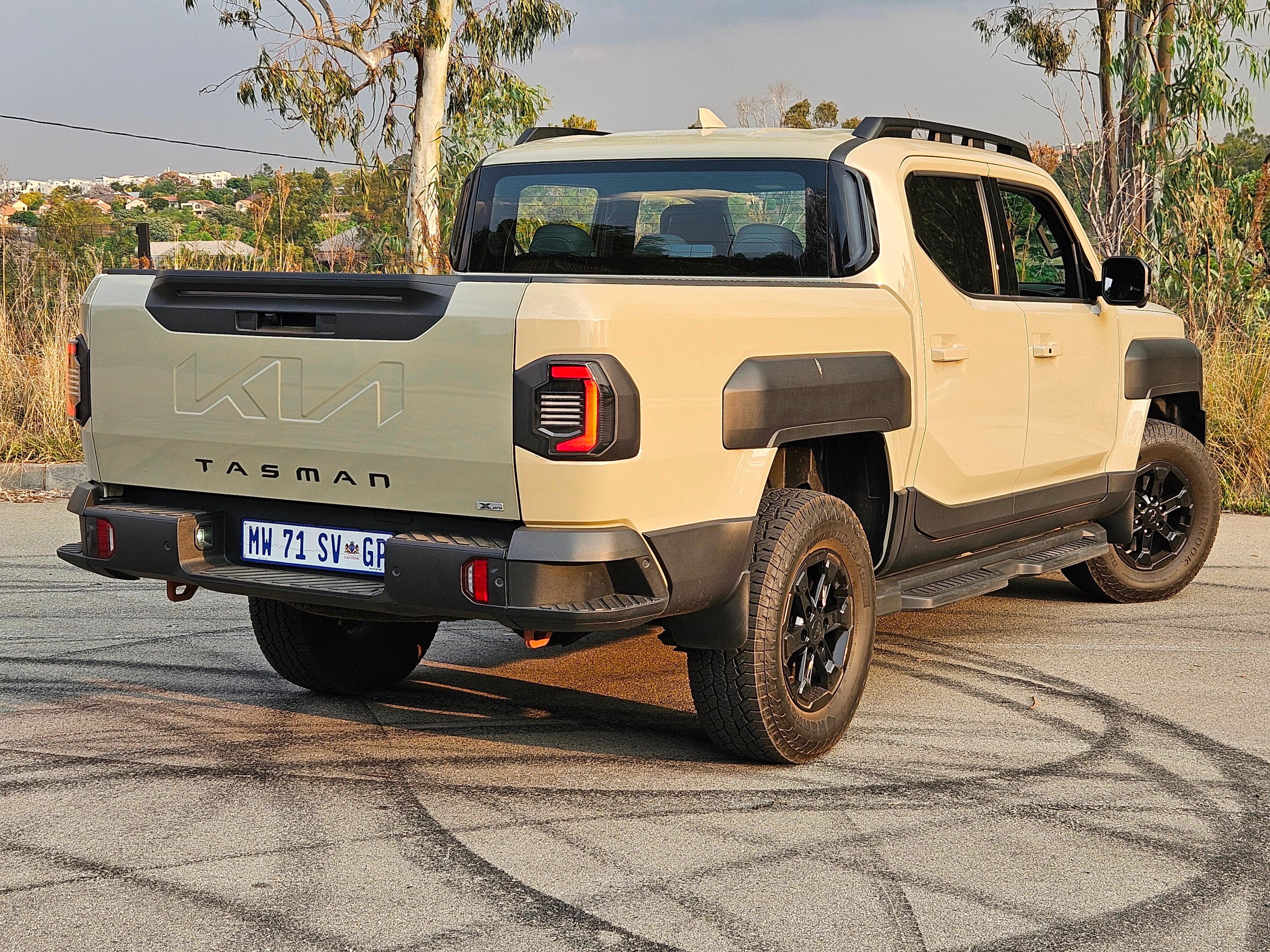
If the exterior divides opinion, the interior is where the Tasman wins people over. Frankly, it is class-leading. For years, the Ford Ranger has set the benchmark for premium bakkie interiors, but the Tasman may have just raised the bar. From the moment you climb inside, the emphasis on comfort and quality is immediately apparent.
The dashboard is dominated by dual digital screens, while the blocky steering wheel adds a modern touch. Furthermore, there are heated and ventilated front seats, along with a heated steering wheel to make those cold winter mornings a little more bearable.
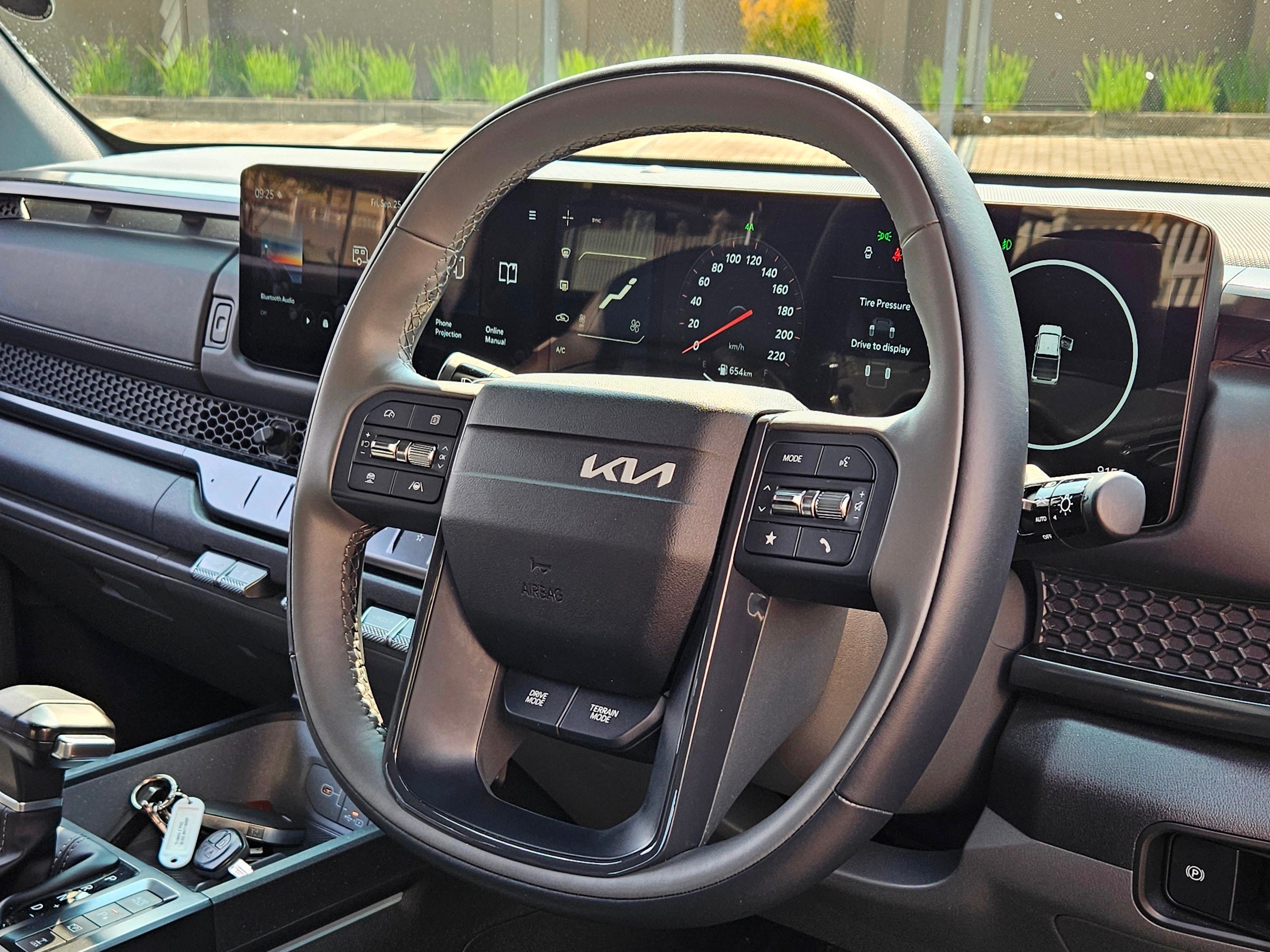
As far as comfort goes, the leatherette upholstery is plush, creating an environment that feels far more SUV than workhorse. A Harman Kardon sound system delivers crisp audio quality, while the spacious layout gives occupants plenty of room to stretch out.
The cabin feels airy. Fit and finish are commendable throughout, and the level of standard equipment is exactly what buyers expect from a modern premium bakkie. Naturally, the Tasman also comes loaded with advanced driver-assistance and safety technologies, making it a thoroughly modern offering.
Refined Diesel Performance
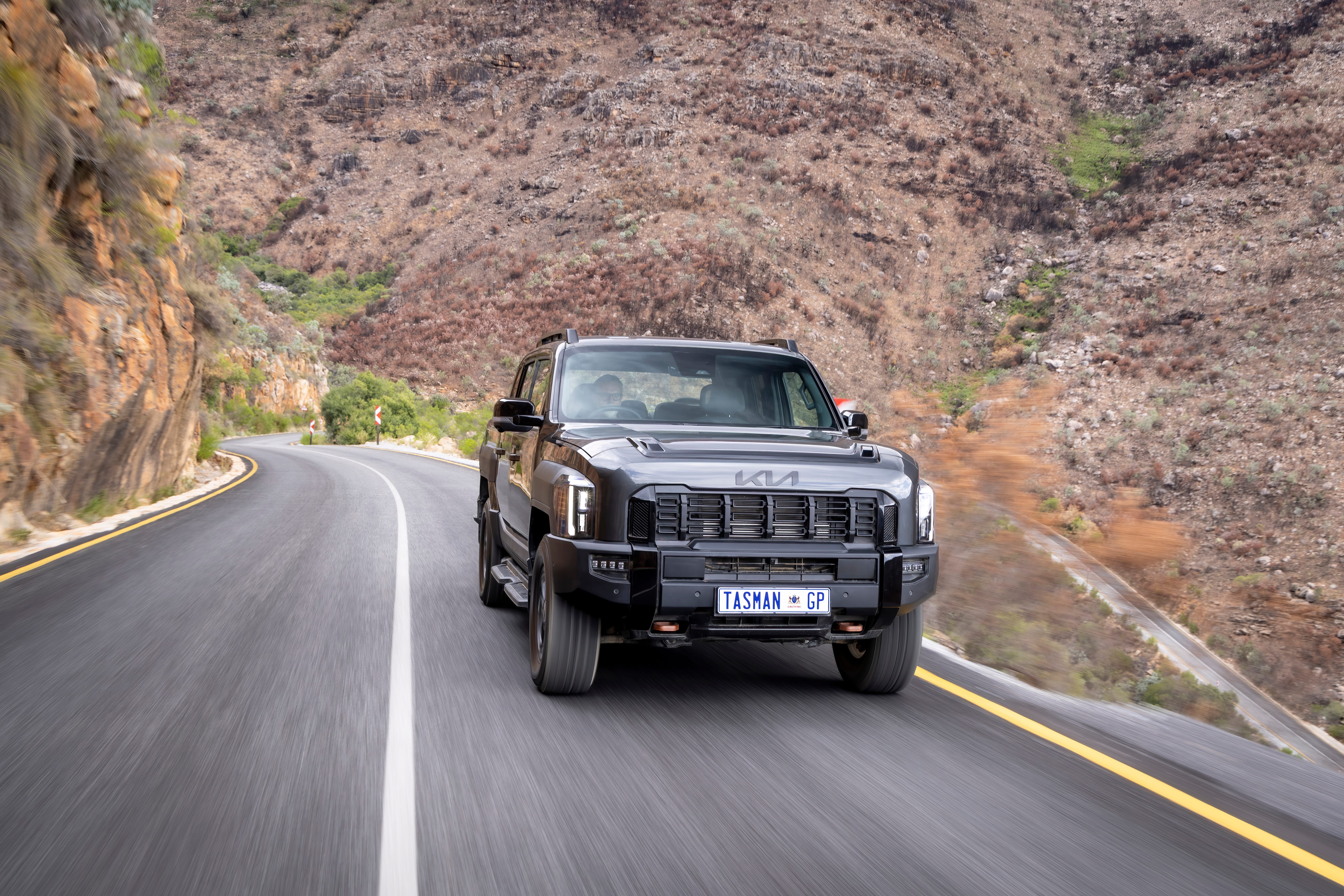
Powering the Tasman is Kia’s familiar 2.2-litre turbodiesel engine, producing 154kW and 440Nm of torque. On paper, those figures may not sound revolutionary. The engine delivers power smoothly, while the automatic gearbox responds quickly. Compared with some rivals, such as the Isuzu D-Max, which can feel a little agricultural, the Tasman’s drivetrain feels notably more refined.
That said, I still believe the Ford Ranger and Volkswagen Amarok offer a more polished driving experience. The Tasman comfortably sits just behind those segment leaders.
One of its greatest strengths is how un-bakkie-like it feels. Where some competitors can feel rough around the edges, the Tasman delivers a more polished drive.
It cruises comfortably at motorway speeds and feels settled during everyday driving. Fuel consumption during testing averaged 11.9 litres per 100km. While not class-leading, the figure is broadly in line with what many buyers would expect from a large double-cab bakkie.
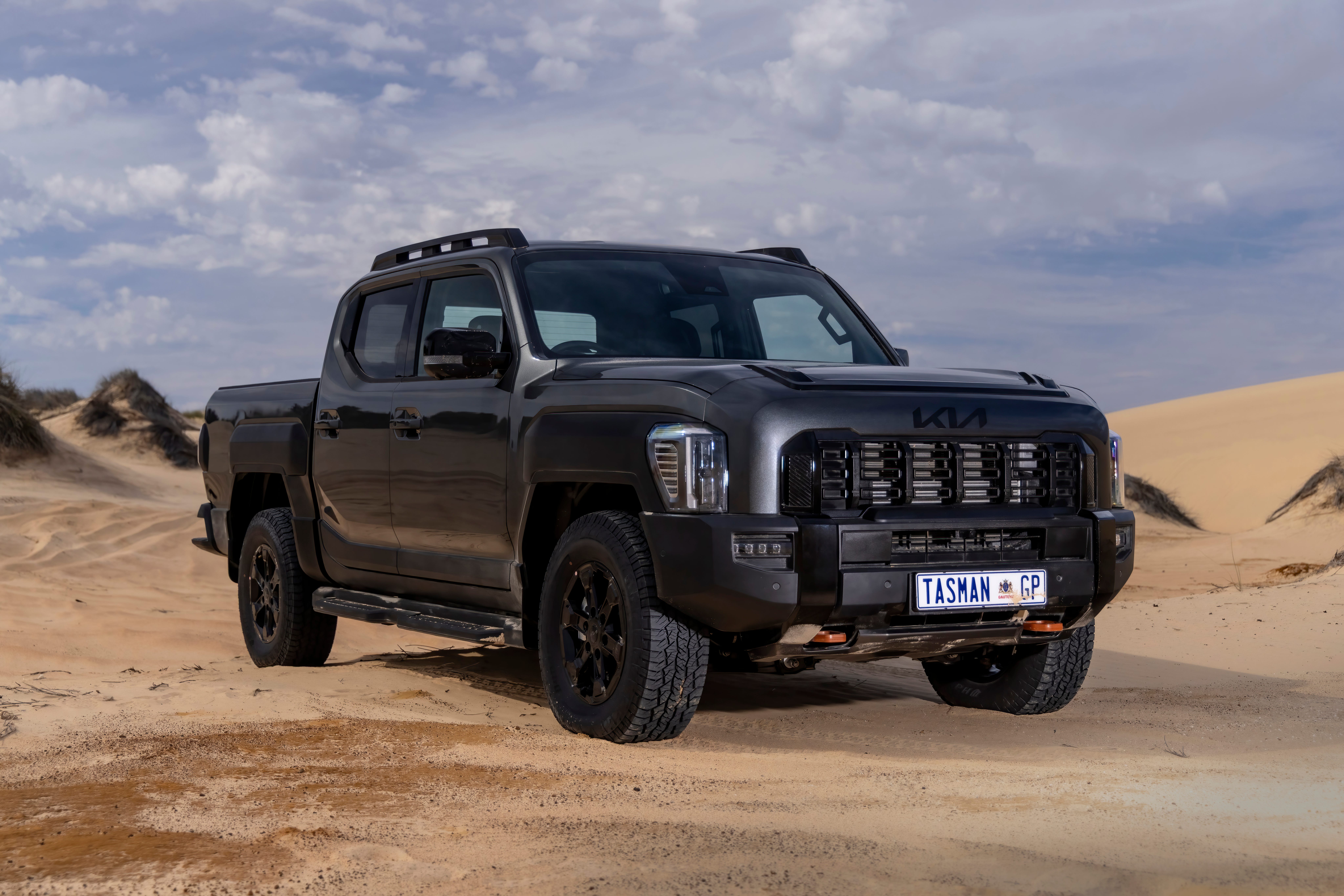
Off-road, the Tasman doesn’t break a sweat. With various terrain modes available, it feels capable when the road ends. I spent most of my time on gravel roads and light off-road trails, where the vehicle felt sturdy and confidence-inspiring. Its ladder-frame chassis is on the firmer side, but it never becomes uncomfortable. The torque delivery is ample, and overall, the Tasman feels like a very capable all-rounder.
Can It Challenge the Big Names?
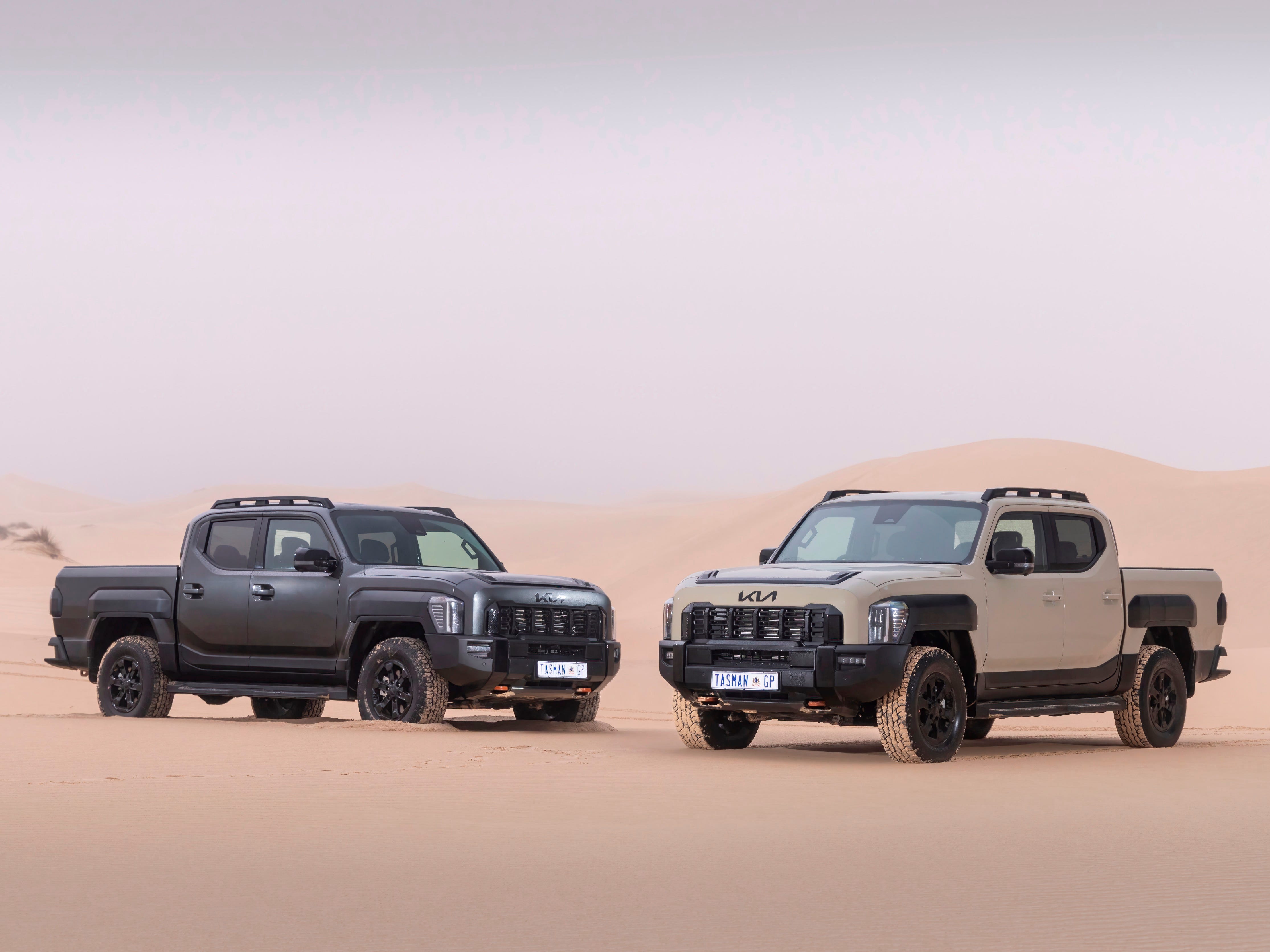
Kia makes no secret of its intentions. The Tasman enters a market dominated by segment legends such as the Toyota Hilux, Ford Ranger and Isuzu D-Max. These are vehicles with loyal customer bases and decades of reputation behind them.
Yet the Tasman brings enough strengths to make buyers take notice. Pricing starts at around R670,000, while the flagship X-Pro derivative tested here comes in at approximately R1 million. That places it squarely in the heart of the premium bakkie market.
Verdict
The Kia Tasman may not appeal to everyone from a styling perspective, but that’s also part of its charm. Worth considering? Without a doubt.
Its familiar 2.2-litre turbodiesel engine, shared with other Kia and Hyundai products globally, has built a solid reputation for durability and proven performance.
Combined with its premium flair and distinctive character, the Tasman presents itself as a credible alternative to the established players in the segment.
For buyers looking for something different, the Kia Tasman deserves a place on the shortlist.
©HigherEducationMedia