


Few badges carry the weight of the Land Cruiser name. For decades, Toyota’s legendary off-roader has built a reputation for tackling almost anything while earning a loyal following across South Africa and beyond. That's why the new Toyota Land Cruiser FJ is worth a look.
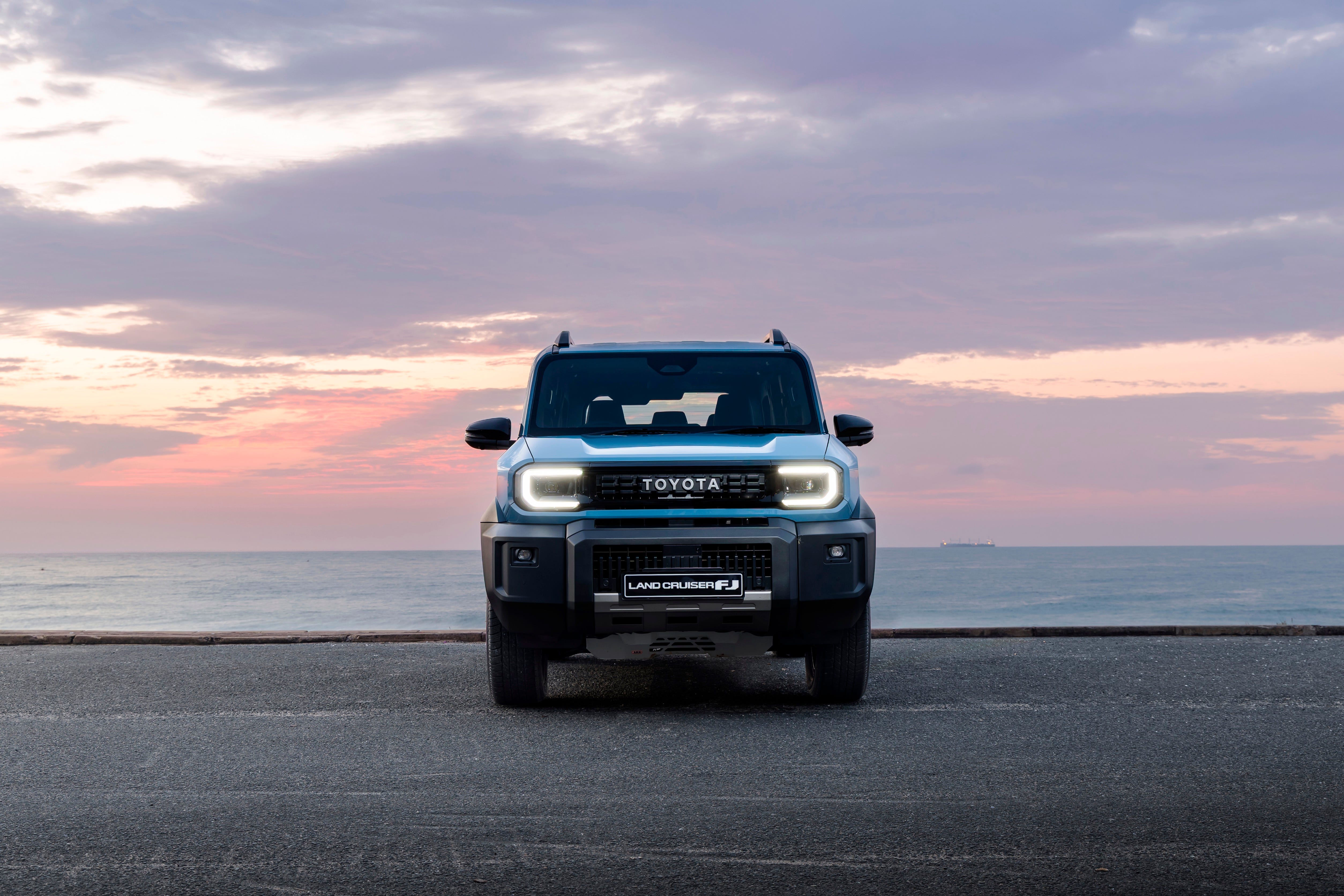
Positioned as a smaller, more accessible member of the Land Cruiser family, the FJ blends retro-inspired styling with modern technology and off-road capability. After spending time behind the wheel, I came away appreciating what Toyota has created, but also feeling that it’s not quite the complete package just yet.
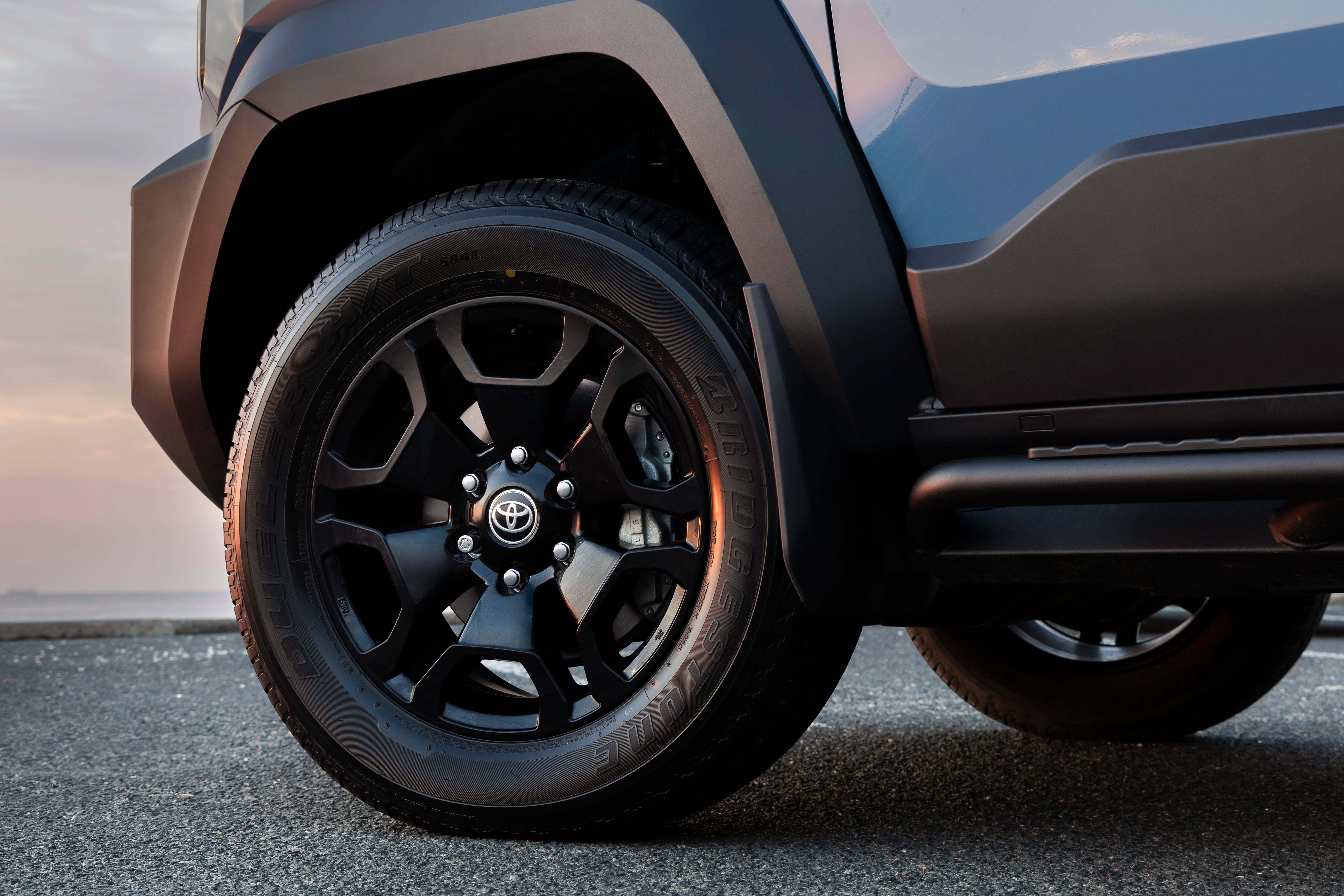
The first thing that strikes you is the styling. Our top-spec VX test unit, priced at R769,000, certainly had presence. Body cladding appears almost everywhere you look, along with chunky off-road tyres and rugged proportions that immediately communicate its adventurous intentions.
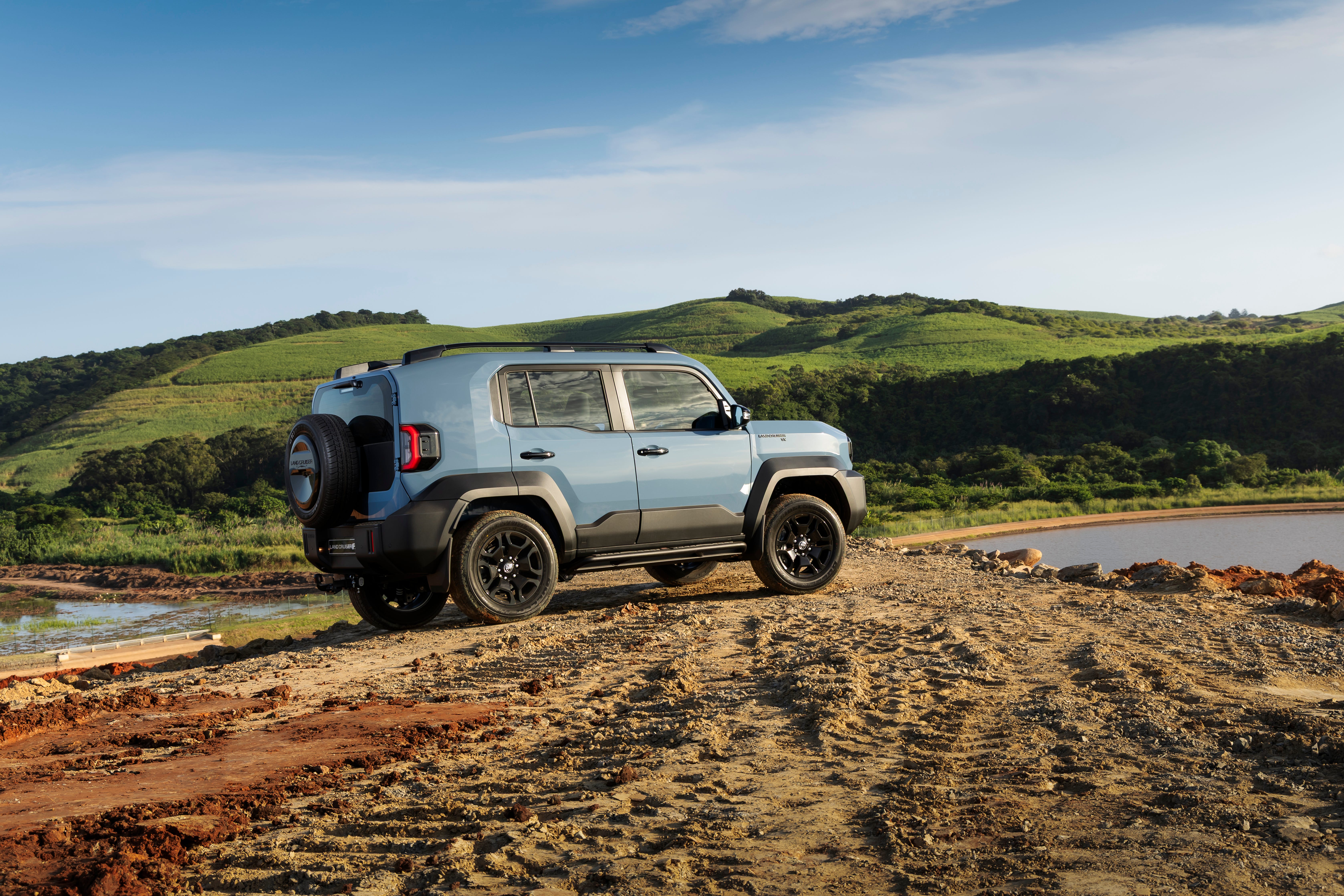
From certain angles, especially around the rear, the dimensions can appear a little awkward. However, that’s part of the vehicle’s charm. What Toyota has done well is tap into the nostalgia surrounding the original FJ Cruiser. Let’s get one thing out of the way, though: this is not a direct successor to that iconic model. Instead, it borrows elements from the past while carving out its own identity.
Step inside, and the theme continues. Toyota focused on creating a functional, easy-to-use environment. It offers plenty of physical controls and useful storage compartments. It’s modern enough to feel current but simple to operate without requiring a tutorial.
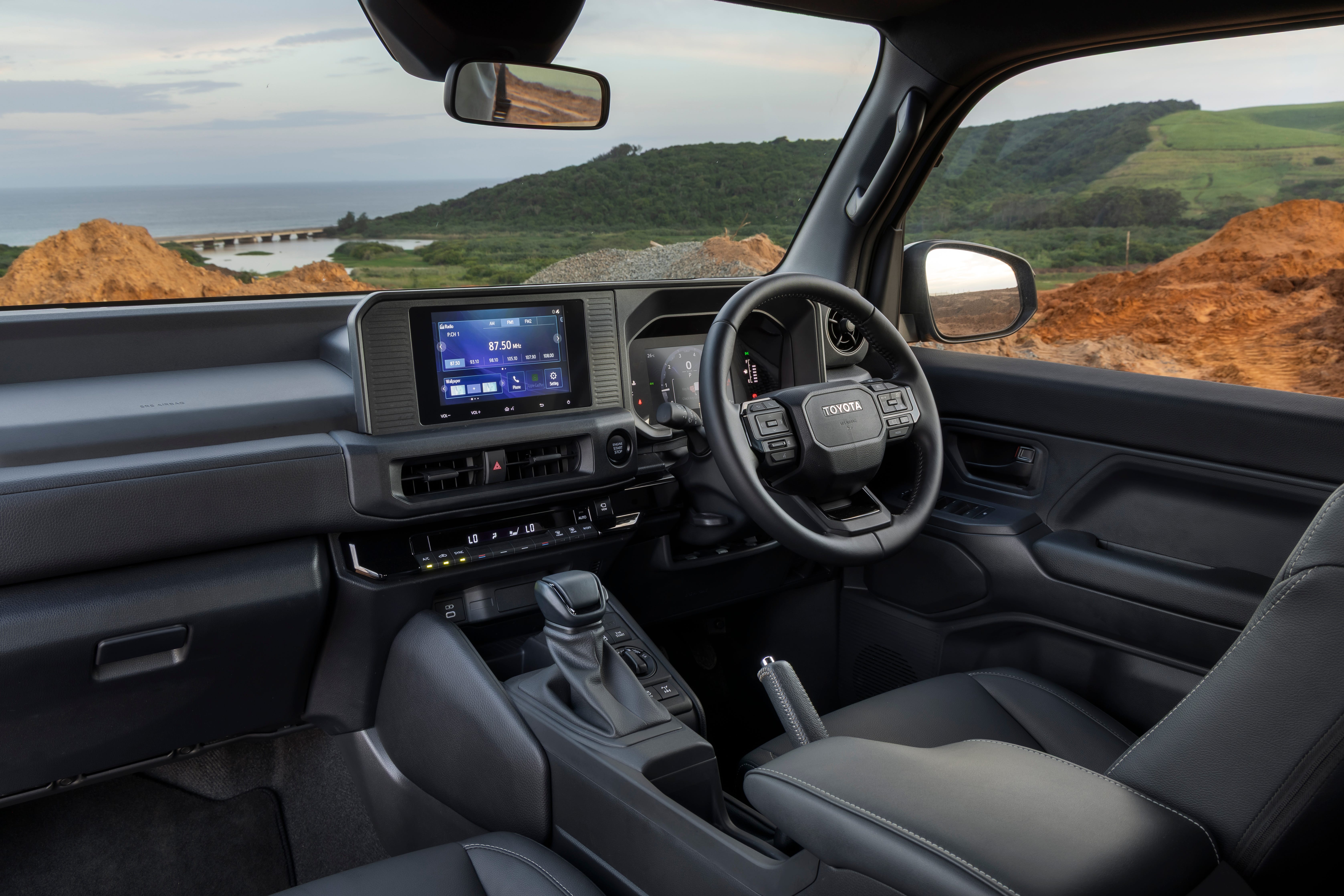
I will admit, the equipment levels are dim and lacking polish. The parking camera system feels disappointingly dated. Image quality falls short of expectations, especially considering the asking price. Toyota’s setup feels overdue for an upgrade. Driver aids included: adaptive cruise control, lane-keeping assist and seven airbags.
Unfortunately, another criticism of the FJ emerges once you hit the road. Let’s start with the positives. Venture away from the tar and onto rough terrain, and the FJ feels at home. It tackles dirt roads, gravel tracks and uneven surfaces with the confidence you’d expect from something wearing a Land Cruiser badge. The problem isn’t capability.
The problem is power. Under the bonnet sits Toyota’s familiar 2.7-litre naturally aspirated petrol engine, producing 122kW and 245 Nm of torque. While the powerplant has earned a reputation for reliability, it feels somewhat underwhelming in a vehicle of this size and weight.
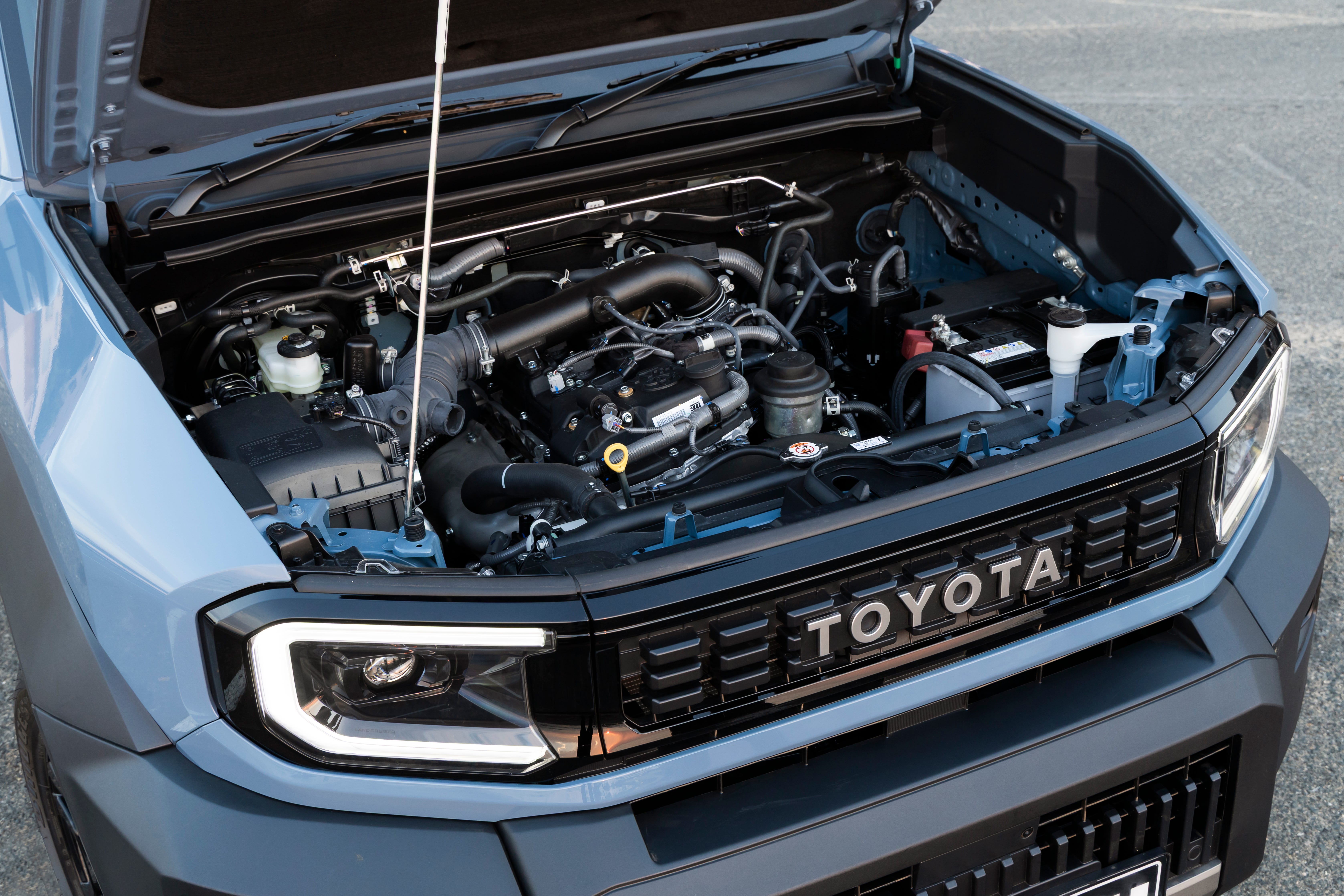
When you demand more performance, during overtaking manoeuvres or highway driving, the engine starts to feel strained. You find yourself wishing for additional torque and stronger mid-range performance.
Fuel consumption doesn’t help the cause either. During my time with the vehicle, I averaged around 15 L/100 km.
This is why I believe Toyota has a relatively simple solution. Give it the legendary 2GD-FTV diesel engine. That powerplant has already proven itself across various Toyota products and would likely transform the FJ’s driving characteristics. Greater torque, improved drivability and better real-world efficiency would address many of my concerns.
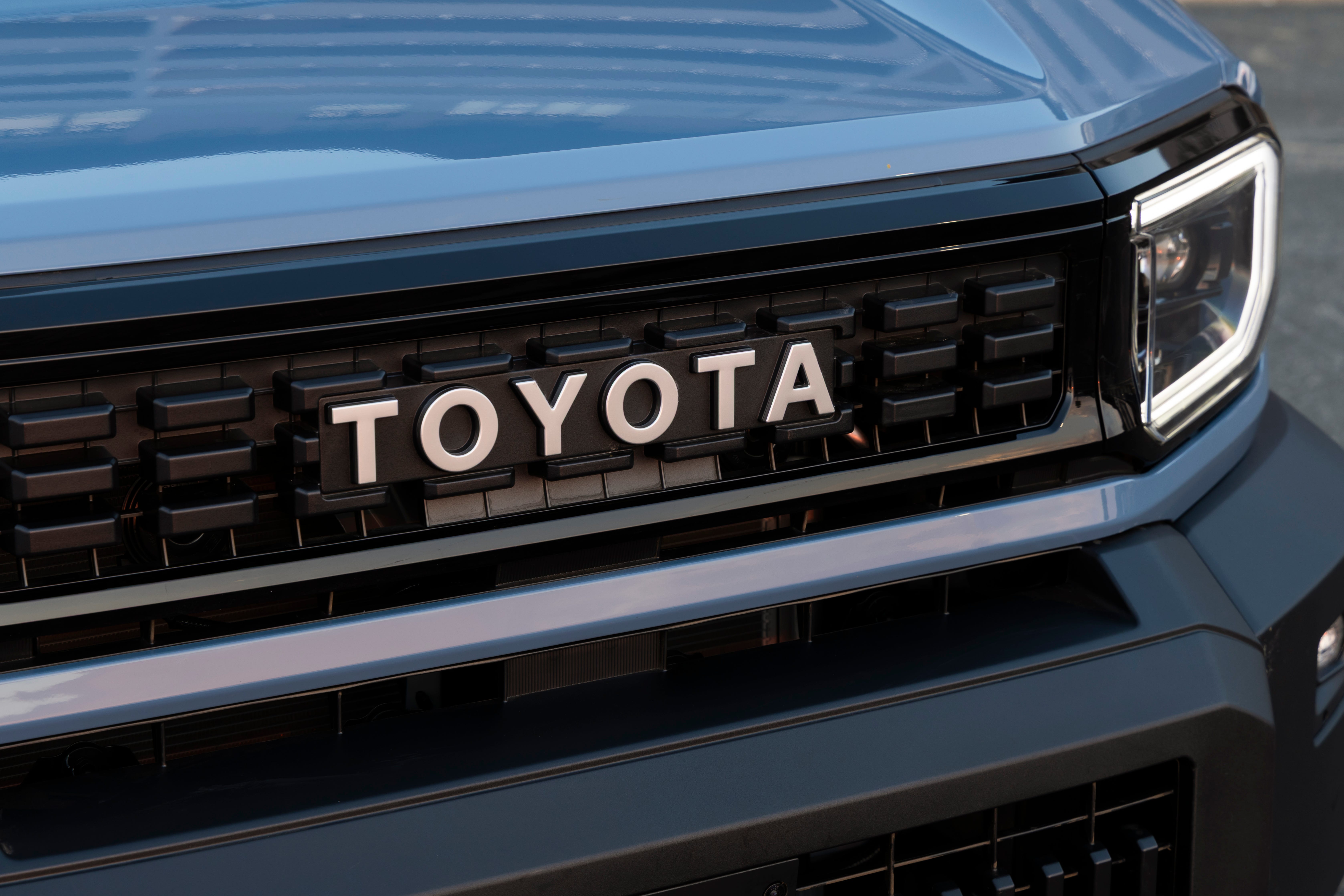
Against rivals such as the Tank 300, Isuzu MU-X and Ford Everest, the Land Cruiser FJ needs to keep up.
But to play devil's advocate, it may not lead the class in performance or luxury, but it offers something many competitors struggle to replicate: Toyota’s reputation for long-term reliability and durability.
For many buyers, that’s worth its weight in gold. A diesel variant could be the missing piece of the puzzle. Until then, the FJ remains a likeable off-roader, even if it doesn’t completely satisfy when you put your foot down and misses the mark in tech.