


Much of the debate about improving education in South Africa focuses on the classroom - literacy, numeracy, teacher development, and infrastructure. While these are vital, learning begins long before a child enters school.
The earliest years shape language, confidence, relationships, emotional wellbeing, and future learning. The first 1 000 days are especially critical, with rapid brain development continuing through the first five years.
This raises a key question, says Kerri-Lee Schneider, Discipline Leader at STADIO: “How do we prepare children, not just for school, but for learning?”
Early Childhood Development as the Foundation
Schneider argues that the answer lies with those caring for and educating children in their formative years. Early Childhood Development (ECD) is increasingly recognised at policy level.
In April 2022, responsibility for ECD shifted from the Department of Social Development to the Department of Basic Education — a move that underscores its role in the education journey.
Early Childhood Care and Education (ECCE) deliberately combines care and education. Young children need safe environments, nutrition, and emotional support, but also opportunities to explore, communicate, and make sense of the world.
“We need to move away from the idea that working with very young children is simply babysitting,” Schneider says. “These are the years when we build minds and lay foundations for lifelong learning.”
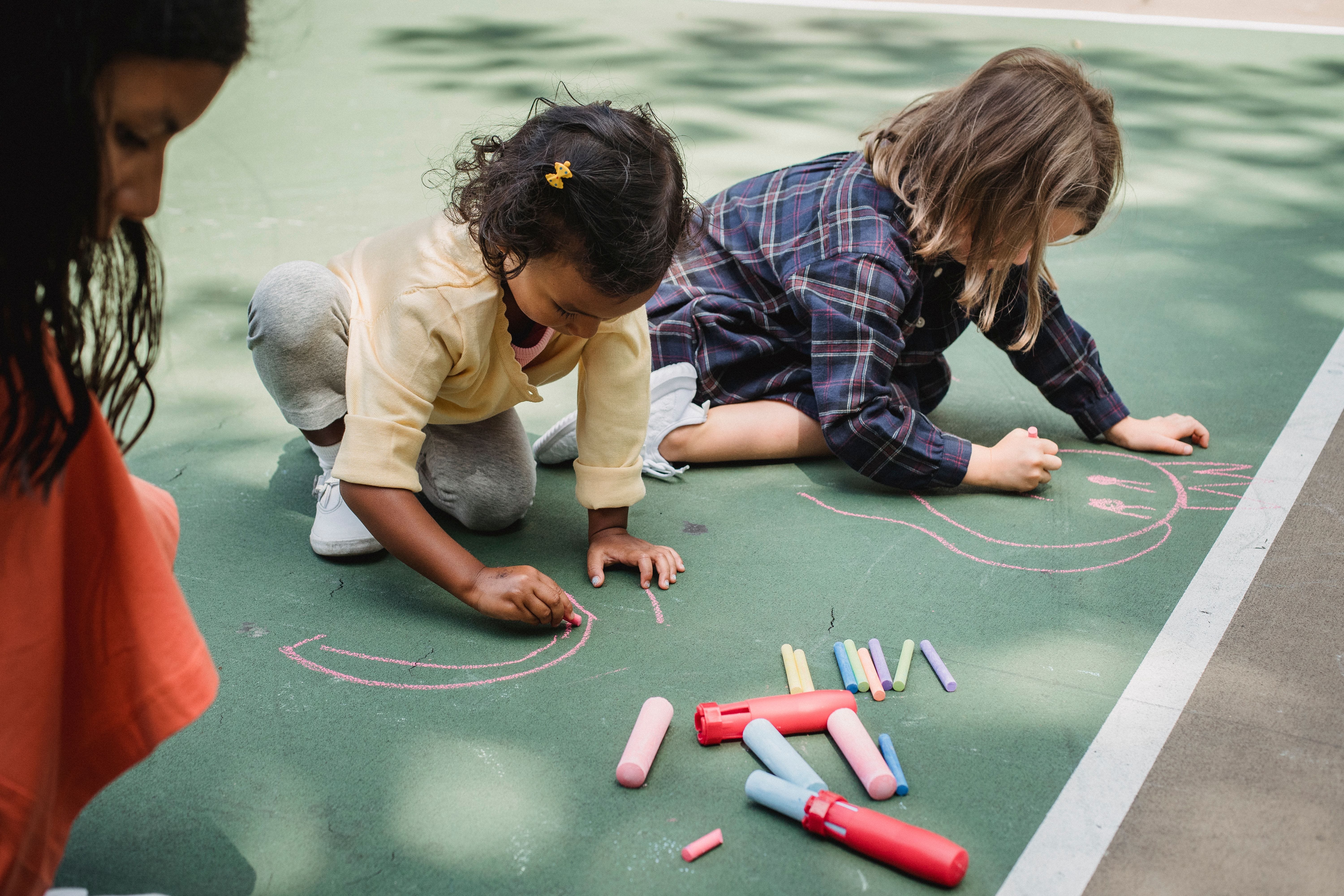
Play is central to this process. Far from being a break from learning, it is one of the primary ways children learn. “Play is the business of childhood,” Schneider adds.
Professionalising the Sector
Many South Africans working with young children have gained knowledge through experience, short courses, or workplace training, but lack formal qualifications. Professionalising ECCE requires pathways that build on this experience rather than exclude it.
Starting only at degree level risks shutting out practitioners with years of practical expertise who do not meet entry requirements for an NQF Level 7 qualification. To bridge this gap, STADIO will launch a Higher Certificate in Early Childhood Care and Education in Semester 1, 2027.
This one-year, NQF Level 5 qualification will be offered via distance learning, making higher education accessible to existing ECD practitioners, childminders, caregivers, and school leavers interested in the field.
“Professionalisation shouldn’t mean disregarding the experience people already have,” Schneider notes. “We must recognise that experience and create opportunities to deepen knowledge and skills.”
Bringing Knowledge and Practice Together
The qualification takes a holistic view of child development from birth, covering:
Health and wellbeing
Nutrition and care
Growth and development
Language and literacy
Social and emotional development
Intentional early learning
Students will complete six weeks of practical training in registered early childhood settings: two weeks of observation, followed by a four-week block facilitating early learning experiences.
The programme aligns with South African frameworks such as the National Curriculum Framework for Children from Birth to Four and the National Early Learning and Development Standards. Partnerships with international institutions — including Queen Maud University College (Norway), Pacific Oaks College (USA), and Brock University (Canada) — provide exposure to global best practice.
Importantly, the Higher Certificate is an entry point, not an end point. It can serve as a foundation for further studies, subject to admission requirements.
A Long-Term Investment
Schneider emphasises that investing in those who support children’s earliest learning should be seen not as a cost, but as a long-term investment benefiting individuals, families, communities, and future generations.
If South Africa wants to improve outcomes in Grade 1 and beyond, that investment must begin before the school gate - with the people who help children learn, grow, and thrive in their earliest years.
©Higher Education Media Services.