


A powerful personal account has highlighted how growing awareness, community support, and alternative media platforms are reshaping the conversation around autism in South Africa - particularly among fathers.
This came out at a recent Online Masterclasses event spearheaded by SAWID and Active Autism & Neuro-Diversity Allyship Foundation led by Mmabatho Makena and Kgomotso Moalusi. Other guest speakers were Anna Moshatama, Ayanda Tetyana, Thando Gumede, Lanwani Hlaisi and Mbuyiselo Botha.
The event’s theme was Autism awareness, parenting challenges, alternative media and father’s involvement.
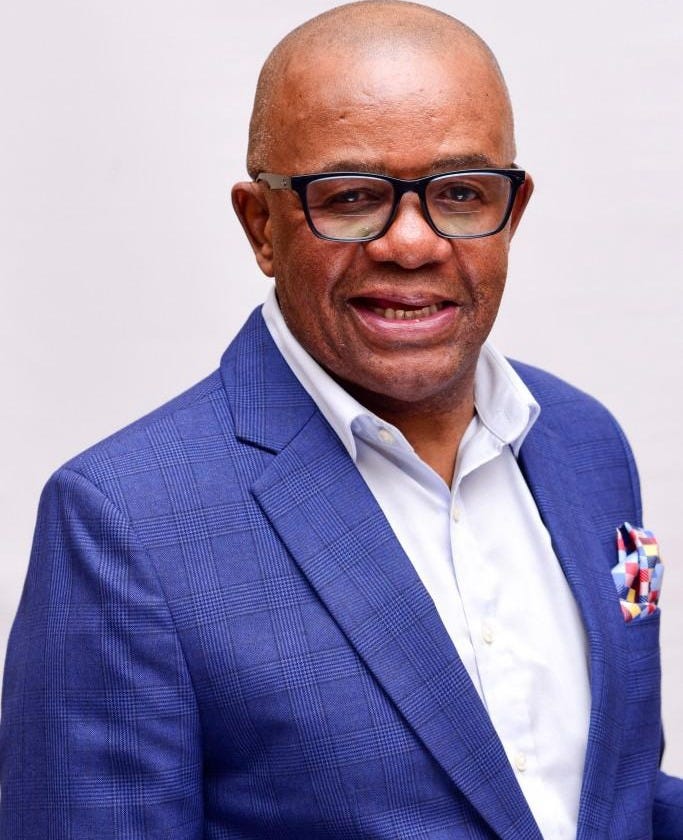
Botha, a gender-activist and Global Coalition for WHO Action on Gun Violence, reflected on his journey from having little understanding of autism to becoming an active advocate, crediting Moalusi, a close colleague for guiding him through the early stages of awareness.
He described how simple activities, such as planning a family outing, revealed the complexities of raising autistic children - particularly the need for structure and preparation often overlooked by those unfamiliar with the condition.
Botha was referencing his interactions with Kgomotso Moalusi a mother to twin autistic boys and founder of Neuro-Diversity Allyslip Foundation whom he had asked to lunch but soon realised that it was not that simple for her and for parents of children living with neurodiversity conditions such as autism.
“What seemed ordinary to many of us required careful coordination,” Botha said, recalling early experiences with Moalusi. “That’s when I began to understand that this is not just parenting - it’s a journey that demands awareness, patience, and support.”
Botha also detailed how his involvement in alternative media, particularly through a podcast dedicated to social issues, opened space for deeper conversations about autism.
April is autism awareness month and a month-long focus on the topic brought together parents, experts, and advocates, shedding light on both the challenges and breakthroughs within the community, he noted.
A key highlight was the inclusion of fathers’ voices - often absent in such discussions. Through conversations with a men’s support group for fathers of autistic children, the podcast revealed the unique struggles men face, including societal expectations, cultural misconceptions, and emotional isolation.
Botha told the audience about one father, Paseka, who shared how he confronted community beliefs attributing autism to spiritual causes, choosing instead to seek medical support for his child. His advocacy has since extended to leadership roles in school governance and community outreach, helping other families navigate similar challenges.
The discussions also exposed the emotional toll on parents, including cases where lack of support led to tragic outcomes. This underscored the urgent need for stronger support systems and open dialogue, particularly for men who may feel discouraged from seeking help.
Beyond community efforts, academic institutions are also stepping in. The University of Johannesburg was highlighted for its pioneering work through a neurodiversity centre supporting autistic students. The initiative, reportedly the first of its kind in Africa, is gaining recognition as a benchmark for inclusive education across the continent.
In a notable act of leadership, the university’s Vice Chancellor Professor Letlhokwa Mpedi has personally funded the education of several students with autism, covering tuition and accommodation costs. This commitment reflects a growing movement toward institutional responsibility and inclusion.
Botha emphasised that platforms such as podcasts and social media are playing a crucial role in amplifying these stories and connecting communities. “These are spaces where real conversations can happen—where people are not constrained and can share lived experiences,” he said.
He concluded by urging continued advocacy and collaboration, stressing that awareness must translate into action. “There is nothing more powerful than witnessing children who are supported, confident, and affirmed,” he said. “It reminds us why this work matters.”
Calls Grow for Greater Support and Inclusion for Families Living with Autism
The discussion has also shed light on the ongoing challenges faced by families raising children diagnosed with autism, with participants calling for stronger support systems, improved healthcare access, and a collective effort to combat stigma.
Central to the conversation was the experience of a young woman from Soweto, who described the difficulties she encountered in securing an official diagnosis for her child.
She highlighted gaps in the healthcare system, noting that delays and limited resources often leave families without the guidance they urgently need, especially those families without medical aid or access to private health care.
Beyond medical barriers, stigma emerged as a significant concern. Participants noted misconceptions surrounding autism frequently lead to isolation, not only for children but for entire families. In many cases, a lack of awareness within communities contributes to judgment and exclusion, making it harder for parents to seek help openly.
The discussion also pointed to challenges within the home environment. It was noted that autistic children - many of whom demonstrate exceptional abilities - can sometimes be vulnerable to harm, including physical abuse from older or stronger siblings. Speakers stressed the importance of education and awareness within families to ensure safer, more supportive living conditions.
They called on communities, educators, and policymakers to stand alongside affected families, pushing for better healthcare services, inclusive education, and broader societal understanding.
A recurring theme was the need to build strong networks of support. By creating safe spaces and fostering collaboration among families, professionals, and community members, meaningful change can be achieved, said Mmabatho Makena.
The conversation concluded with a unified message: tackling stigma and improving the lives of autistic children requires collective action. Through advocacy, education, and empathy, communities can move closer to a more inclusive and supportive society.
©Higher Education Media Services.