


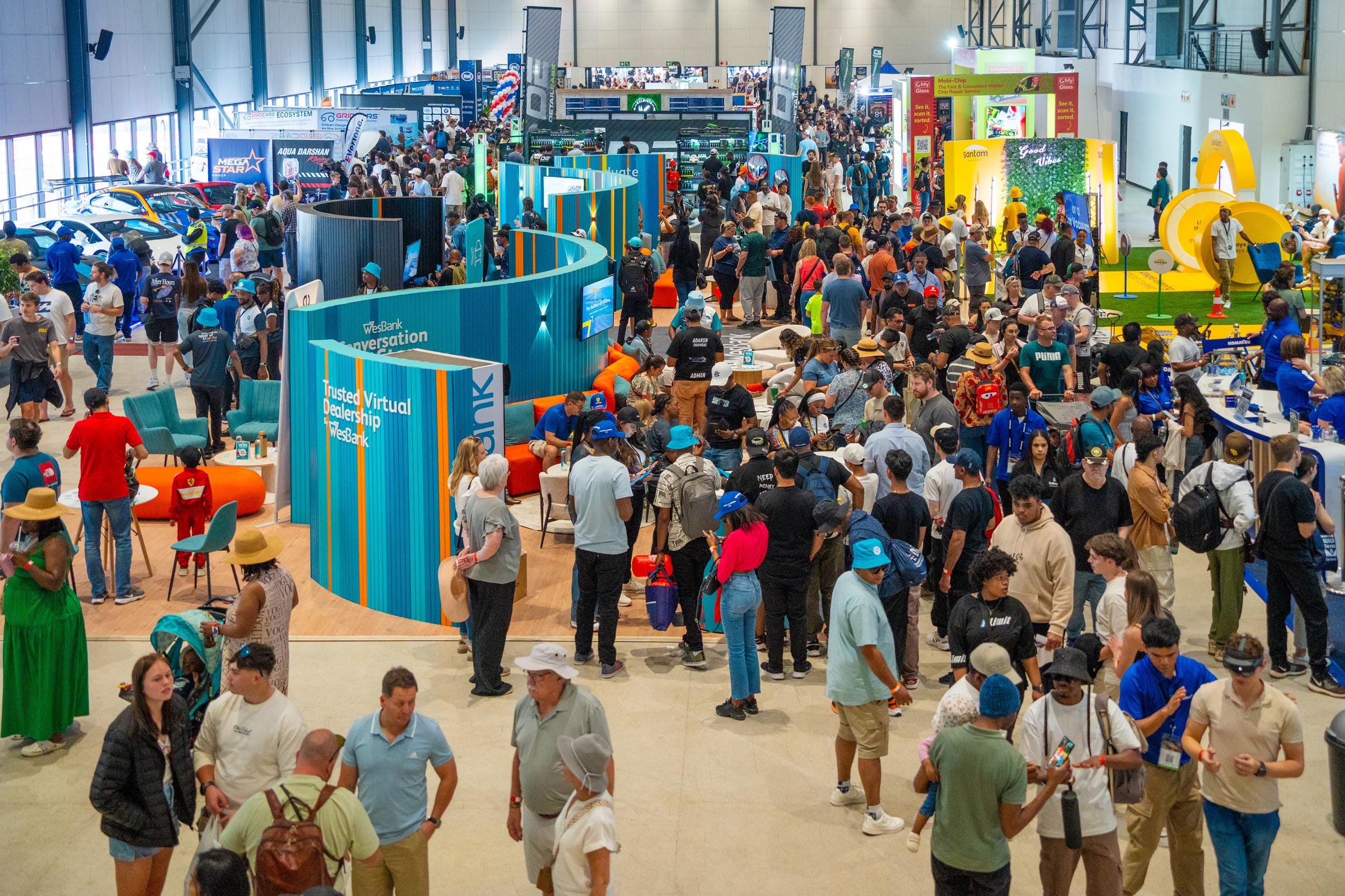
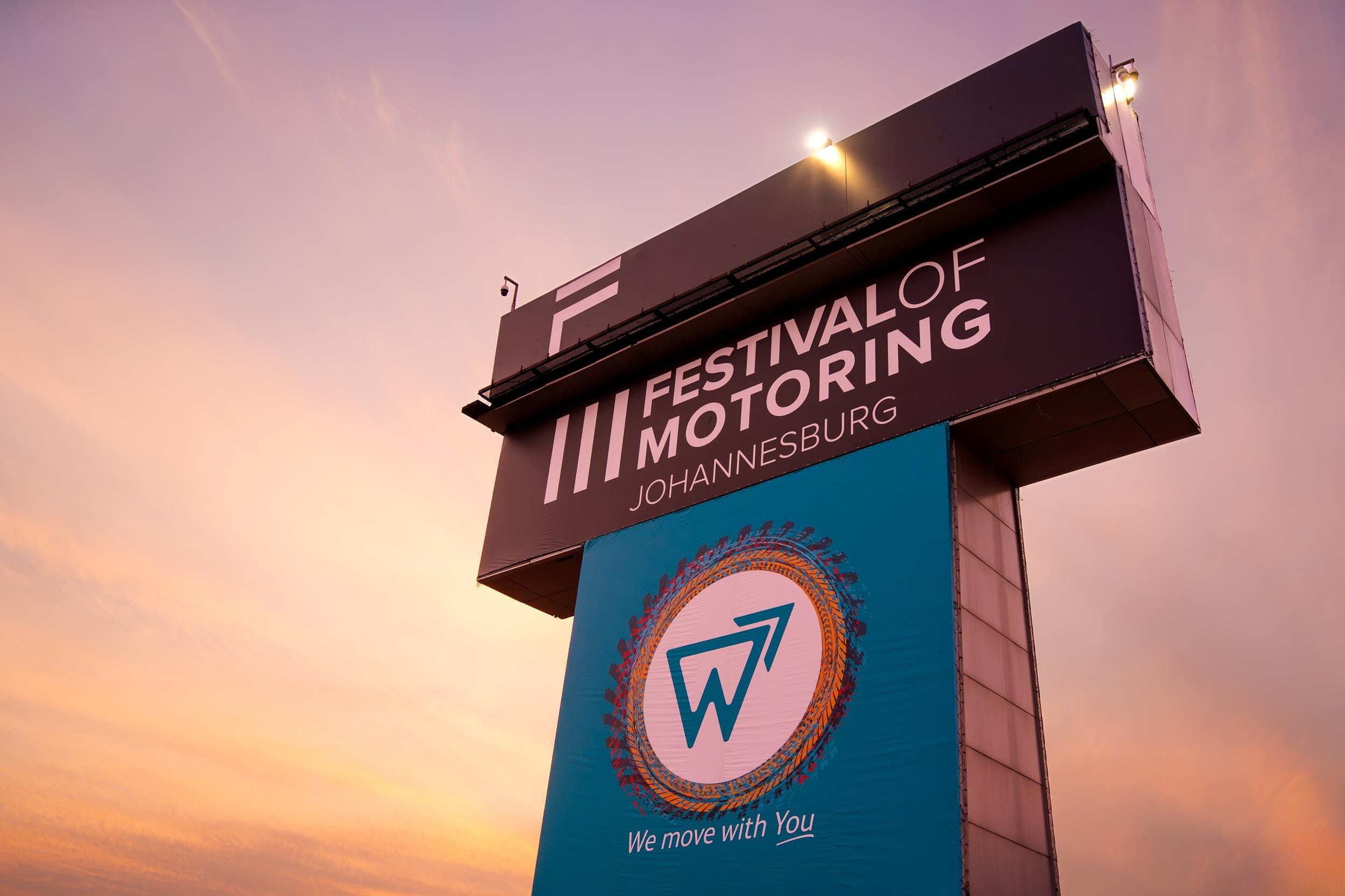
The 2026 Festival of Motoring at Kyalami Grand Prix Circuit highlighted a growing reality in South Africa’s automotive sector: Chinese manufacturers are no longer competing solely on price.
From electric vehicles and hybrids to range-extender technology, premium SUVs and high-performance bakkies, Chinese brands arrived at this year’s show with one message: they intend to compete across every major segment of the market.
While established manufacturers including Toyota, Volkswagen, Ford and Suzuki continue to dominate sales charts, the Festival of Motoring suggests that the industry’s centre of innovation is shifting east.
Chinese brands expand their ambitions.
Brands such as Changan, Chery, Geely, Dongfeng, Omoda, Jaecoo, GWM, iCaur, LDV, JMC and BAIC unveiled a broad range of new products aimed at South African consumers.
Unlike previous market entries that typically focused on affordable SUVs, exhibitors showcased fully electric vehicles (EVs), hybrid models, range-extender electric vehicles (REEVs), premium SUVs and utility vehicles.
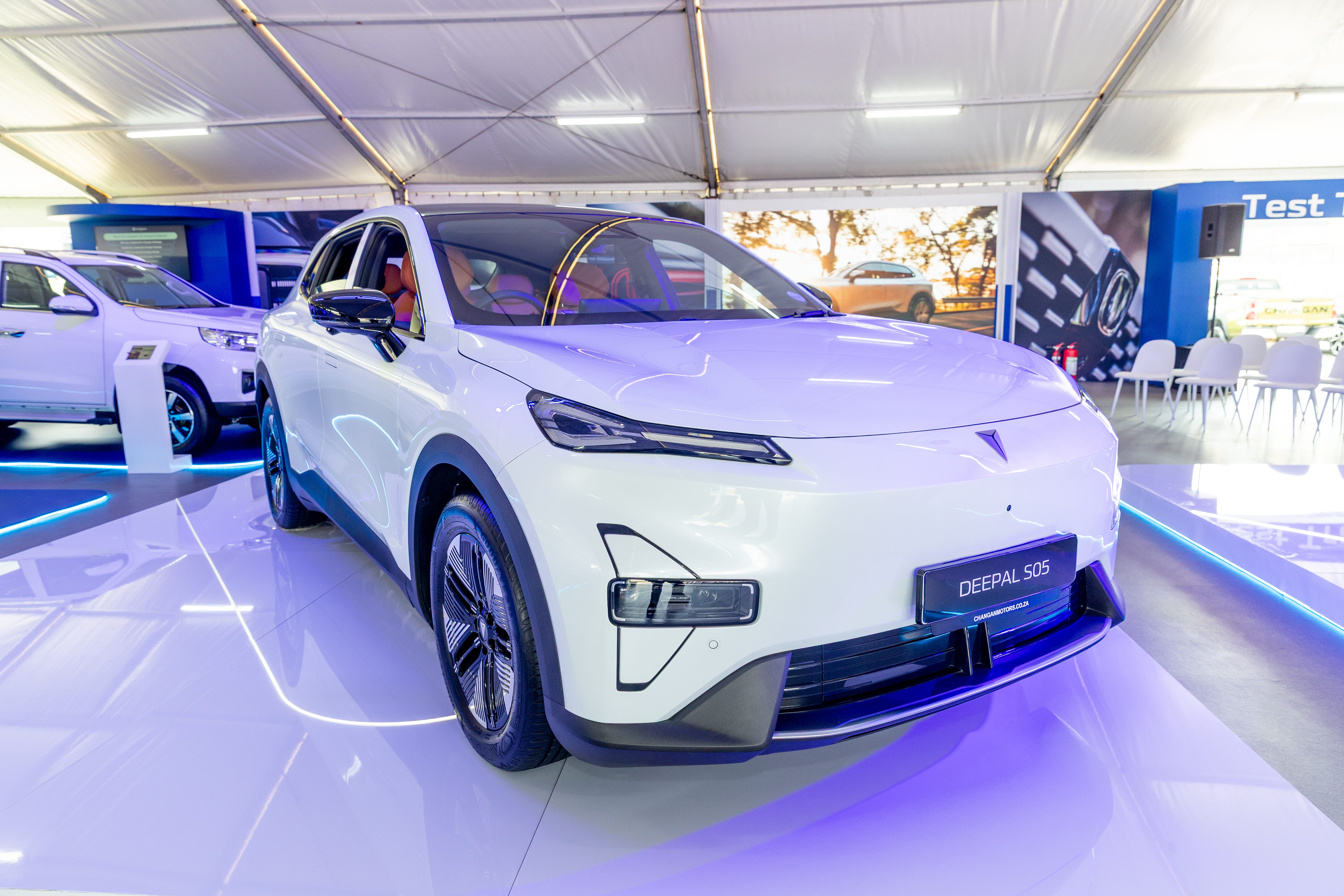
Among the standout models was the Changan Deepal S05 REEV, which combines a 1.5-litre petrol generator with a 27kWh battery pack. Changan claims a total driving range exceeding 1,000km, including up to 200km of electric-only driving.
For South Africa, where public charging infrastructure remains limited, range-extender technology may offer a practical transition between conventional petrol vehicles and fully electric transport. The S05 is expected to launch locally in November.
Electrification takes centre stage
One of the clearest themes across the festival was the variety of approaches manufacturers are taking towards electrification. Rather than pushing consumers exclusively towards battery-electric vehicles, manufacturers are increasingly offering multiple options.
Dongfeng’s Forthing Friday will be available as both a fully electric vehicle and a range-extender model with a claimed driving range of up to 1,300km.
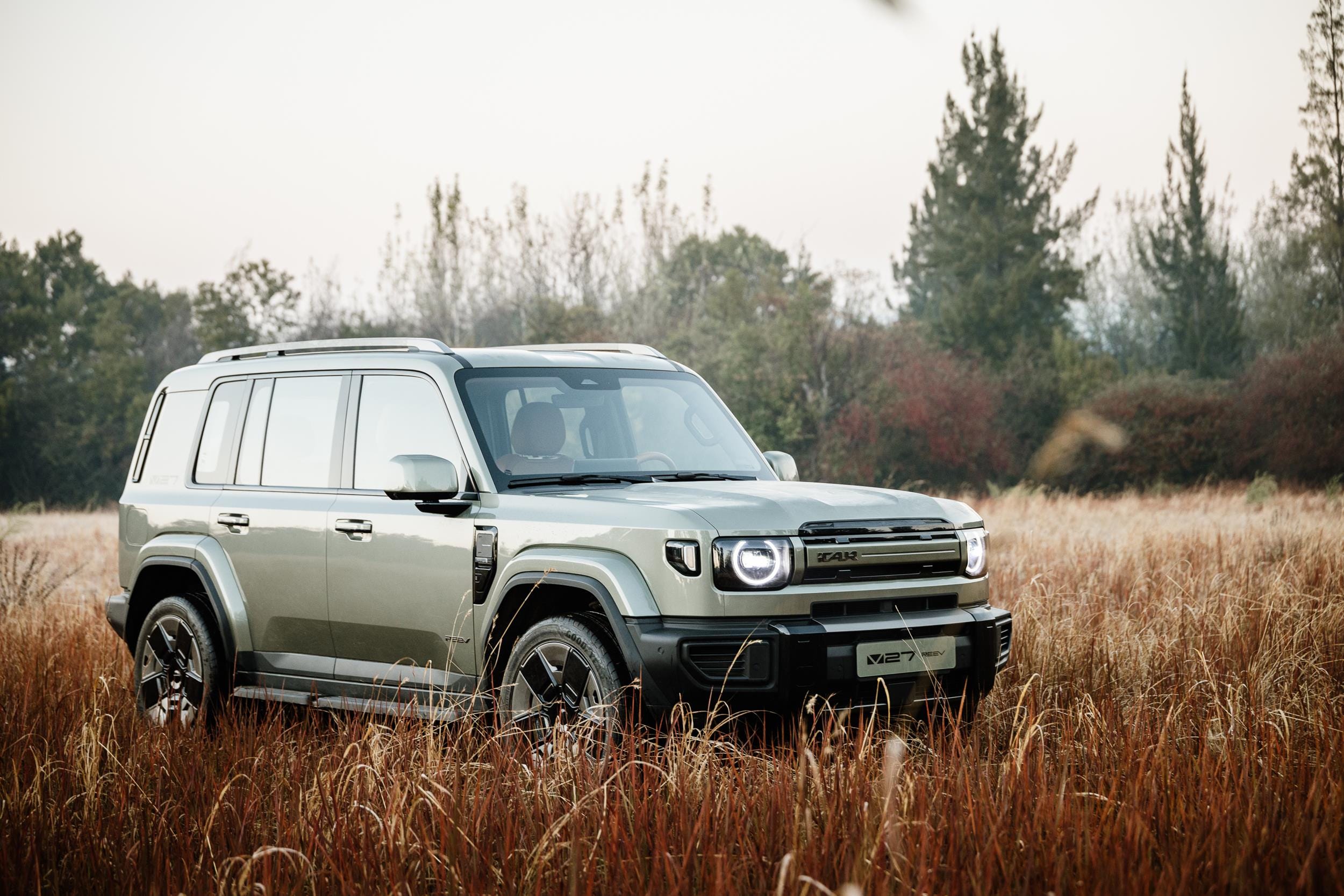
Similarly, the iCaur V27 combines a turbocharged 1.5-litre petrol engine, battery system and dual electric motors. The company claims combined outputs of 339kW, electric-only driving of up to 150km and total range exceeding 1,000km.
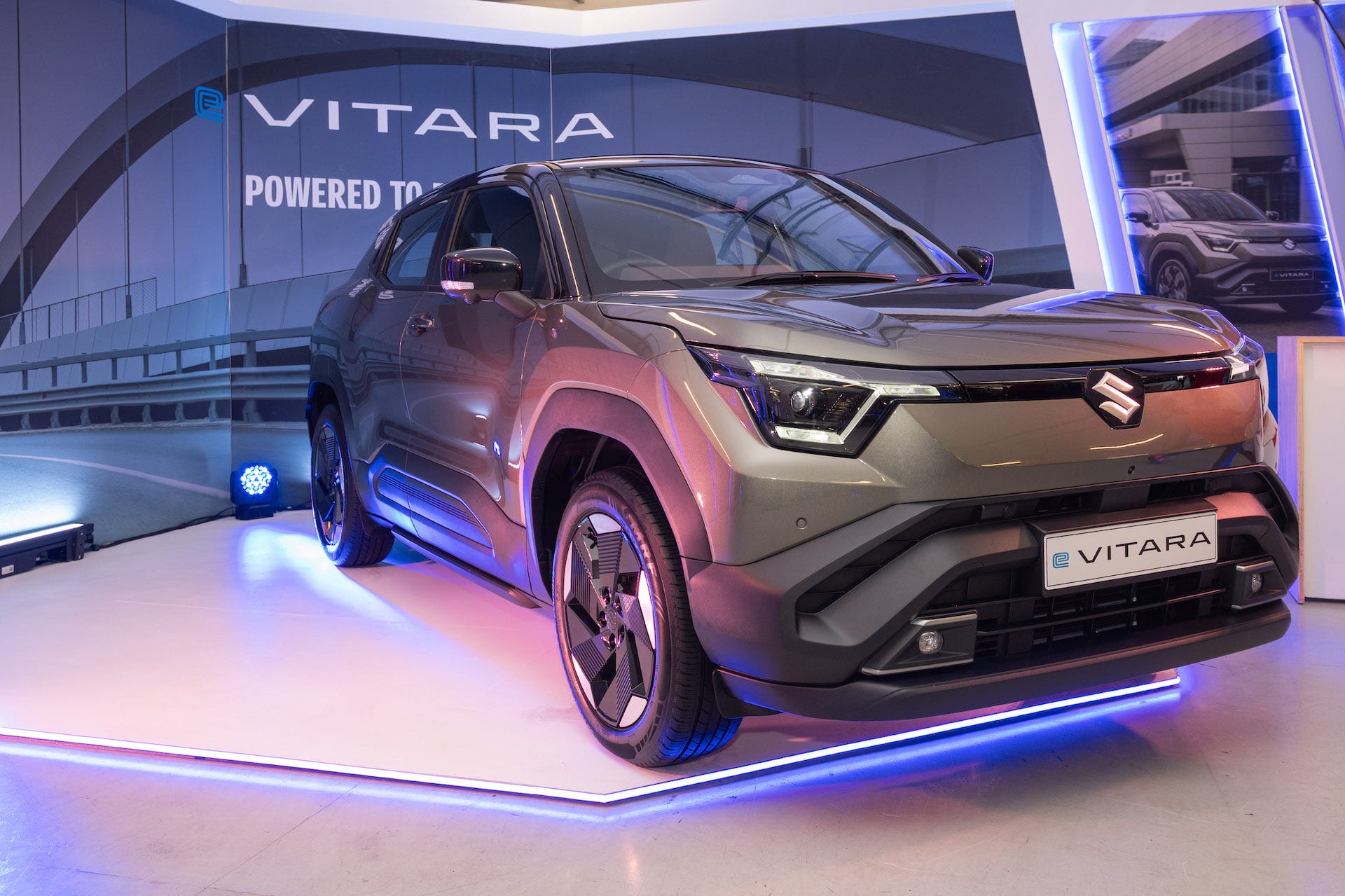
Meanwhile, Suzuki used the festival to showcase its first fully electric model, the e-Vitara, signalling that even established manufacturers are embracing the global shift towards electrification.
Chery targets mainstream market dominance
Among the Chinese manufacturers, Chery’s display stood out for both its range and ambition.
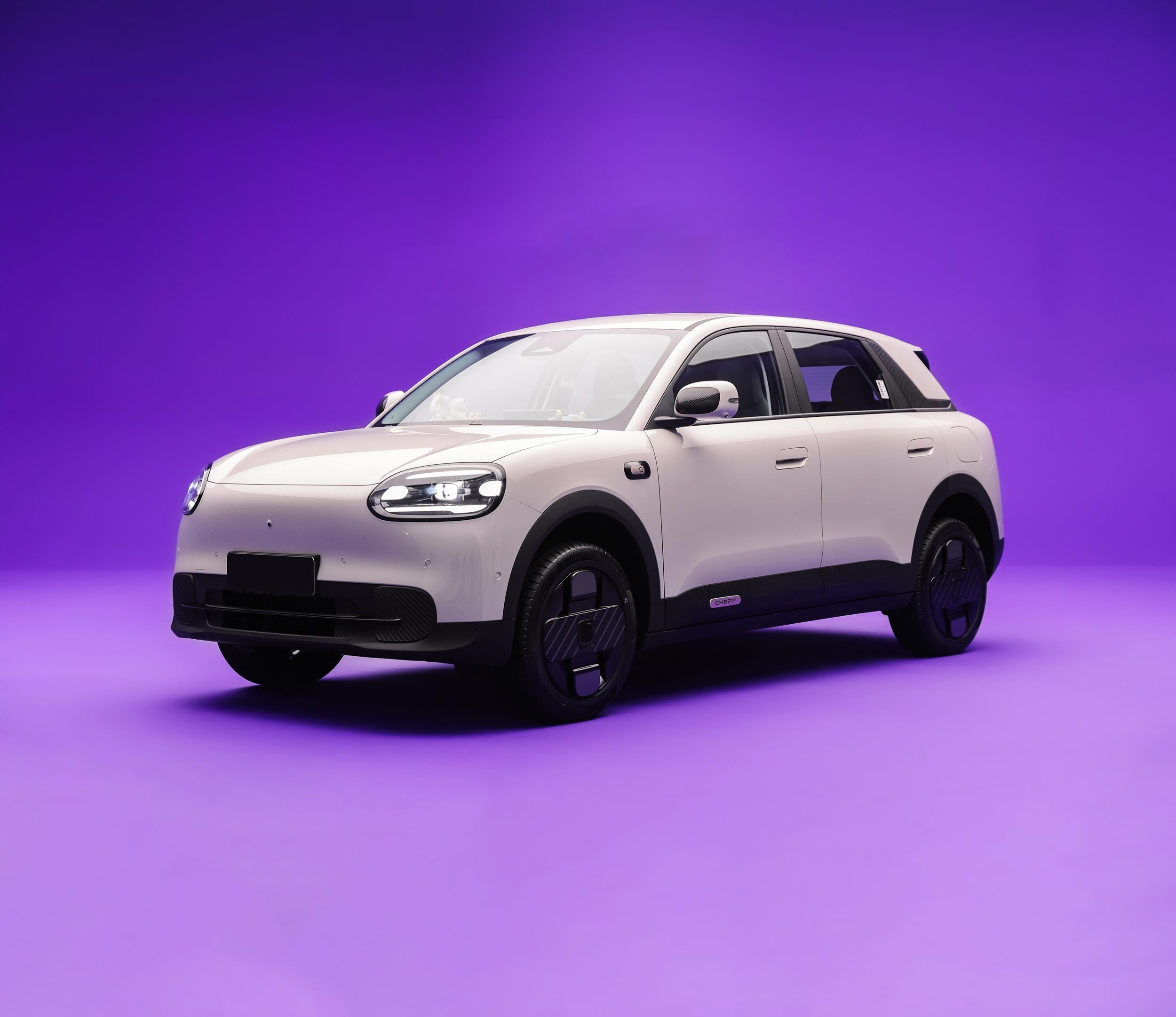
The company introduced the compact electric Chery Q, which offers a claimed driving range of up to 400km and is expected to start from R349,900, potentially making EV ownership more accessible to South African consumers.
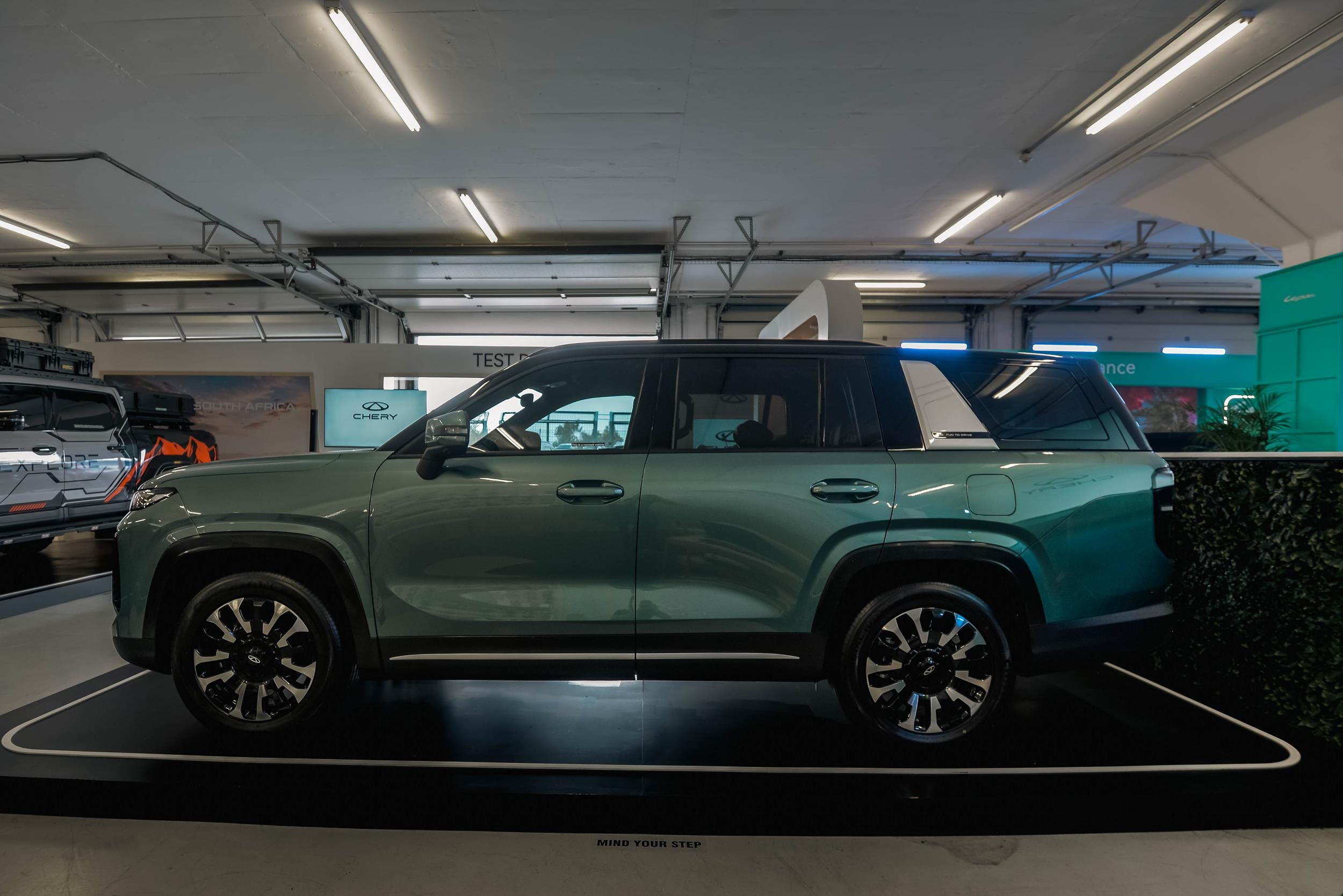
The brand also showcased the Tiggo V, a seven-seater SUV featuring a third-row seating arrangement that can be converted into a cargo area.
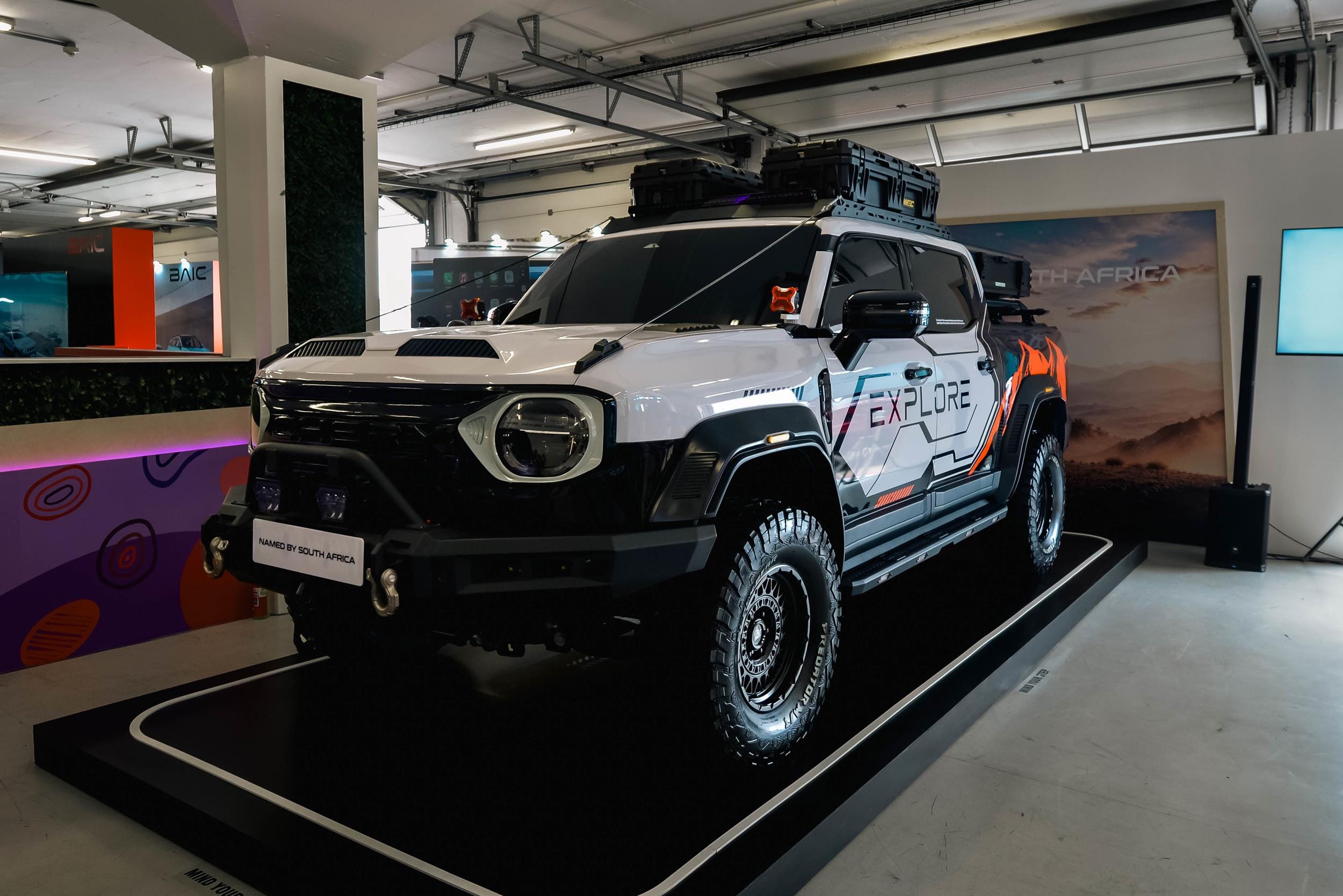
Perhaps the most significant unveiling, however, was the KP31 hybrid bakkie. Powered by a combination of a 2.5-litre turbodiesel engine and electric assistance, the KP31 is claimed to produce 350kW and 800Nm while offering up to 100km of electric-only driving and a towing capacity of 3,500kg. The model puts Chery in direct competition with established bakkie leaders, including Toyota, Ford, Isuzu and Volkswagen.
The battle for South Africa’s bakkie market
Chinese manufacturers are increasingly targeting one of South Africa’s most lucrative vehicle segments.
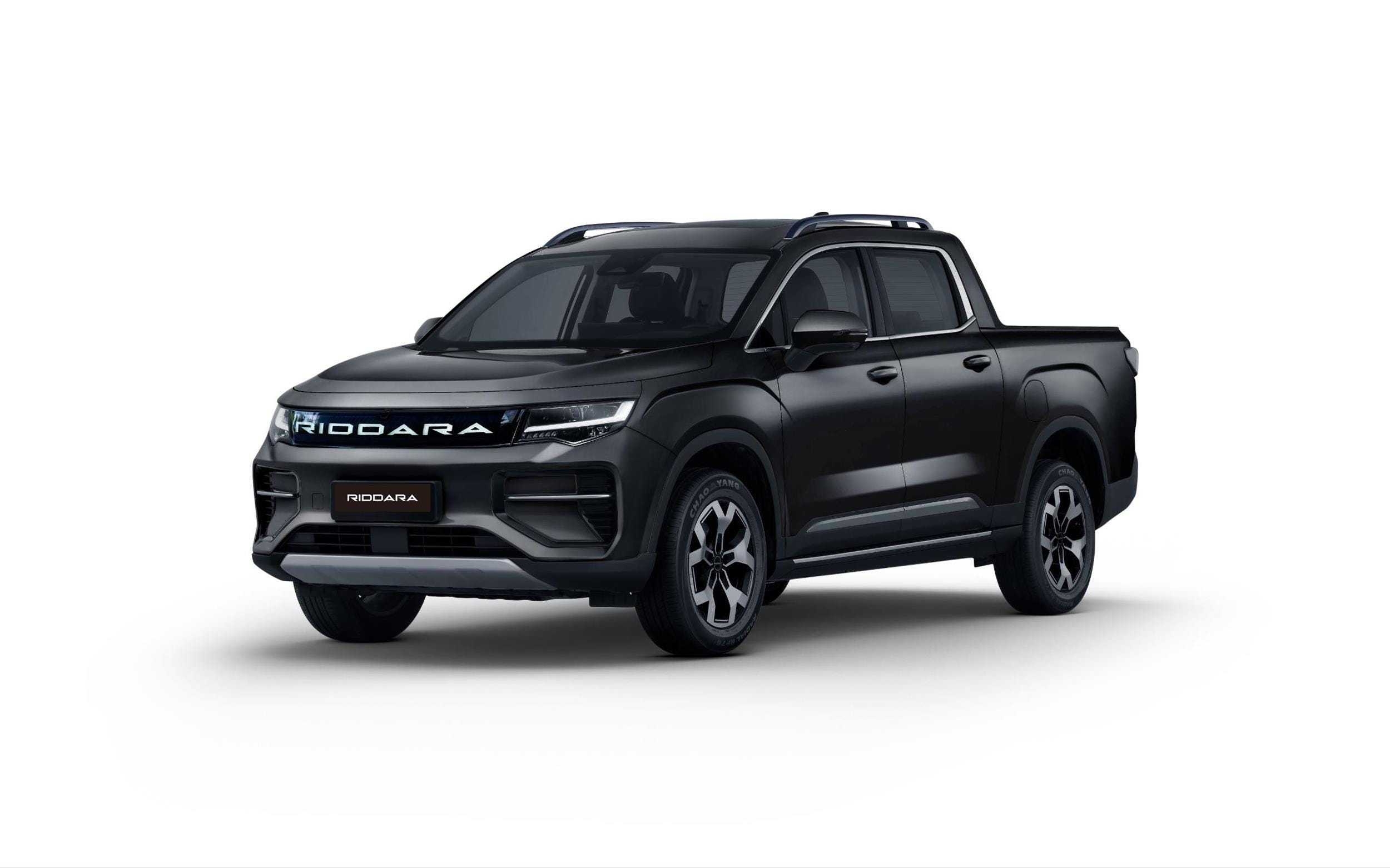
Geely used the festival to showcase the Riddara, expected to become South Africa’s first fully electric bakkie. In flagship specification, the vehicle produces up to 315kW and 595Nm, while offering a payload exceeding one tonne and towing capability of 3,000kg.
JMC, meanwhile, presented the Grand Avenue, a more traditional diesel-powered double cab aimed at buyers who remain hesitant about electric alternatives.
The result is a rapidly expanding segment where buyers are being offered more technology, greater performance and broader powertrain choices than ever before.
Legacy brands still dominate sales
Despite the surge of new products from Chinese manufacturers, sales figures show that established brands remain firmly in control of the South African market.
According to August 2026 new vehicle sales data:
Toyota sold 13,814 vehicles
Suzuki sold 6,505 vehicles
Volkswagen Group sold 5,668 vehicles
Ford sold 3,202 vehicles
Hyundai sold 3,034 vehicles
Chery sold 2,763 vehicles
GWM sold 2,594 vehicles
Isuzu sold 2,531 vehicles
Jetour sold 1,952 vehicles
Kia sold 1,783 vehicles
These figures highlight an important distinction: while Chinese manufacturers may be winning headlines and generating excitement through new products, legacy brands still benefit from established dealer networks, trusted after-sales support, and proven resale values.
Competition benefits consumers
The growing presence of Chinese manufacturers is creating one of the most competitive periods the South African automotive sector has experienced in decades.
Consumers now have access to a wider range of vehicle technologies, including affordable EVs, hybrids and range-extender models that were largely absent from the market only a few years ago.
At the same time, questions remain around long-term parts availability, dealer support, resale values and which brands will establish a lasting presence in South Africa.
The verdict
The 2026 Festival of Motoring demonstrated that legacy manufacturers are not losing the battle for South Africa’s car market. Toyota, Suzuki, Volkswagen and Ford remain dominant players with substantial customer loyalty and market share.
What has changed is the level of competition.
Chinese brands are entering the market faster, introducing new technologies more aggressively and giving consumers far greater choice across nearly every segment.
They do not need to overtake the established manufacturers overnight. If the pace of product development seen at this year’s festival continues, they may force the rest of the industry to evolve.
For South African motorists, that could be the most significant outcome of all.
©Higher Education Media Services.