


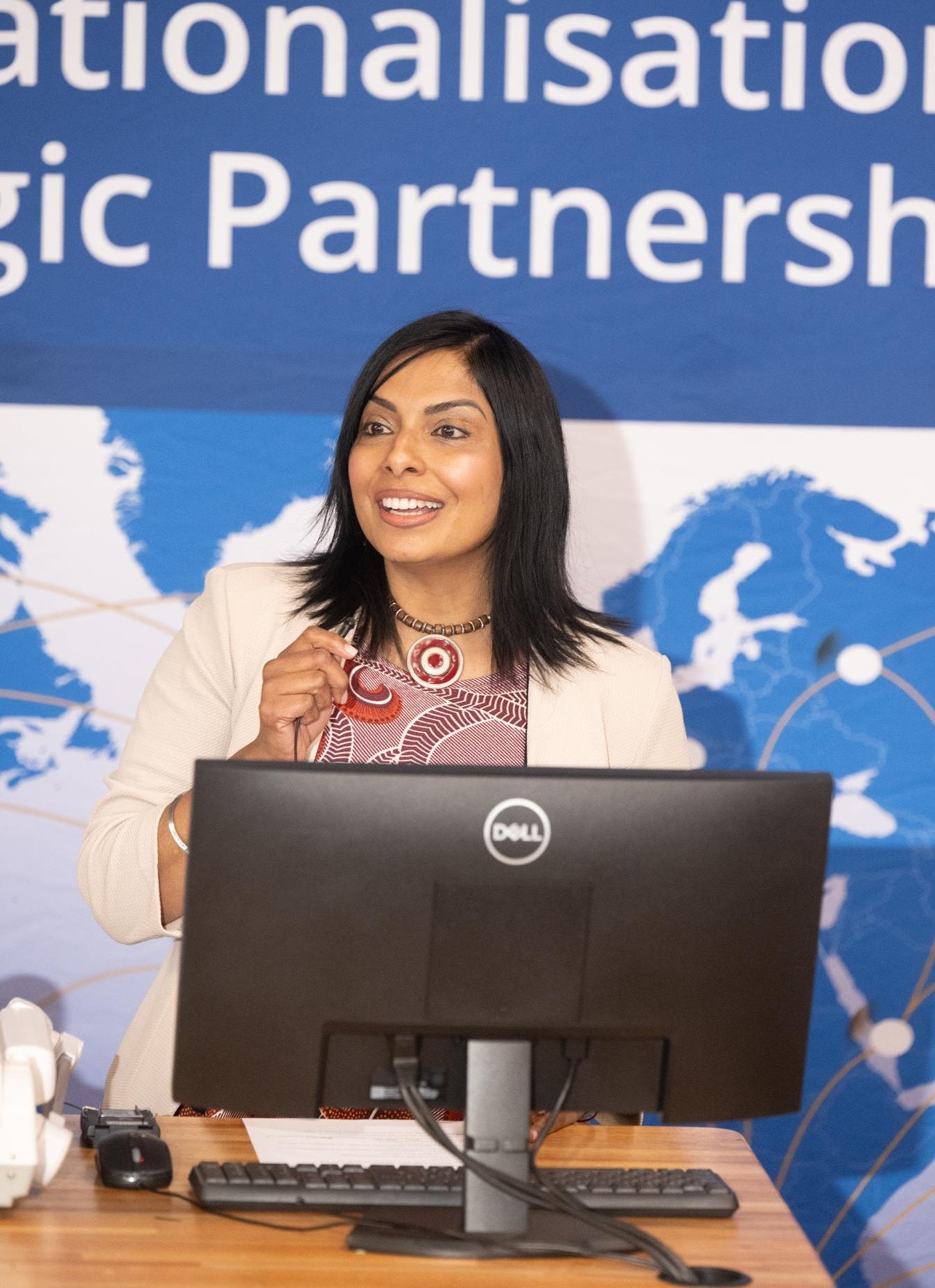
As South Africa celebrates National Women’s Day, ednews.Africa continues to shine a spotlight on women whose career journeys break barriers, create opportunities, and inspire the next generation. Their stories remind us that success is rarely straightforward. Most women featured say their success is built on courage, curiosity, resilience, and a willingness to take on opportunities beyond one’s comfort zone.
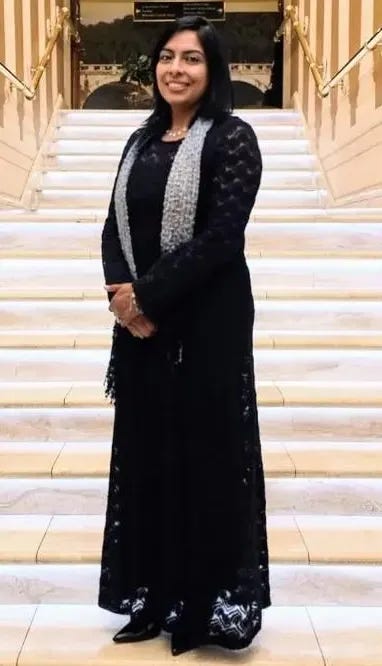
In today’s Women’s Day edition, we feature Rakeshnie Ramoutar-Prieschl, a remarkable leader whose journey began in Durban as the only girl among three brothers and has taken her to the forefront of international higher education and global partnerships.
The former Sydenham Primary and Burnwood Secondary School learner is the Director: Internationalisation and Strategic Partnerships at the University of Pretoria.
Ramoutar-Prieschl helps connect students, researchers, universities, governments, and organisations across the world. Eight years ago, she introduced the Women in Science Initiative at UP with a vision to empower early‑career women researchers to overcome barriers such as the motherhood penalty, limited support, unclear career pathways, and the challenge of balancing work and family. That vision has become a nationally recognised platform driving mentorship, leadership, collaboration, and research excellence.
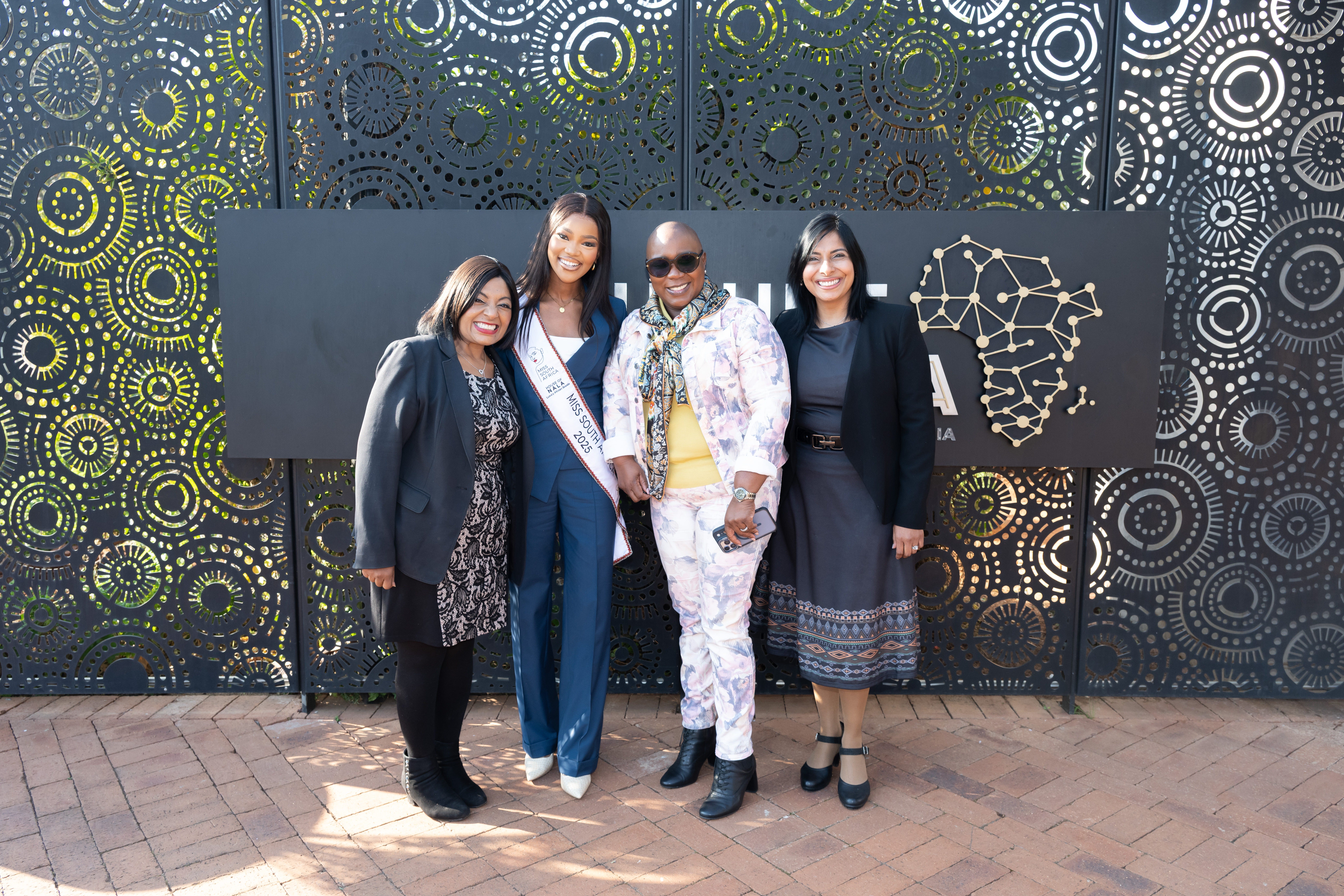
Vice-Chancellor, Professor Francis Petersen and Professor Sunil Maharaj, Vice-Principal: Research, Innovation and Postgraduate Education, were also in attendance at the 8th Women in Science Symposium held on 5 and 6 August under the theme: “From vision to impact: Her Science, her future - Building South Africa’s STEM leaders.”
Testament to the resilience of Ramoutar-Prieschl, her own story is one of determination, lifelong learning, and the power of believing in oneself. From becoming the first in her family to board an aeroplane on a scholarship opportunity, to championing women in science and mentoring future leaders, Ramoutar-Prieschl embodies the spirit of National Women’s Day. She is determined to empower women and girls others while embracing new paths.
For girls and young women wondering what their future could look like, her message is simple but powerful: stay curious, embrace challenges, and never underestimate your ability to shape your own destiny.
Q & A
Career
What is your current job title?
Director: Internationalisation and Strategic Partnerships
How long have you been in this role?
Just over a year – I started in April 2025
Briefly describe what your job involves day-to-day.
I manage a diverse and strategic portfolio that sits at the heart of the University’s global engagement agenda. This includes responsibility for the University’s international student community of more than 4,250 students representing over 100 countries, as well as a network of 232 institutional partnerships worldwide, participation in 15 global university networks, and a growing portfolio of joint and collaborative degree programmes.
My role is to translate the University’s internationalisation strategy into meaningful partnerships and opportunities. This involves strengthening relationships with universities, governments, embassies, international organisations, and industry partners, while creating an environment where international students feel welcomed, supported, and able to thrive.
What I enjoy most about this portfolio is its diversity. On any given day, I may be working with government departments on policy matters, engaging with diplomatic missions and international partners, developing new global collaborations, or supporting students and visiting academics as they navigate life in a new country. It is a role that combines strategy, diplomacy, partnership building, and people, all with the shared goal of ensuring that internationalisation delivers meaningful value for the university and for society.
Where are you based?
Pretoria
What do you love most about your job?
What I enjoy most about my work is its diversity and purpose. Every day presents an opportunity to connect people, ideas, and institutions across borders. I have the privilege of working with international students and visiting academics from around the world, helping them navigate a new country, embrace different cultures, and transform what was once a foreign experience into a true sense of belonging. Equally rewarding is collaborating with government departments, embassies, continental and global organisations, universities, and private sector partners to build strategic partnerships that create opportunities for research, innovation, education, and societal impact.
How did you get into this line of work?
I suppose it happened almost by accident. I transitioned from conducting research to managing research, and in doing so discovered how much I enjoyed seeing the bigger picture—connecting people, ideas, and opportunities to ensure that science translates into meaningful impact for society and improves people’s lives and livelihoods. From that point on, the journey unfolded naturally. The rest, as they say, is history (herstory).
Was this always your dream career?
I don’t think of it as having reached my dream job. Rather, I see my career as an ongoing learning journey. Every new role is an adventure, an opportunity to discover new ideas, tackle different challenges, and grow in unexpected ways. What excites me most is the chance to keep learning, to work with inspiring people, and to contribute to something that creates meaningful impact. For me, it’s less about arriving at a destination and more about embracing the journey and the opportunities each new chapter brings.
What have been some highlights so far?
One of my proudest career highlights has been conceptualising and leading the annual University of Pretoria Women in Science Initiative. The event celebrates excellence while raising the visibility of women researchers in STEM disciplines, creating a platform that recognises achievement, inspires future generations, and advances gender equity in science. I am passionate about developing the next generation of scientists, particularly young women and girls.
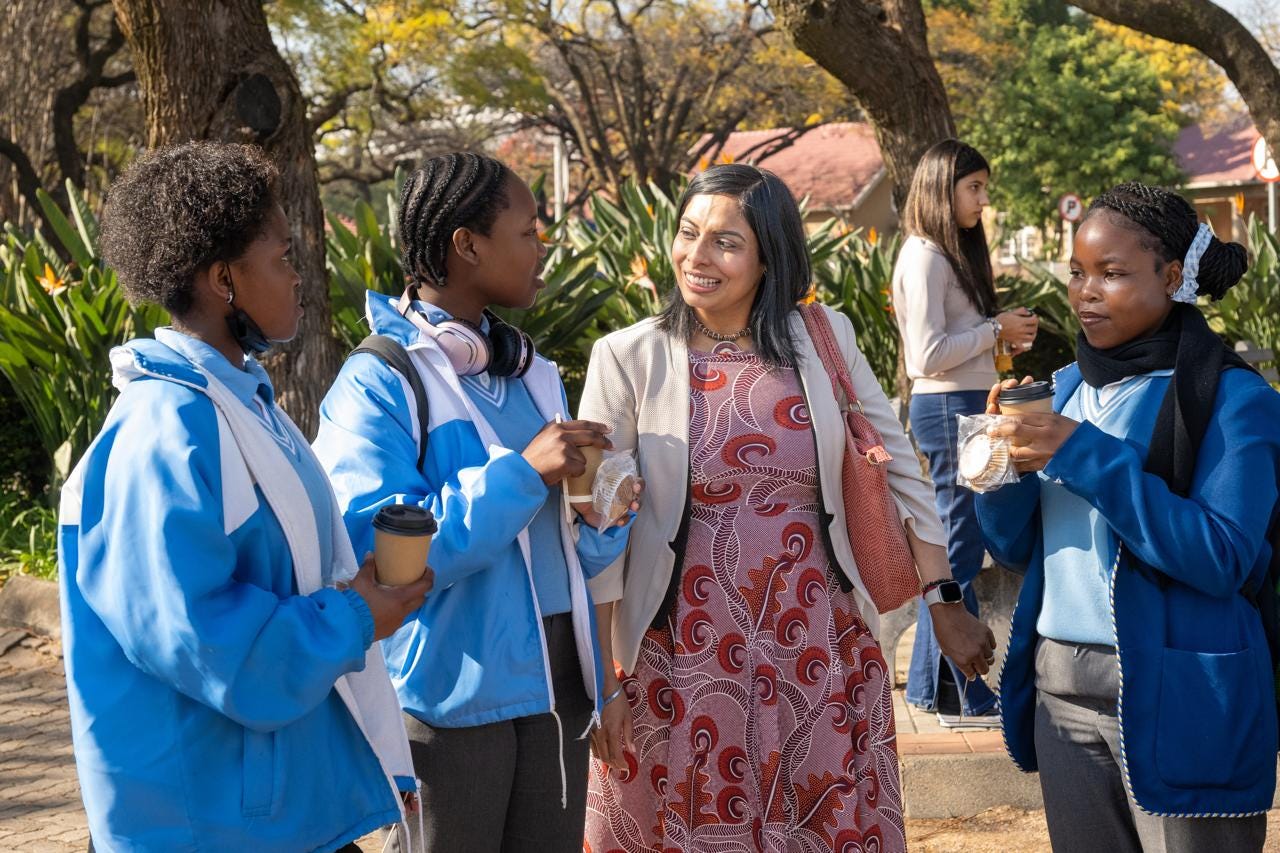
Through strategic collaborations with organisations such as UNESCO, L’Oréal, Higher Education Media Services, the Organisation for Women in Science for the Developing World (OWSD), and several South African government departments, I have helped create opportunities for school learners, students, and early-career researchers to access mentorship, professional networks, leadership development, and research opportunities.
Another career highlight has been leading capacity development initiatives for early-career researchers across Africa in partnership with organisations including the Association of African Universities (AAU), the Southern African Research and Innovation Management Association (SARIMA), the African Academy of Sciences (AAS), and other continental and international partners. These programmes have focused on strengthening research leadership, international collaboration, research management, and science-policy engagement, empowering emerging researchers to build impactful and globally connected careers.
Challenges
What are some of the challenges?
One of the biggest challenges in my role is balancing the opportunities of internationalisation with an increasingly complex regulatory environment. This includes navigating legislation affecting foreign nationals, immigration and labour requirements, while ensuring the university remains compliant and responsive. Another challenge is managing operations during periods of uncertainty, such as student unrest, visa delays, or geopolitical developments, where clear communication, sound judgement, and strong stakeholder relationships are essential.
What type of personality suits this career?
I believe this role requires someone who is collaborative, resilient, and solutions- oriented, with a strong sense of integrity and diplomacy. The ability to build trusted relationships across cultures and sectors, remain calm under pressure, adapt to change, and navigate complex stakeholder environments is essential.
Above all, a global mindset, empathy, and strategic thinking are key to creating meaningful partnerships and delivering lasting impact.
Is it well-paying? Are there good benefits?
Pay varies significantly by university, country, and level of responsibility: essentially, this job is about being passionate about the role.
Can you work in other countries with this qualification?
Yes
What education or training is needed?
Diplomatic training would help, and a science-related qualification.
Which matric subjects help?
Mathematics, Economics, Accounting, Science, International Relations
How long does training take, and is it expensive?
Uncertain
Do you need ongoing training throughout your career?
Yes, through initiatives such as IEASA
Are bursaries, loans or scholarships available?
Yes: https://www.internationalscholarships.dhet.gov.za/
Where can one study for this career?
Any university in South Africa
What should a young person do first if they want to follow this path?
Start by saying yes to opportunities that stretch you. Build a strong academic foundation, but don’t focus only on qualifications; seek experiences that expose you to different cultures, disciplines, and ways of thinking. Develop skills in communication, collaboration, and problem-solving, and be willing to take on challenges that are outside your comfort zone.
Most importantly, build relationships. Internationalisation is fundamentally about people, trust, and partnerships. The connections you make and the reputation you build for integrity, reliability, and delivering results will open more doors than any job title.
Advice for the Young at Heart
What advice would you give someone thinking about this career?
My advice would be to stay curious and never stop learning. Careers rarely follow a straight line, and some of the most rewarding opportunities are the ones you never planned for. Be open to stepping outside your comfort zone, saying yes to new challenges, and embracing experiences that broaden your perspective.
Secondly, remember that this is ultimately a people-centred profession. Building relationships, listening well, and working collaboratively are just as important as technical expertise. Whether you’re working with students, researchers, governments, industry, or international partners, trust and authenticity are your greatest assets.
I would also encourage aspiring professionals to think beyond their own discipline. Read widely, understand global trends, and develop an appreciation for how research, policy, innovation, diplomacy, and society intersect. The ability to connect ideas and bring people together is increasingly valuable. Finally, never lose sight of why you do the work. Titles and positions come and go, but creating opportunities for others, enabling collaboration, and helping research make a meaningful difference in people’s lives is what makes this career so rewarding. If you remain purpose-driven, the career will continue to surprise and inspire you.
Is there a shortage of people in this field (in SA or globally)?
Absolutely. There is a growing demand, both in South Africa and globally, for professionals who understand how to build strategic partnerships, navigate international higher education systems, and connect research, policy, innovation, diplomacy, and global collaboration.
The landscape has become far more complex. Universities are no longer operating in isolation—they are navigating an environment shaped by geopolitics, shifting research priorities, technological disruption, changing immigration policies, funding constraints, and increasing competition for global talent. These dynamics require professionals who can understand not only higher education, but also the broader political, economic, and diplomatic context in which universities operate.
In South Africa, the demand is particularly acute as universities seek to strengthen their global competitiveness, attract international students and researchers, diversify funding sources, and contribute to national and continental development priorities. There is also an increasing need for expertise in science diplomacy, research management, international student support, partnership development, and the policy frameworks that enable international collaboration.
What other similar jobs exist in your industry?
While my role is based in higher education, there are many similar careers that draw on the same combination of strategy, partnership development, diplomacy, policy, and stakeholder engagement.
These include roles in international relations and global engagement, research and innovation management, science diplomacy, development cooperation, international development, government and public policy, multilateral organisations, philanthropic foundations, and corporate global partnerships.
Professionals in these fields often work for universities, research councils, government departments, embassies, international organisations such as the United Nations, UNESCO, development agencies, NGOs, funding organisations, and multinational companies.
Looking back, what would you have done differently?
Looking back, I don’t think I would change the direction of my career because every experience, even the challenging ones, has shaped who I am today. If I could do anything differently, I would probably have believed in myself a little sooner and taken on new challenges earlier. Early in my career, I was focused on doing the work well, but I later realised that growth often comes from saying yes to opportunities that feel a little daunting. Those moments, where you’re stretched beyond your comfort zone, often become the greatest gifts for your career because they build confidence, resilience, and open doors you never imagined. Ultimately, I don’t see my career as a series of perfect decisions. I see it as a journey of continuous learning, curiosity, and embracing opportunities that allow me to make a meaningful difference.
Tell us about a teacher or mentor who inspired your journey.
I’ve been fortunate to have several mentors throughout my career, but one who had a profound impact on me was Professor Patricia Berjak. She built an extraordinary career in cellular biology and microscopy at a time when science was still very much a male-dominated field, and she taught me what resilience, excellence, and perseverance truly look like.
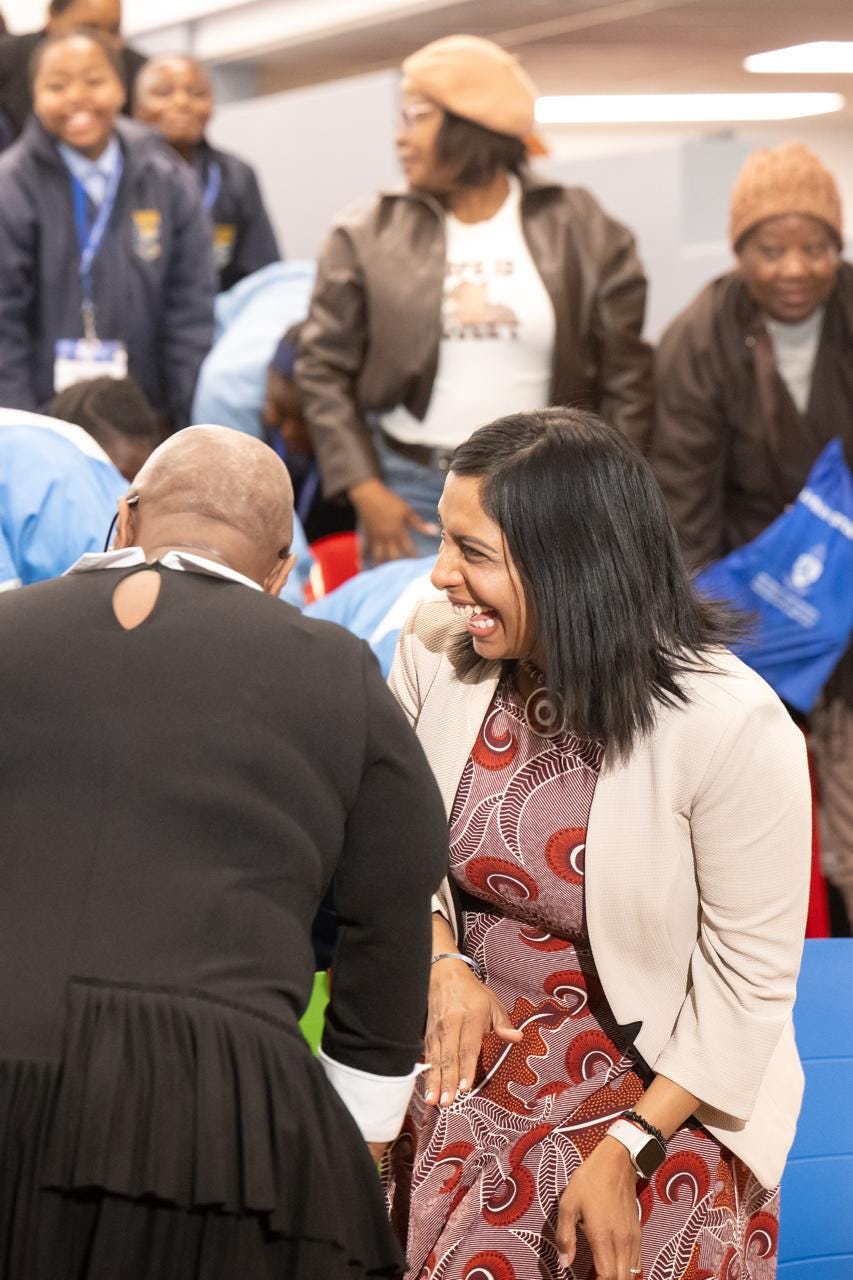
She was a tough cookie—hard as nails on the outside, but with a marshmallow heart underneath. She challenged me constantly and pushed me well beyond what I thought I was capable of. At times, her high expectations were intimidating and stretched me emotionally, but they also helped me discover strengths I didn’t know I had. Through it all, she believed in me, stood by me, and never let me fail without first teaching me how to succeed. She didn’t make the journey easy, but she never let me drown.
©Higher Education Media Services
Inspiring for young womxn ...great stuff