


The GWM Tank 300 has become one of those vehicles that gets people talking. Park one at a shopping centre, a fuel station or an off-road trail and chances are someone will stop to have a closer look.

After spending time with the new 2.4-litre turbodiesel variant, I can understand the appeal. It has the rugged looks of a traditional off-roader, the luxury of a modern SUV and, most importantly, a diesel engine that finally feels adequate to tackle the beaten path. The first thing that strikes you is its presence.
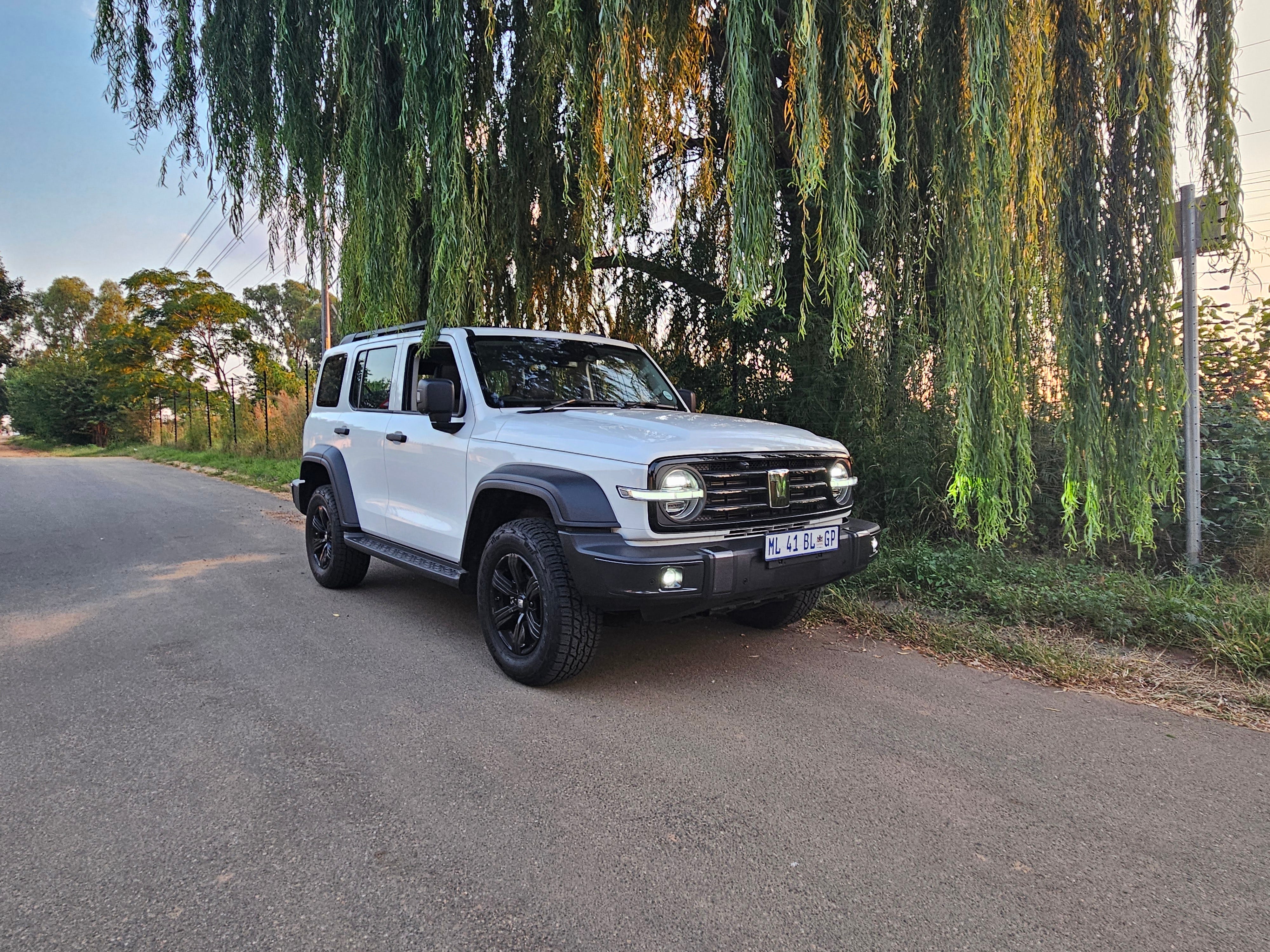
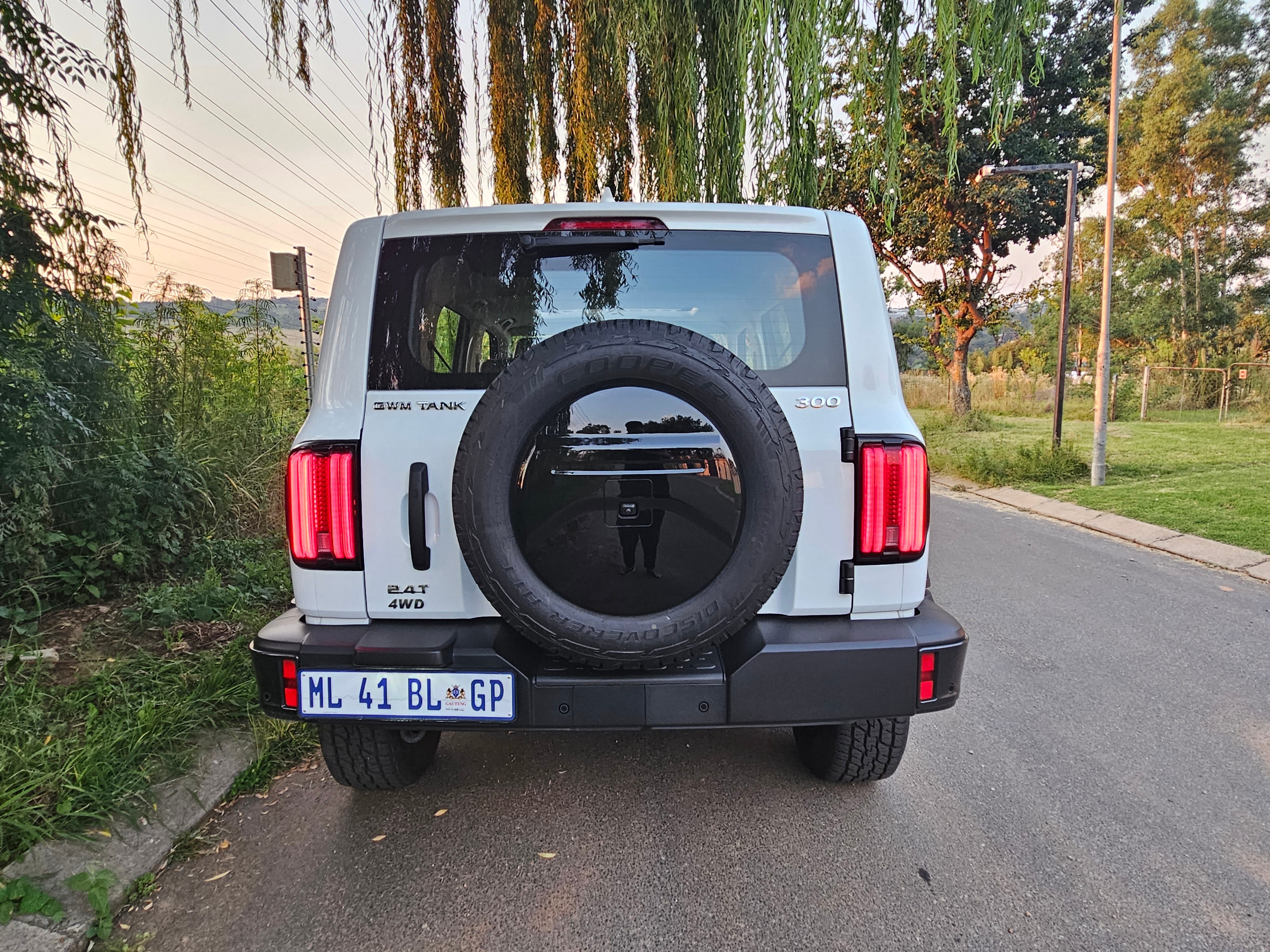
The Tank 300 is boxy and upright. It has that old-school off-road silhouette, perhaps taken from a Jeep Wrangler, with its circular lights; it has a retro-inspired design with modern touches that make it distinctive in a market overflowing with generic SUVs
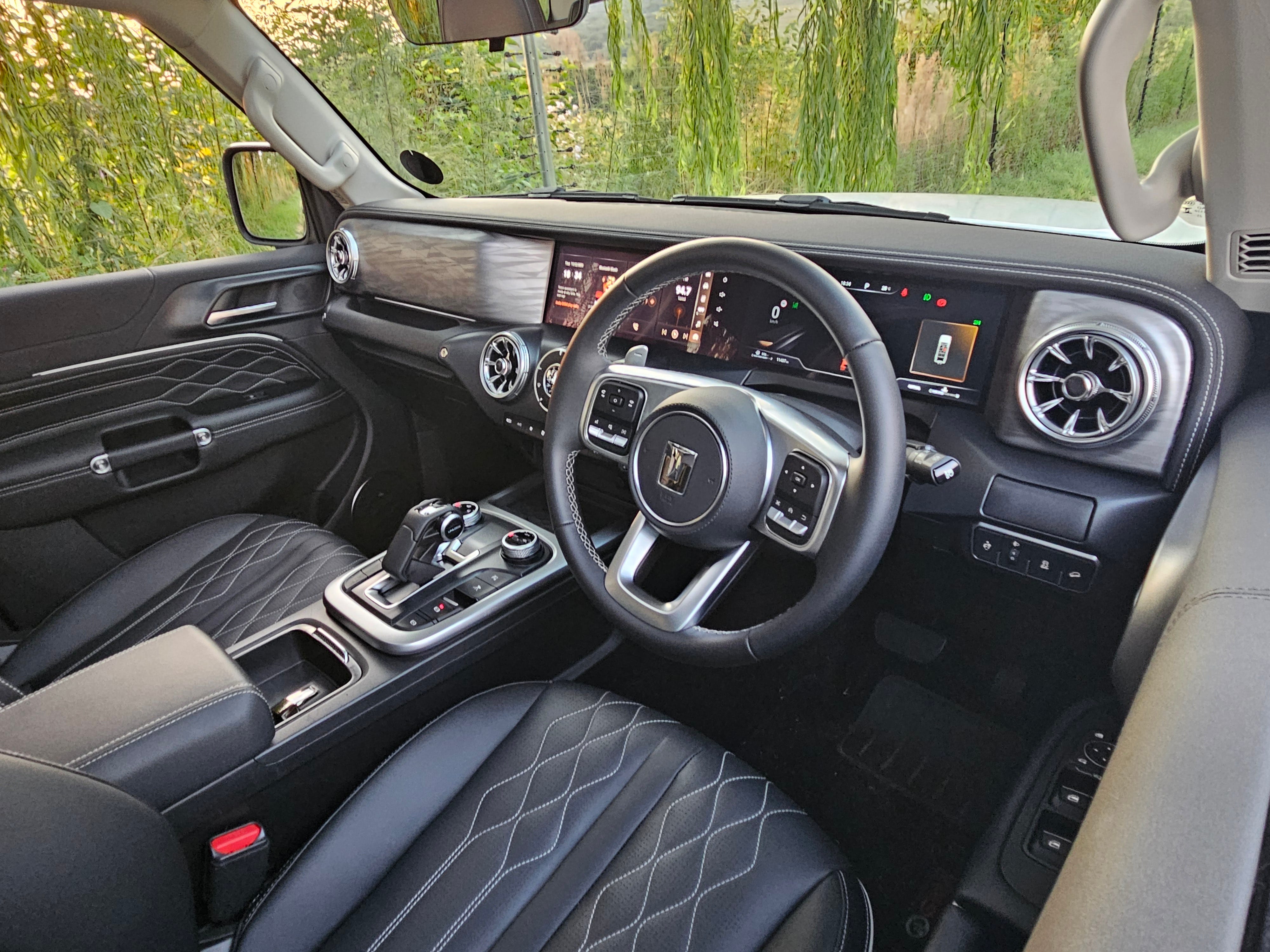
Inside, things get even more interesting. Step into the cabin and you’re greeted by an interior that feels more expensive than the price tag suggests. The layout is clean and modern, while the materials feel substantial and well put together.
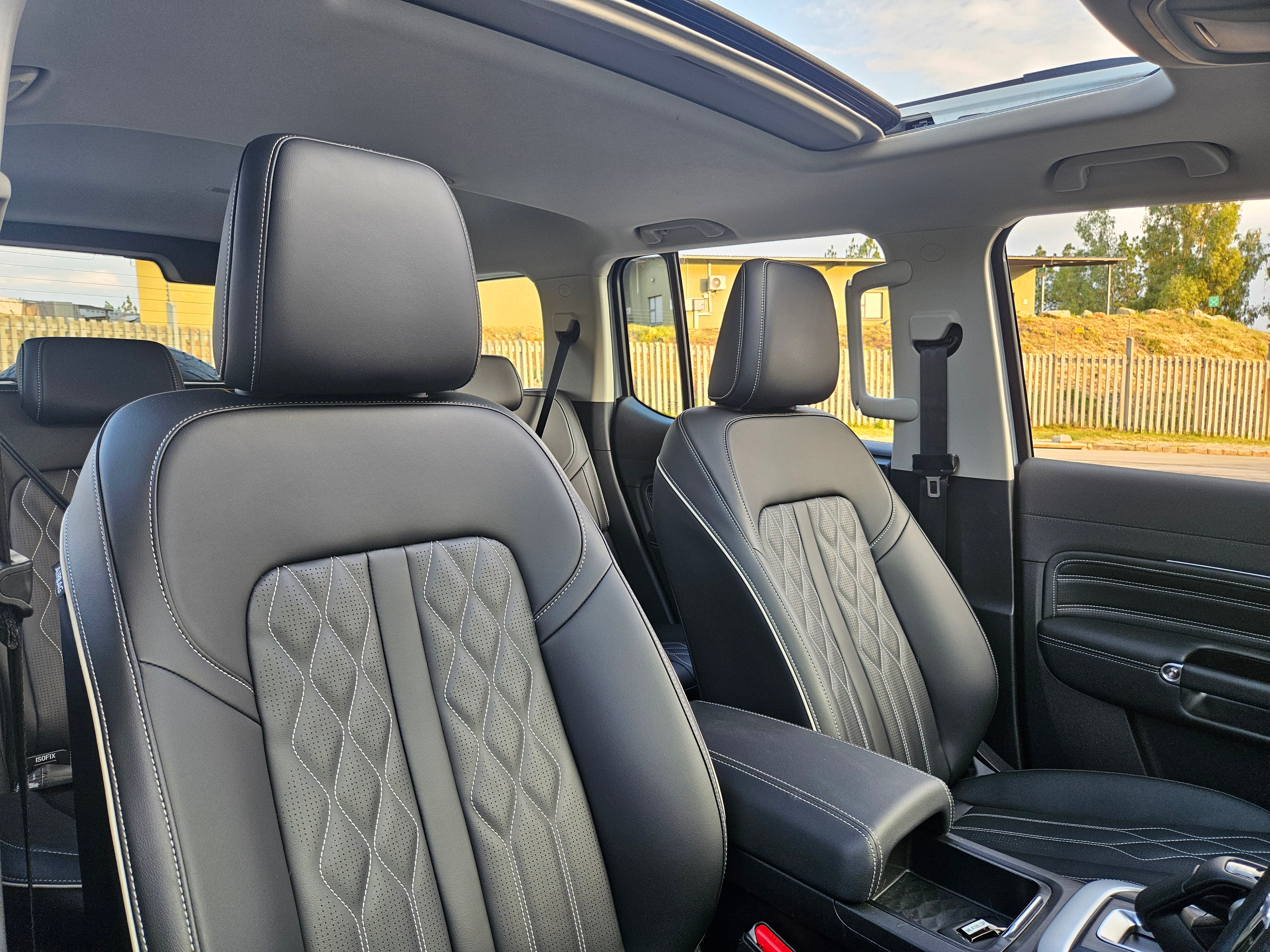
Our test vehicle featured the Ultra Luxury specification, and the name isn’t an exaggeration. It has heated seats, large digital displays,s and all the modern connectivity features you’d expect, including Apple CarPlay and Android Auto. The overall experience feels premium, bordering on luxurious, without venturing into German luxury-car territory on price.
Pricing is arguably one of the Tank’s strongest selling points. At R739,900, the diesel variant actually undercuts the petrol model. In today’s market, that’s a compelling package, especially as buyers become more conscious of long-term ownership costs.
The biggest surprise, however, comes once you get moving. This is where the diesel powertrain completely transforms the Tank 300.The 2.4-litre turbodiesel feels a bit rough around the edges; however, once you get going, it settles into a reasonable cruise.
It can feel a bit dull during take-off as there’s a delay before the power kicks in, but in day-to-day it’s a comfortable thing; though it felt a bit on the firm side, it's decent enough for day-to-day use, and I much prefer this over the thirsty hybrid variant, which averaged15 L/100 kmm; this received 7.4L/100km.
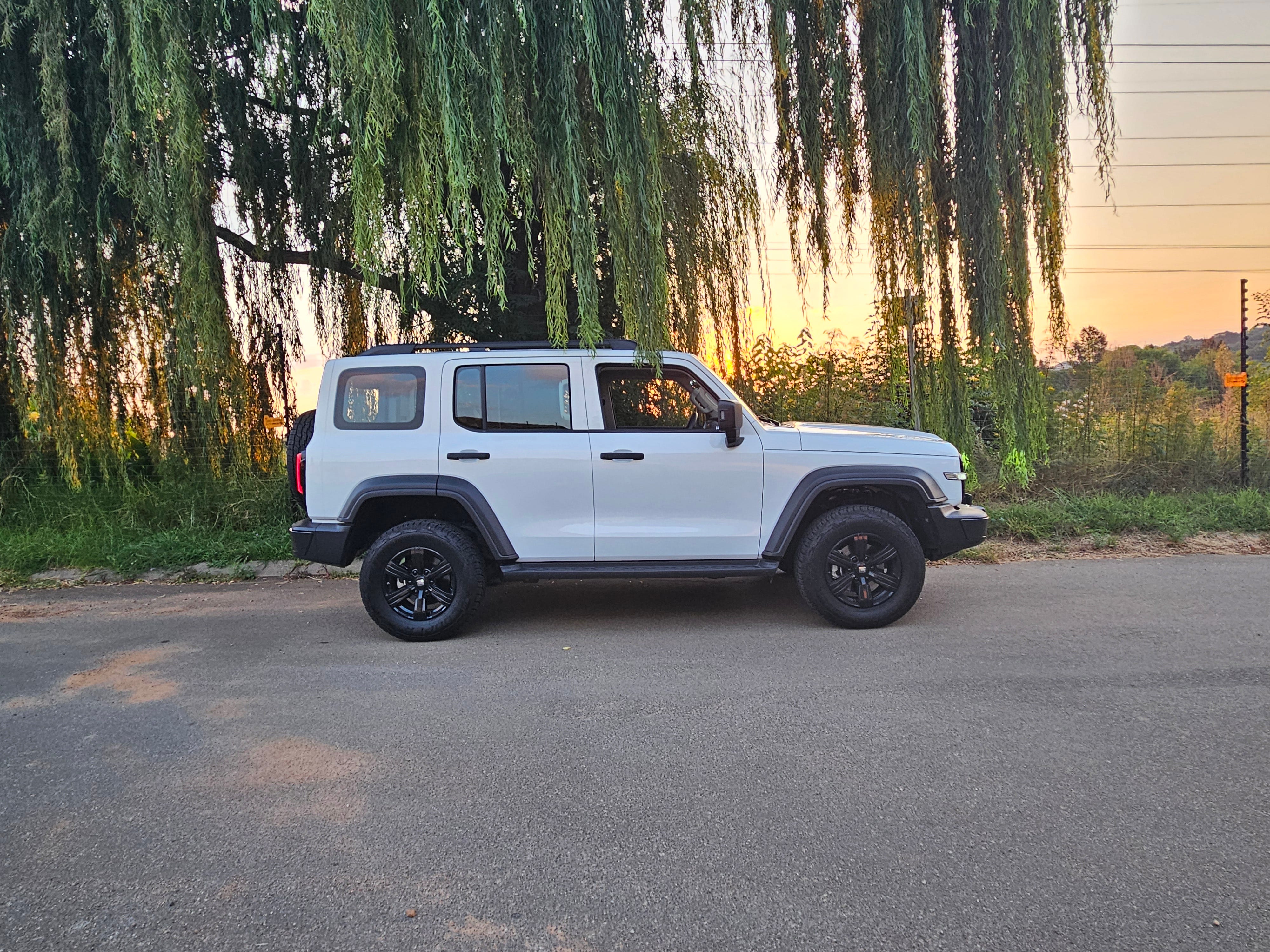
This figure is commendable for a 4x4 SUV of this size and shape. Combined with its 78-litre fuel tank, owners can realistically expect a touring range exceeding 900 kilometres. Beneath the stylish exterior, it isn’t merely pretending to be rugged.
Features such as low-range gearing, locking differentials and wading ability mean it is properly equipped for serious off-road work. That’s what makes the Tank such an interesting proposition. Competition in this segment is fierce, yet the GWM enters the fight with a significant pricing advantage.
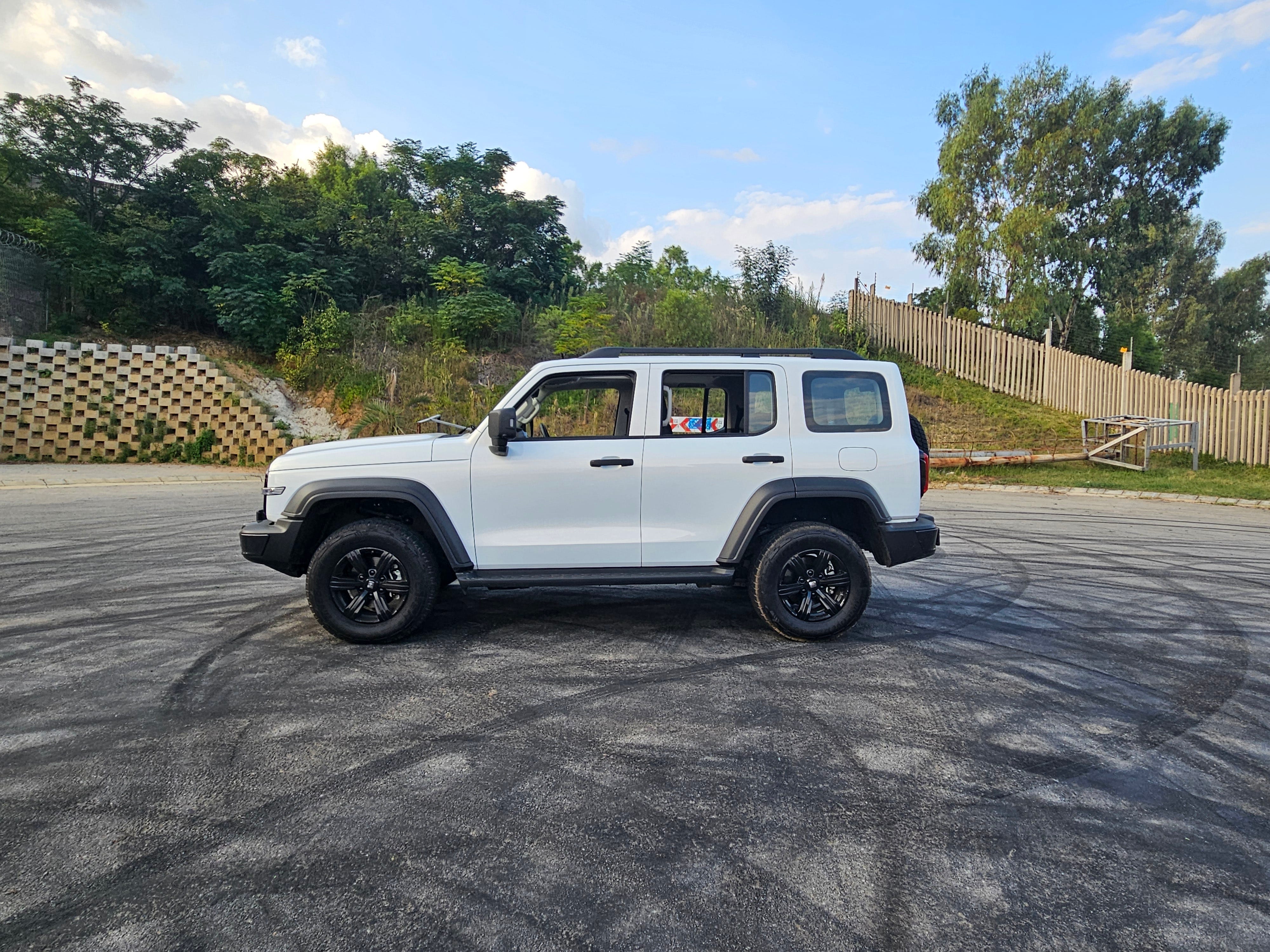
Vehicles such as the Ford Everest 2.0 Bi-Turbo Sport, Isuzu MU-X Onyx XT, Toyota Fortuner VX and Mitsubishi Pajero Sport all command substantially higher prices. Even with established reputations and loyal customer bases, the Tank counters with a generous specification list and a lower asking price.
Only the Mahindra Scorpio-N undercuts it significantly among body-on-frame adventure vehicles. That creates a strong value argument. For buyers seeking a capable 4x4 that won’t empty their bank accounts, the GWM Tank 300 diesel makes a convincing case. In fact, it may well be one of the biggest bargains on the market today.
©Higher Education Media Services.