


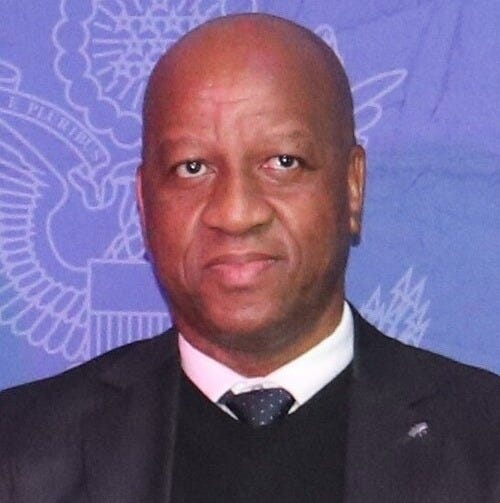
The KwaZulu-Natal Working Group on Child Sexual Violence (Working Group) will, on Monday, 23 March 2026, meet with the Office of the Premier Thami Ntuli, to present a comprehensive set of findings and recommendations aimed at strengthening the provincial response to child sexual violence and adolescent pregnancy.
The Working Group comprises the South African Human Rights Commission, the Public Service Commission, the Commission for Gender Equality, the Cultural, Religious, and Linguistic Rights Commission, the National Prosecuting Authority, the Department of Justice and Constitutional Development and experts from the University of KwaZulu-Natal.
The engagement comes after the October 2025 launch of the Premier’s Multisectoral Strategy to Curb Child and Teenage Pregnancies (2025–2029) and will highlight critical systemic gaps in policy, reporting mechanisms, data coordination, and implementation frameworks.
The Working Group’s intervention builds on national-level engagements, including stakeholder presentations to the Portfolio Committee on Women, Youth, and Persons with Disabilities, chaired by Liezel Van Der Merwe, in late 2025.
These engagements highlighted similar concerns regarding fragmented state responses, inadequate accountability mechanisms, and the need for a coordinated, rights-based approach across all spheres of government.
The upcoming meeting with the Premier represents a critical opportunity to align provincial interventions with these national oversight processes and to ensure that KwaZulu-Natal’s Teenage Pregnancy Strategy evolves into a more gender-transformative, evidence-based, and implementation-driven framework.
The Working Group said it notes and welcomes ongoing efforts by the Deputy Minister in the Department of Women, Youth and Persons with Disabilities, Steve Letsike, aimed at addressing sexual violence against girl children.
These efforts form part of a broader national strategy to reinforce and revitalise South Africa’s National Gender Machinery, ensuring improved coordination, accountability, and impact across government departments and social partners, it said.
In its engagement with the Premier, the Working Group will emphasise the following priorities:
• Strengthening mandatory reporting, referral, and monitoring systems for child sexual violence
• Addressing gaps in policy coherence and legislative frameworks, particularly in relation to the age of consent and reporting obligations
• Ensuring integrated, multi-sectoral coordination across health, education, justice, and social development sectors
• Advancing gender-transformative interventions that address harmful social norms and power imbalances
• Enhancing accountability mechanisms for both perpetrators and state actors who fail to respond adequately
• Embedding robust monitoring and evaluation systems to track implementation and impact.
The Working Group said it remains committed to working collaboratively with all partners to ensure that policy commitments translate into meaningful change on the ground.
©Higher Education Media Services.