


By Andy Moore
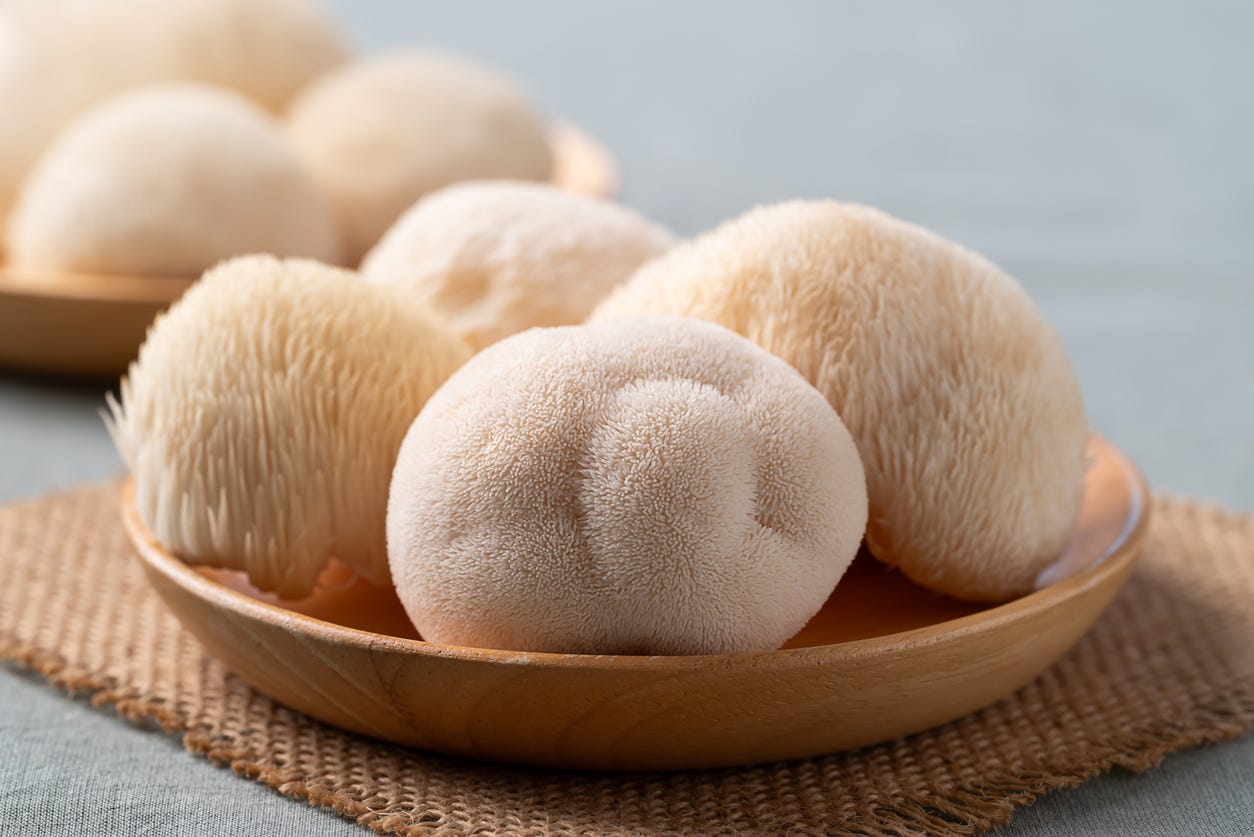
This distinctive white mushroom, known scientifically as Hericium erinaceus, has been used for centuries as both food and traditional remedy in parts of Asia. Today, it is attracting fresh attention among people looking for natural, food-based ways to support focus, mental clarity, mood and immune resilience.
The interest is understandable. Modern life asks a great deal of the brain with long workdays, constant digital input and rising stress levels making cognitive wellbeing a more everyday concern.
For many consumers, the appeal of Lion’s Mane lies in its simplicity. It is a functional mushroom with a long history of use, now available in convenient supplement formats that make it easier to include in a daily routine. As with any supplement, however, the real value lies in understanding what it is, how it is used and what to look for in a quality product.
Lion’s Mane gets its name from its striking appearance. Rather than the familiar cap-and-stem shape of many mushrooms, it grows in soft white strands that resemble a lion’s mane. In cooking, it is valued for its delicate texture and mild, savoury taste. In the supplement category, it is valued for its natural compounds, particularly hericenones and erinacines, which have become the focus of research into brain and nervous system support.
One of the reasons Lion’s Mane has become so closely linked with cognitive health is its relationship with nerve growth factor. This is a protein involved in the growth, maintenance and survival of nerve cells. Researchers are interested in whether compounds in Lion’s Mane may help support these pathways, which are linked to healthy brain function over time.
This is where Lion’s Mane differs from many ingredients that promise quick stimulation. It is not typically positioned in the same way as caffeine or energy products. The interest sits closer to long-term support: focus, mental clarity and the body’s natural systems that help the brain function well. For anyone trying to build a steadier wellness routine, that distinction is useful.
Focus is often the starting point. Many reach for supplements when they feel foggy, distracted or mentally stretched. Lion’s Mane is frequently described as a natural nootropic, a term used for substances that may support mental performance. In more everyday language, people are looking for help with concentration, clear thinking and feeling better able to stay with a task.
The science is still developing, particularly in human studies, but the early interest around Lion’s Mane is strong enough to explain why it has moved from specialist wellness shelves into mainstream supplement conversations. It speaks to a need many people recognise: the desire to feel sharper without relying on short bursts of stimulation that can leave them feeling depleted later.
Mood support is another part of the Lion’s Mane story. Brain health and emotional wellbeing are closely connected, and researchers have begun exploring how Lion’s Mane may relate to stress and mood through its effects on the nervous system, inflammation and the gut-brain axis. For consumers, this places Lion’s Mane in a broader category of supplements that support resilience rather than chasing quick fixes.
The gut-brain axis is especially relevant because it reflects how interconnected wellbeing can be. The digestive system and brain are in constant communication and shifts in one can influence the other. Lion’s Mane has long been valued in traditional practices for digestive support, and modern interest in the mushroom often considers both the brain and gut as part of the same wider picture.
Immune support adds another dimension. Lion’s Mane contains polysaccharides, including beta-glucans, which are natural compounds found in several functional mushrooms.
These compounds have been studied for their role in immune function, particularly in supporting the immune system’s ability to respond appropriately. For people already paying attention to nutrition, sleep and seasonal health routines, Lion’s Mane can sit comfortably within a wider immune-supporting approach.
But let’s not forget that Lion’s Mane is a food before it is a supplement. Fresh Lion’s Mane can be cooked and eaten, and is often used in soups, stir-fries or pan-fried dishes. Whole-food use offers nutritional variety and connects the mushroom to its natural source.
Supplements, however, offer something different: consistency. Most people do not have easy access to fresh Lion’s Mane, and even when they do, the active compound content can vary. A supplement format allows for a measured daily intake, which is one of the reasons capsules and extracts have become popular.
When choosing a Lion’s Mane supplement, format and serving size are worth understanding. Research and general consumer guidance use a wide range of daily intakes, often from around 750mg to 3g per day, depending on whether the product is a dried mushroom powder, a concentrated extract or another format. This makes like-for-like comparison difficult, as a gram of whole mushroom powder is not the same as a gram of standardised extract.
For that reason, the strength and standardisation of the supplement are as important as the number of milligrams on the label. FoodGrown’s Lion’s Mane follows the extract route, with a formulation standardised to 40% polysaccharides and a recommended serving of two capsules per day, taken with a meal. This gives consumers a consistent daily serving in a convenient format, while keeping use aligned with the product directions.
As interest in functional mushrooms grows, Lion’s Mane also raises a broader question about how people think about supplements. The strongest routines are rarely built around one product. They are built around habits that support the body each day, with supplements used to fill a specific role. Lion’s Mane may be relevant for people who want to support focus, mood and cognitive wellbeing, but it works best as part of a wider commitment to health.
That means pairing it with the basics that continue to count: enough sleep, balanced meals, regular movement, hydration and stress management. A supplement can support a routine, but it cannot replace one. This is not a limitation. It is the most sensible way to think about nutritional support.
Lion’s Mane is generally well tolerated by many adults, particularly when eaten as food, although individual responses can differ. Anyone who is pregnant, breastfeeding, managing a medical condition, taking chronic medication or unsure whether a supplement is suitable should speak to a healthcare professional before adding it to their routine.
For now, Lion’s Mane’s strongest appeal lies in its combination of tradition, nutritional interest and growing research. It is a functional mushroom with a story that feels both old and current: rooted in food, linked to the brain and increasingly relevant to the way people are trying to support their wellbeing.
For consumers navigating a crowded supplement shelf, Lion’s Mane offers an opportunity to make a more informed choice. Look past the buzz, read the label and choose a product that explains what it contains. Used thoughtfully, it may become a valuable addition to a daily routine built around focus, resilience and long-term brain health.
Andy Moore (MSc Dietetics), is Research & Development and Quality Control Manager at FoodGrown.
©Higher Education Media Services.