


By Steve Welman
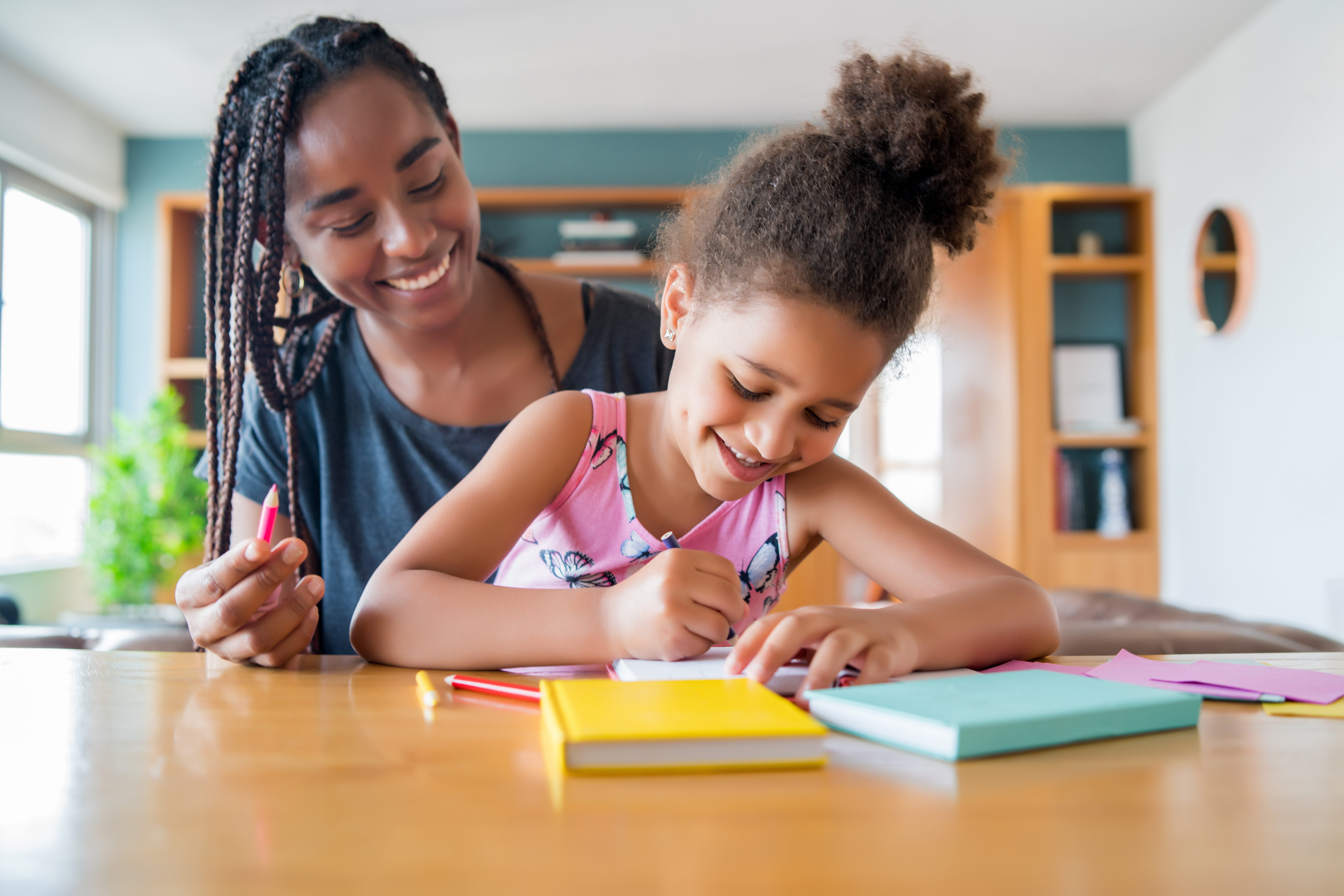
South Africa does not need a false choice between schools and homeschooling. It needs an education ecosystem broad enough to recognise that children and family circumstances differ. Schools matter, but home education has become an option for parents seeking safety, flexibility, affordability or a learning environment better matched to a child. Treating it as marginal ignores what families are telling us: one model cannot serve every learner equally well.
The reasons families homeschool vary. A child may be anxious in a crowded classroom, need more time to master skills or move faster when understanding is easy. A family may be managing disability, illness, bullying, travel, elite sport, cultural priorities or school fees that have become unsustainable. Some live far from an appropriate school. In each case, homeschooling creates room to shape education around the learner instead of forcing the learner around a timetable.
That flexibility, however, should not be romanticised. Moving learning home, transfers responsibility to parents; they must select a programme, understand curriculum expectations, organise the week, explain concepts, assess progress and keep records. As children enter the Intermediate and Senior Phases, the work becomes specialised and assessment expectations become demanding. Commitment alone does not provide subject knowledge or teaching technique. Without dependable support, a family can replace the pressures of school with uncertainty at home.
This is why we need a stronger home-education infrastructure, not merely more content. Families do not need a folder of worksheets or a library of videos. They need a coherent journey: what to teach, in what order, at what depth and how to know whether understanding has developed. Good structure protects flexibility. It gives learners a rhythm while allowing parents to adjust pace, revisit ideas and make space for curiosity.
Quality depends on making expectations visible. A learner benefits from seeing examples, worked solutions and assessment criteria. A parent benefits from explanations that reveal why a concept matters, what an age-appropriate response looks like and where misconceptions occur. This transparency turns assessment from a judgement at the end of a task into feedback during learning. It builds confidence because progress becomes observable rather than assumed.
In addition, access must be considered seriously. A solution designed only for fibre connections, laptops and printing will reproduce the inequalities it claims to solve. South African education must work on shared devices, mobile data and uneven connectivity. Resources should be easy to navigate, economical to download and practical offline when necessary. Affordability must include the whole cost of learning, not only the advertised subscription.
Accountability is important. The Department of Basic Education’s application process directs parents to apply for home education through their province. The legal framework emphasises suitable resources, progress monitoring and assessment against a standard comparable to the national curriculum. These are not obstacles to home education; they are reminders that flexibility and responsibility belong together. Families deserve tools that help them meet those responsibilities without drowning in administration.
The relevant question is not whether a learner sits in a classroom. It is whether that learner has opportunities to collaborate, resolve conflict, form friendships and engage with people beyond the household. The opportunity is to stop treating homeschooling as competition for schooling. It can serve as a pressure-release valve, a laboratory for learner-centred practice and a pathway for families whose needs are not being met. It can challenge education providers to improve clarity, feedback, digital access and parent communication across every setting.
For homeschooling to fulfil that promise, the sector must earn trust. Providers should be honest about alignment, explicit about scope and rigorous. Parents should be supported as learning partners rather than left to improvise as subject specialists. Learners should experience independence and connection.
Government should provide workable processes that protect children without making responsible families feel unwelcome. South Africa’s education future will not be built by one institution or method. It will be built by widening access to credible choices and ensuring that every choice gives a child an opportunity to learn, progress and thrive.
Steve Welman is Director of the Gentle Genius (South African home-schooling platform).
©Higher Education Media Services.
Interesting article…seeing a similar shift here in the Middle East!