


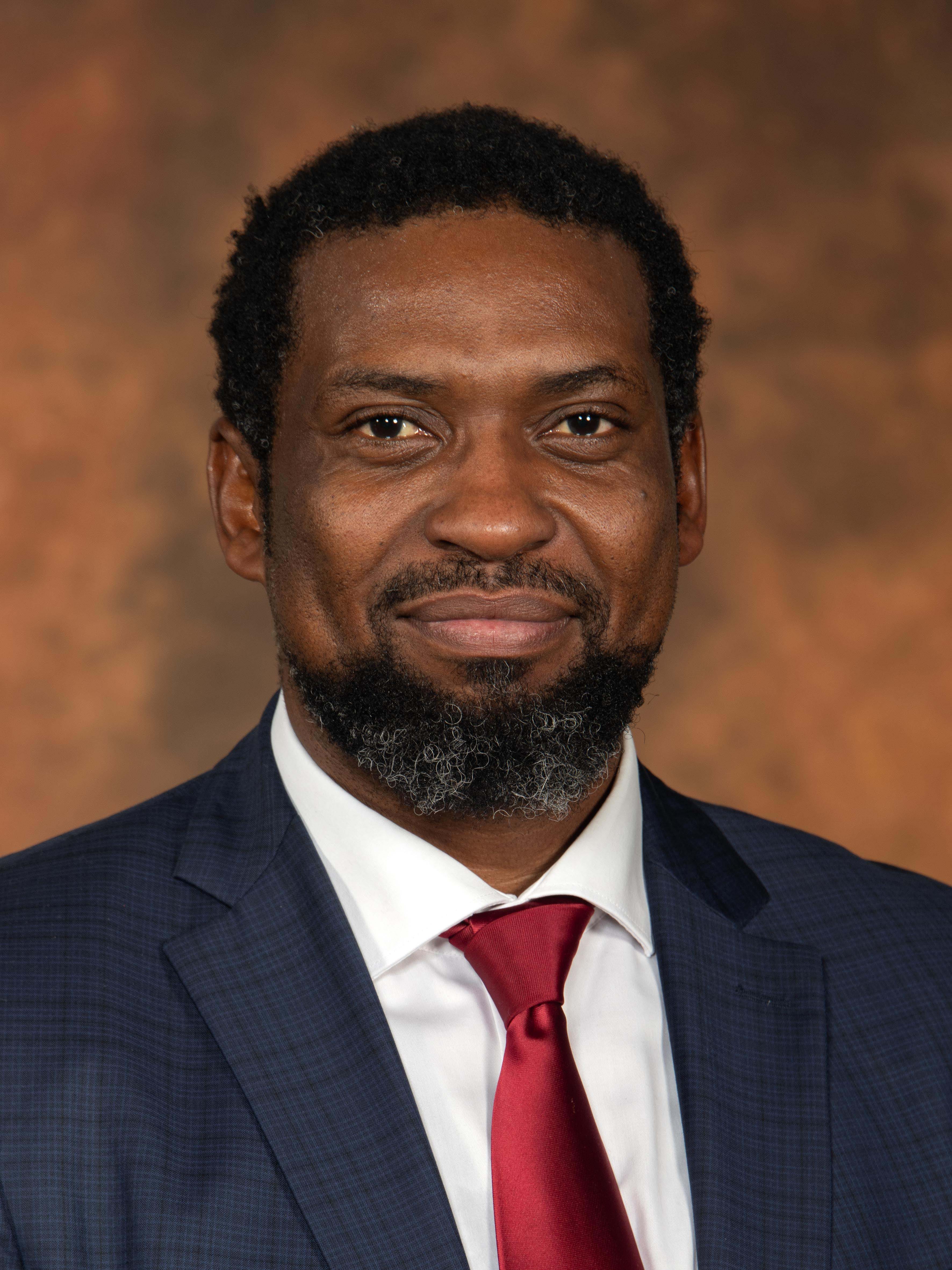
Higher Education and Training Minister Buti Manamela has acknowledged failures in government planning and pledged a sweeping infrastructure drive to reshape South Africa’s post-school education sector and expand access to skills training in underserved communities.
Addressing the National Post-School Education and Training (PSET) Infrastructure Strategic Workshop in Centurion on Tuesday, Manamela said South Africa’s future economic growth depends on building an education infrastructure system that reaches beyond major urban centres and delivers meaningful opportunities to millions of young people and adult learners.
In one of the strongest signals yet about the direction of the country’s higher education strategy, the minister framed infrastructure as central to a broader “skills revolution”, arguing that workshops, laboratories, lecture halls, digital networks and student accommodation are as important to economic development as policy reforms.
“We have come together to decide what infrastructure South Africa needs to give practical meaning to a skills revolution,” Manamela told delegates.
His remarks come amid growing pressure on government to address chronic shortages of student accommodation, ageing TVET college infrastructure, unequal access to higher education, and delays in establishing new institutions.
The most significant news from the workshop was Manamela’s public admission that the Department of Higher Education and Training had missed its own deadline to produce a national infrastructure plan.
“We said we would have an infrastructure plan by the end of September. We have not met that commitment,” he said. “I take responsibility for ensuring that we put this right.”
The admission is likely to resonate across the sector, where institutions, students and communities have been awaiting greater clarity on future infrastructure investments.
Manamela also addressed concerns over the long-delayed proposed University of Ekurhuleni, first announced several years ago but still awaiting implementation.
“The years of waiting since the announcement of the proposed University of Ekurhuleni also require candour,” he said, adding that communities deserved honest updates on progress and unresolved challenges.
The minister warned that announcing fresh timelines without the necessary preparation would only deepen mistrust.
“Another optimistic date, unsupported by the work required to meet it, would deepen the problem,” he said.
A recurring theme throughout the speech was what Manamela described as the country’s enduring “geography of exclusion”, where historical inequalities continue to shape access to educational opportunities.
He argued that distance remains a major barrier for many students, particularly in rural and historically disadvantaged areas.
Communities calling for expanded provision in areas such as Pongola, Lemana and Sekhukhune should be taken seriously, he said. However, the government could not simply establish a new university or college wherever demand arises.
Instead, infrastructure decisions would need to be guided by population growth, learner demand, travel distances and regional economic priorities.
“We cannot claim to have transformed access if a young person’s prospects still depend so heavily on the address of their family home,” Manamela said.
The speech also highlighted growing concern about the condition of infrastructure across the post-school sector.
According to the minister, the government’s recently completed infrastructure survey revealed substantial needs across universities, Technical and Vocational Education and Training (TVET) colleges and Community Education and Training (CET) centres.
TVET colleges, in particular, require better-equipped workshops and practical training facilities aligned to labour market demands.
“A qualification in a technical field must be supported by appropriate machines, tools and equipment,” he said.
The minister linked future infrastructure investment to South Africa’s industrial priorities, including manufacturing, agriculture, mining and the country’s transition to cleaner energy systems.
Student accommodation emerged as another central pillar of the proposed infrastructure programme.
Manamela said the quality of accommodation directly influences academic success and called for residences that are safe, affordable, accessible and located close to learning facilities.
He stressed that the National Student Financial Aid Scheme (NSFAS) accommodation allowance should not be viewed as a guaranteed revenue stream for developers.
“The NSFAS accommodation allowance is support for an eligible student, not a blank cheque for a developer,” he said.
The minister said future solutions would require collaboration between institutions, municipalities, housing providers and development finance institutions to ensure students receive quality housing while maintaining financial sustainability.
While advocating expansion, Manamela cautioned that the government must not neglect existing infrastructure.
He called for a national programme focused on maintenance, repairing damaged facilities and completing stalled projects.
“Neglected maintenance damages the learning environment and turns manageable repairs into expensive failures,” he said.
Importantly, he rejected suggestions that all new projects should be halted until existing problems are fixed.
“Such a rule would preserve exclusion in places that have too little provision to begin with,” he argued.
The minister also highlighted the need for innovative financing models to fund future infrastructure development.
He said the Department would engage the Development Bank of Southern Africa, National Treasury, Infrastructure South Africa and institutional investors to explore funding options.
However, he cautioned against treating pension assets as an easy source of infrastructure finance, noting that any investment involving the Public Investment Corporation or Government Employees Pension Fund must meet strict risk and return requirements.
Looking ahead, Manamela tasked workshop participants with developing a prioritised infrastructure pipeline covering 2027 to 2030, while also identifying immediate interventions that can be implemented within the next six months.
He called for clear accountability, measurable milestones and transparent reporting mechanisms.
Ultimately, the minister argued that infrastructure investment must be measured not by the number of buildings constructed but by whether it expands access, improves educational quality and supports national development.
“Infrastructure for a skills revolution means that our physical and digital investment follows a clear national ambition,” he said, “a post-school system in which more people can develop their abilities and contribute to the life and development of this country.”
For a sector grappling with overcrowding, funding constraints and deep inequalities, the success of that vision will depend on whether government can now turn plans into bricks, connectivity and opportunity.
©Higher Education Media Services.