



South Africa cannot hope to industrialise, modernise or compete globally without a strong corps of qualified artisans, Higher Education and Training Minister Buti Manamela warned on Saturday evening.
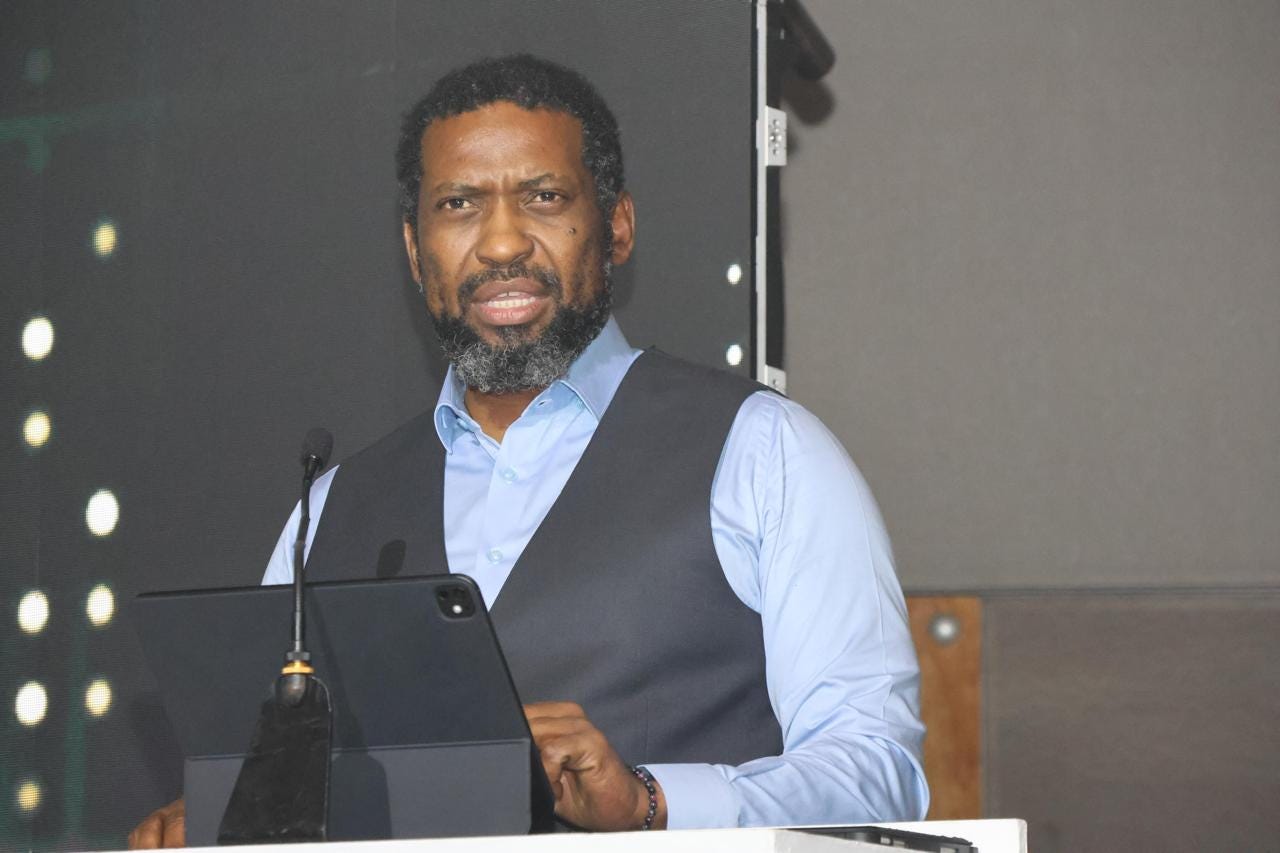
Speaking at the 2nd Annual South African National Artisan Awards (SANAA) in Gauteng, the Minister delivered one of his strongest messages yet on the country’s skills crisis, arguing that artisan training must become a national development priority rather than a symbolic gesture.
Addressing 34 finalists across 13 priority trades, Manamela said the awards were not simply a celebration of excellence but a reminder of the country’s urgent need for plumbers, welders, electricians, millwrights, cobblers and other trades that keep the economy functioning.
“A nation that cannot produce its own plumbers, welders and cobblers does not have the luxury of dreaming about sending people to Mars,” he said, emphasising that ambition must rest on capability.
The Minister’s keynote came days after TVET Month, during which the department pushed for young people to physically visit colleges, see workshops, meet lecturers and understand the pathways into trades.

He argued that South Africa’s skills pipeline must be judged not by speeches or enrolment numbers, but by how many apprentices complete training, qualify, enter workplaces and build sustainable careers. “We must count learners who complete, artisans who qualify, graduates who enter work, and enterprises that survive and grow,” he said.
Manamela was frank about the system’s weaknesses. He noted that students often bear the cost of fragmented planning, outdated equipment, slow certification processes and limited workplace opportunities.
“The classroom, the workshop and the workplace must operate as one learning system. When they are disconnected, the student pays. When they are aligned, the country gains a capable artisan,” he said.
A major focus of the speech was workplace learning, the single biggest bottleneck in artisan development. While government can fund training and colleges can teach theory, Manamela stressed that apprentices cannot become competent artisans without real-world exposure under qualified mentors.
South Africa’s National Development Plan sets the objective of producing 30,000 qualified artisans a year by 2030. “We will not reach that objective by counting registrations, launches or memoranda of understanding. We must count learners who complete, artisans who qualify, graduates who enter work, and enterprises that survive and grow.”
This requires practical reform, said Manamela.
“We must complete the transition towards credible occupational qualifications and ensure that programme offerings respond to the real economy. We must modernise college workshops and simulators, strengthen lecturer development and industry exposure, and protect the integrity and turnaround times of assessment, trade testing and certification.”
He called on employers to stop “standing at the edge of the skills system” and instead help design programmes, open workplaces, provide mentors and absorb graduates. SETAs and the National Skills Fund, he added, must support this through coherent funding and transparent tracking.
The Minister also highlighted the need for inclusion, saying women, persons with disabilities and young people from rural and township communities must be able to enter and progress in every trade.
“Inclusion is not achieved by enrolment alone,” he said.
“It requires safe training environments, fair assessment, competent mentorship and visible routes into employment, ownership and leadership.”
Manamela used the SANAA platform to call for a single, credible national system for recognising artisan excellence. The awards, launched last year with a focus on Centres of Specialisation, now include finalists from all 50 public TVET colleges. From 2027, he said, the platform should extend to private training institutions while maintaining a unified national standard.
The partnership with Allan & Gill Gray Philanthropies South Africa and Allan Gray Makers adds an entrepreneurial dimension, positioning artisans not only as job seekers but as potential business owners who can employ others and strengthen local economies.
To the finalists, Manamela delivered a message of pride and responsibility. Being named a National Artisan Ambassador, he said, must mean more than receiving a blazer and a photograph. “An ambassador mentors an apprentice, speaks to young people about vocational careers, supports quality and safety, keeps learning as technology changes, and helps to leave the workshop, enterprise and community stronger than they found it.”
As he prepared to sign the SANAA Book of Legacy, Manamela said the true legacy would be measured in workshops, workplaces and communities where standards rise, opportunities expand, and artisans build the infrastructure that sustains the nation. “Skills build nations. And artisans are nation-builders,” he said.
“Let us build a country in which artisan excellence is visible, TVET education is trusted, employers are active partners, and every qualified artisan becomes a multiplier of productivity, dignity and opportunity.”
South Africa, he concluded, “sees you, values you, needs you—and now asks you to lead.”
©Higher Education Media Services.