


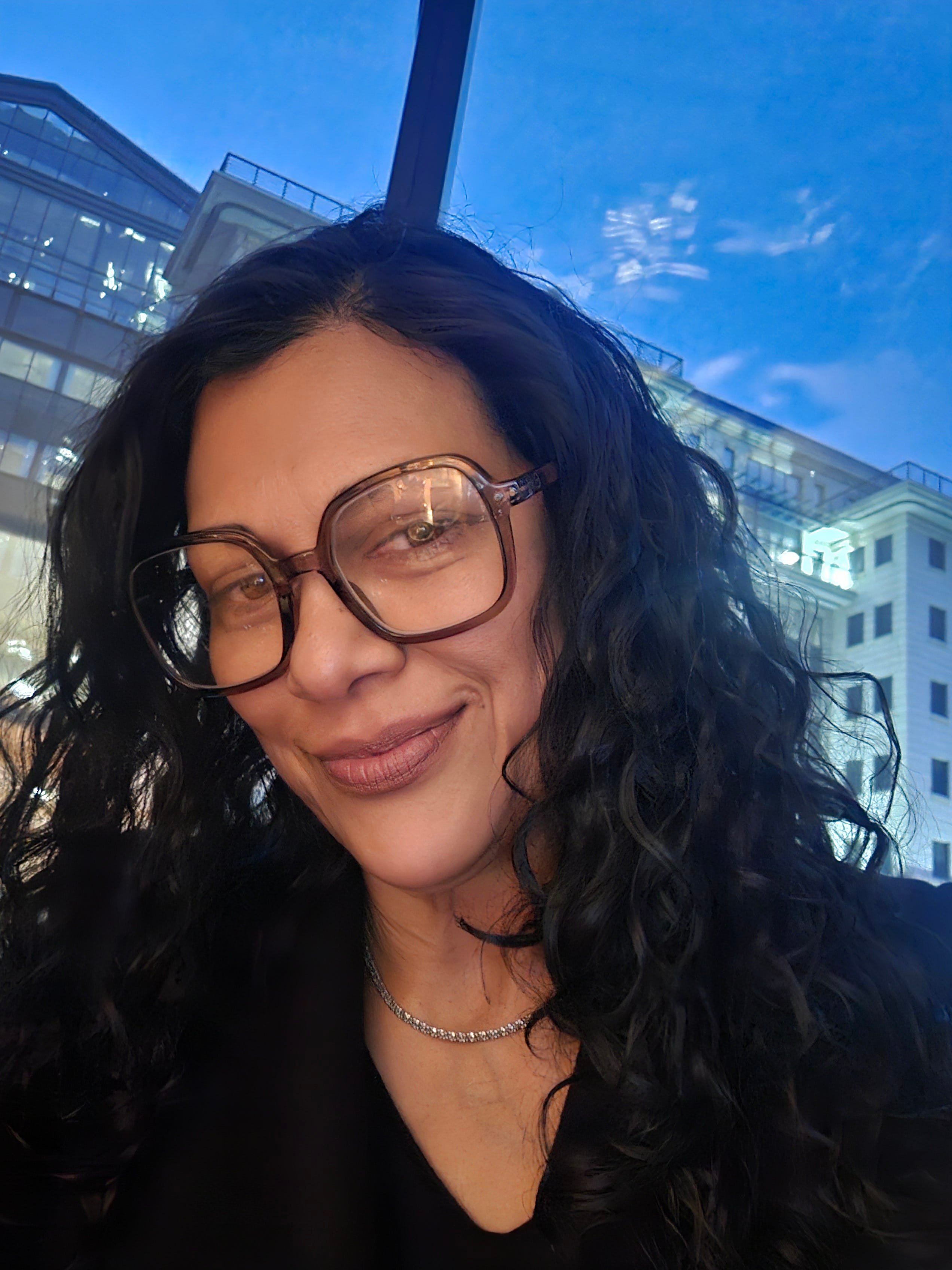
For 25 years, she has shaped reputations, guided decision‑makers and shown young women that integrity, intellect and courage can build a career at the highest levels.
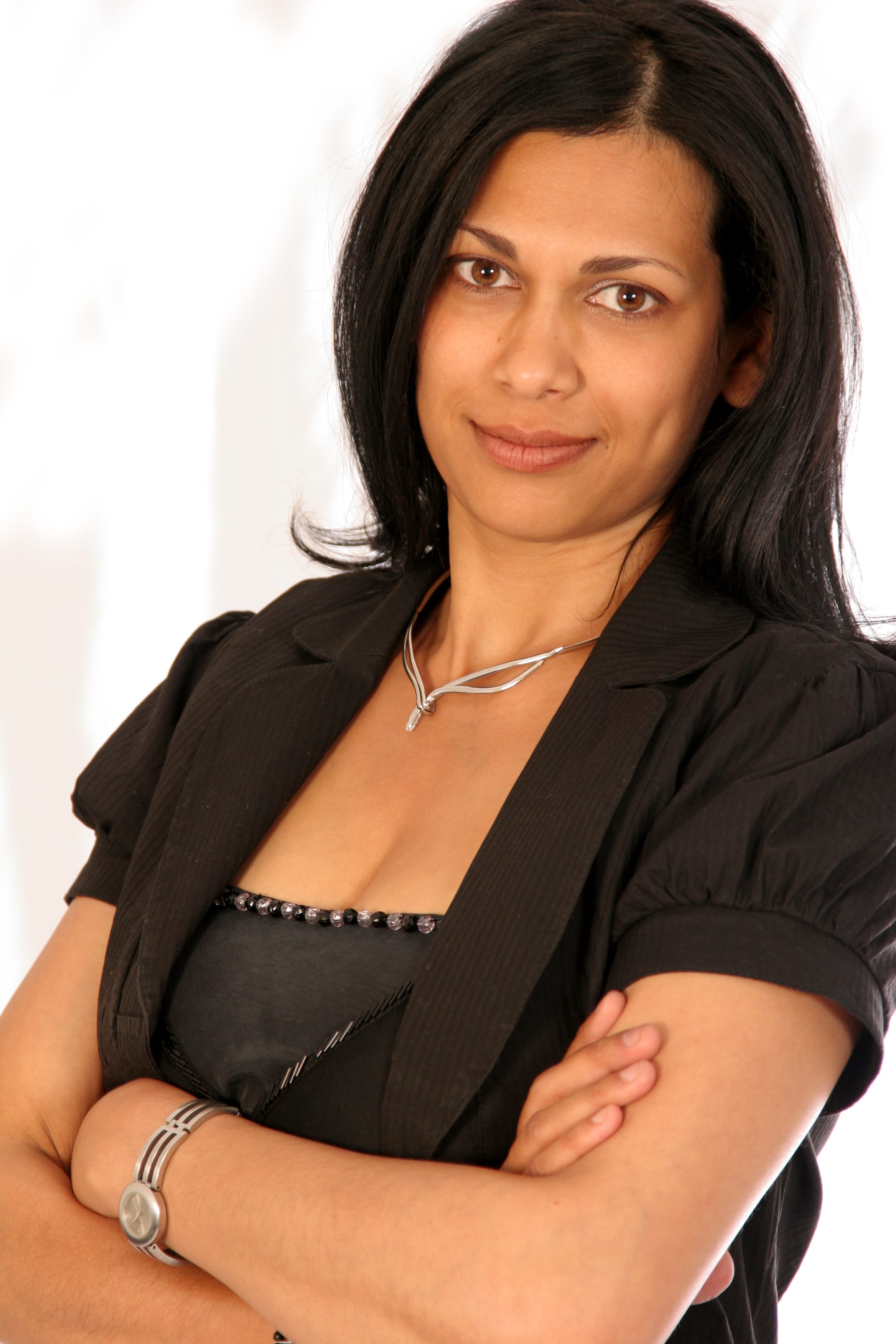
For a quarter of a century, Marlynie “Marls” Moodley has been the steady voice in the room where Africa’s most consequential decisions are made. While others occupy the spotlight, she occupies the space just behind it, the trusted adviser who helps company chairs, chief executives and founders understand how they are seen, how they are heard, and how their reputations withstand the moments that matter most.
Her journey from a close‑knit Durban childhood to the boardrooms of McKinsey, Bain, EY, CrossBoundary and the Africa Finance Corporation is a reminder that leadership comes in many forms. Some lead from the front; others lead by sharpening the thinking of those who do. Moodley has built her career on judgement, discretion and the courage to tell powerful people the truth, even when it is difficult.
Today, as founder and managing director of Shinjitsu no Koe, “voice of truth”, she works independently, advising institutions across Africa and beyond. Her work is rooted in clarity, integrity and a deep understanding of people, shaped by years of navigating crises, repositioning organisations and helping leaders find their authentic voice.
For young women imagining their futures, Moodley’s story offers a powerful lesson: you do not need a title to shape the world. You need curiosity, courage, and the willingness to step into rooms you once thought were out of reach.
Q&A
Who is Marls Moodley?
I’m a strategic communications and reputation adviser, and the founder of my own advisory practice, Shinjitsu no Koe. In simple terms, I help the people who lead organisations, including company chairs, chief executives and founders, think through how they and their institutions are seen and trusted. I help them navigate the moments that carry real risk or real opportunity. After 25 years advising others, I now do it independently, on my own terms.
Where were you born and raised?
I was born and raised in Durban and spent my younger years in KwaZulu-Natal.
Which primary and high schools did you attend?
We moved around a bit, so I attended four schools: Crescentridge Primary, Brindhaven Secondary, Risecliff High, and Mountview High.
What was life like growing up?
I grew up in a very close-knit family: my parents, two sisters and a brother. We were surrounded by many uncles, aunts and extended family- very much a community lifestyle, a time when kids played freely on the streets and outside; neighbours were close by and in and out of each other’s homes. On weekends, we often visited my grandparents or had family over; my mum has always been a great cook and wonderful entertainer. Picnics at the park and outings to the beach were a regular feature too. Growing up in a mid-income home, life was simple, yet we were happy and fulfilled. In my teenage years, I became more aware of the segregation and disparities that made up our country, which marked the beginning of my greater social and political consciousness.
Where did you study after school, and what did you study?
I studied a BA in Communications and Industrial Psychology at the University of South Africa. Since then, learning has never really stopped; I’ve completed numerous management, leadership and governance courses throughout my career, and continue to stay on top of the latest developments.
What are your hobbies, and how do you relax?
I love to cook, entertain and spend quality time with family and friends. Also love checking out the newest restaurants in my city or the best ones when I’m travelling, another passion of mine. I’m drawn to the arts; I serve on the board of Theatre Arts, a Cape Town-based NGO, and I believe storytelling and the creative arts help make sense of the world. Reading, reading and more reading, any chance I get, mainly non-fiction and, on the news front, global current affairs and geopolitics. Solo walks, meditation and my spiritual life are very important to me, and I make sure I find the time to turn inward, always.
How do you keep up with trends in your field?
Constantly, and deliberately. Reputation and communications, like every other sector, have changed fundamentally in the last two decades. I stay close to editors and journalists, and I pay attention to how new tools, including AI, are changing how stories are told and how quickly they travel. Much of my learning also comes from the leaders and institutions I work with; every engagement teaches me something.
When did you first “start” in this career, and what was that moment like?
My early career was in financial services, first in training and professional development before I was drawn to communications and public affairs. But the real turning point came when I moved into professional services and began advising senior leaders directly, sitting in the room where consequential decisions were made, trusted to give honest counsel.
Career
What is your current job title?
Founder and Managing Director of Shinjitsu no Koe, an independent strategic advisory practice.
How long have you been in this role?
I founded the practice in early 2024, so just over two years now.
Briefly describe what your job involves day-to-day.
No two days look the same, which is part of what I love about it. I advise chairpersons, chief executives and boards on reputation and strategy; I design and facilitate high-stakes leadership retreats and board sessions; I prepare leaders for major public moments, from speeches and interviews to difficult announcements, and I help them think through how to position themselves and their institutions. A lot of my work involves listening carefully, structuring conversations that need to happen, and then turning what emerges into clear decisions and a plan. And because I run my own practice, I’m also the business owner, so wholly responsible for building relationships, shaping proposals and carrying the responsibility for everything that goes out under my name.
Where are you based?
I’m based in Johannesburg, though I work across the continent and internationally.
What do you love most about your job?
The trust. To be the person a chief executive or founder turns to in a moment that really matters, and to be trusted to tell them the truth, not what they want to hear, is a genuine privilege. I also love the variety and depth: one week I’m facilitating a leadership retreat; the next, I’m helping protect an institution’s reputation through a difficult period. And after years of doing this inside big organisations, there’s a particular satisfaction in having built something of my own.
How did you get into this line of work?
I started in the financial services sector, moving from training and development into communications, then into senior roles at some of the world’s leading professional services firms and financial institutions, including McKinsey, Bain, EY, CrossBoundary and the Africa Finance Corporation. Each role took me closer to the centre of how organisations are led, until advising leaders directly became the heart of what I do. Founding my own practice was the natural next step: doing that work independently, with full ownership of the judgement I bring.
Was this always your dream career?
Not at all; I grew up with varied aspirations that were far from what I do now. As a youngster, I dreamed of being a dancer or involved in theatre arts in some shape or form; I was mesmerised by all things Shakespearean and loved Oscar Wilde. I also loved the arts and spent a lot of time charcoal drawing and sculpting. I was a keen debater at school too, and law was the career my parents always imagined for me, perhaps the one path we all agreed I might follow. As an avid reader from a very young age (the City Hall in Durban housed my favourite library), I travelled the world in my mind and encountered many cultures and people. But more than any of that, I have always been endlessly fascinated by people, who we are and why we do the things we do- so the humanities were a natural drawcard, and ultimately what led me to what I studied and where I am today.
What have been some highlights so far?
There have been many, and they’re not always the ones people expect. Leading the rebrand of the Africa Finance Corporation and delivering a summit that convened more than 2,000 global leaders was a proud moment. So was building McKinsey’s external presence across Africa and helping establish it as the pre-eminent voice on the continent. I’ve advised on senior international campaigns and navigated well over a hundred sensitive reputation matters over the years. But honestly, some of the highlights are quieter: a leader who found their voice, a board that reached a decision it had been avoiding, a young professional I mentored who has gone on to thrive. And founding my own practice, and seeing leaders choose to work with me directly, is a highlight that’s still unfolding.
Pros and Cons
What are the best parts of the job?
Influence and access. Being close to how important decisions are made. Variety, because the work is never the same twice. And meaning: helping leaders and institutions navigate their hardest moments with integrity is genuinely fulfilling.
What are some of the challenges?
It carries real pressure. When you advise at the top, the stakes are high, and the responsibility is yours. Much of the work is confidential, so you often can’t speak about your biggest contributions. The hours can be demanding, especially in a crisis, and you have to be comfortable delivering uncomfortable truths to powerful people. Running your own practice adds another layer, as you carry the business as well as the counsel.
What type of personality suits this career?
Someone with sound judgement, discretion and emotional intelligence. You need to be a strong listener and a clear thinker, calm under pressure, and confident enough to hold your ground with senior people while remaining genuinely useful to them. Curiosity helps enormously, about business, people, politics and the world. And integrity is non-negotiable; your credibility is everything you have.
Is it well-paying? Are there good benefits?
It can be a rewarding career financially, particularly as you become more senior and your judgement becomes the thing people pay for. In-house roles come with the usual salary and benefits; independent advisory work, like mine, trades security for autonomy and the ability to shape your own path. The real “benefit”, though, is the access and the relationships. You work alongside remarkable people and never stop learning.
Can you work in other countries with this qualification?
Absolutely. Communications, reputation and advisory skills travel exceptionally well. I’ve worked across Africa, the Middle East and the UK, and the fundamentals, from judgement and trust to the ability to shape a narrative and protect a reputation, are valued everywhere. It’s a career that can genuinely be global.
What education or training is needed? Which matric subjects help?
A background in communications, journalism, marketing, business, law, politics, or psychology provides a strong foundation, but there’s no single fixed route, and experience matters as much as qualifications. At matric level, subjects that build strong writing, critical thinking and confidence with language are the most useful: English and languages, History, and Business Studies are all excellent starting points.
How long does training take, and is it expensive? Do you need ongoing training throughout your career?
A first degree typically takes three to four years, and costs vary widely depending on where you study. But the truth is, learning never stops in this profession. I’ve done many courses and programmes throughout my career, and I still learn from every engagement. If you enjoy growing and evolving, that’s a feature, not a burden.
Are bursaries, loans or scholarships available?
Yes. Many universities offer bursaries and financial aid, and there are scholarships aimed specifically at young women and first-generation students. Schemes such as NSFAS support qualifying students at public universities and colleges, and individual institutions, foundations and companies often fund communications, humanities and business studies. It’s well worth researching early and applying widely.
Where can one study for this career?
South Africa has excellent options. Most public universities offer communications, journalism, marketing, business or public relations qualifications, as do many universities of technology and private colleges. The most important thing is to choose an accredited institution and a course that builds strong writing, thinking and communication skills.
What should a young person do first if they want to follow this path?
Start writing, start reading, and start paying attention to how organisations and leaders communicate, what works, what doesn’t, and why. Volunteer to help with communications for a club, a cause or a small organisation. Seek out internships, and don’t underestimate the value of simply being curious and reliable. Early on, your attitude and your willingness to learn matter as much as any qualification.
Advice for the Young at Heart
What advice would you give someone thinking about this career?
Build your judgement and your integrity, because those are what people ultimately come to rely on. Learn to write well and think clearly. Those two skills will open more doors than you can imagine. Be curious about the world. And don’t be afraid to take an unconventional path; some of the most valuable experience comes from rooms you weren’t sure you belonged in. Trust that you belong there.
Is there a shortage of people in this field, in SA or globally?
There are plenty of people in communications, but there is a real shortage of genuinely strategic, trusted advisers, people who can sit with a chief executive and add real value to their thinking. As you become more senior and more trusted, the demand for you grows. Excellence is always scarce.
What other similar jobs exist in your industry?
Plenty: corporate communications manager, public relations specialist, media strategist, brand manager, spokesperson, investor relations professional, public affairs and government relations adviser, speechwriter, and reputation or crisis consultant. Many of these connect to marketing, journalism, policy and strategy, so there’s enormous room to move and grow.
Looking back, what would you have done differently?
While my path did not play out how I expected, I believe everything happened exactly as it should have, and each experience prepared me for the ones that followed; for that, I am very grateful. I prefer not to concern myself with how things could have been different had I done something differently in the past. The moment to make changes and do things differently is now, and should always be in the present; anything else wastes energy.
Tell us about a teacher or mentor who inspired your journey.
I cannot say there is one or two people. If you are open to listening and learning, you begin to see that incredible people are all around us, doing phenomenal things, often against great adversity and struggle. Those are the people who inspire me, far more than any well-known name. Inspiration is everywhere, if you are willing to see it and appreciate it.
Where does one study for a career in communications?
Communications, journalism, public relations, marketing and business qualifications are offered at most South African universities and universities of technology, as well as many accredited private colleges. Financial aid options include NSFAS (for qualifying students at public universities and TVET colleges), university-specific bursaries and merit scholarships, and funding from foundations and companies that support humanities, business and communications students.
SOCIAL MEDIA HANDLES
Website: www.shinjitsunokoe.com
LinkedIn: https://www.linkedin.com/in/marlyniemoodley/\
©Higher Education Media Services — www.ednews.africa