


The National Lotteries Commission (NLC)’s funding is helping community organisations move beyond immediate relief efforts by equipping South Africans with practical skills, income opportunities and pathways to employment.
This comes as unemployment in South Africa has risen to 32.7%, with more than 4.7 million young people currently without work, highlighting the urgent need for programmes that build sustainable livelihoods.
In KwaZulu-Natal, NLC-funded programmes support organisations that provide immediate relief while also creating vocational training and income-generating opportunities.
From survivors of gender-based violence starting small businesses to young people gaining recognised lifeguard qualifications, various initiatives are creating opportunities that extend beyond individuals, to families and wider communities.
Pravisha Dhanapalan, Director at LifeLine Durban, says NLC funding has strengthened programmes supporting survivors of gender-based violence through psycho-social support, skills development and economic empowerment.
“We were able to equip 160 GBV survivors with vocational skills and starter kits so that they’ve been able to start their own small businesses in areas like detergent and perfume making, baking, cashier training and forklift operation, helping as many as 75% of them to start their own small businesses and generate sustainable income,” says Dhanapalan.
One particularly encouraging beneficiary success story is that of a survivor, formerly a sex worker who experienced physical abuse, who has since rebuilt her life through skills training and a month-long stay in a LifeLine shelter.
Dhanapalan explains, “She went on to establish a small business and has now secured a distributorship to supply detergents to organisations like LifeLine Durban. This has enabled her to reunite with her children and regain custody of them.
She also now employs three other women from the LifeLine entrepreneurship programme. The NLC funding has allowed us to provide a more holistic and comprehensive approach to supporting our survivors of GBV.”
Meanwhile, Lifesaving KwaZulu-Natal says the funding they received from the National Lotteries Commission has allowed them to play a growing role in tackling youth unemployment while improving water safety in coastal communities.
With funding for critical lifesaving equipment for voluntary lifesaving clubs across the province, Lifesaving KwaZulu-Natal is improving safety at voluntarily manned beaches and pools and training new lifeguards with recognised qualifications.
Chairman of Lifesaving KwaZulu-Natal, Troye Brown, says, “Lifesaving KwaZulu-Natal qualifies around 120 lifeguards annually, with many going on to secure seasonal, part-time or full-time employment opportunities. NLC’s assistance has allowed us to develop new lifeguards as well as upskill qualified lifeguards with new skills and qualifications.”
In Mpumalanga, the NLC is supporting organisations like the Topsy Foundation, which has for over two decades worked alongside vulnerable communities to address challenges including poverty, food insecurity, limited access to healthcare, unemployment, and inadequate early childhood development support.
Today, the Foundation provides for more than 5,000 children at numerous ECD centres in the Gert Sibande District.
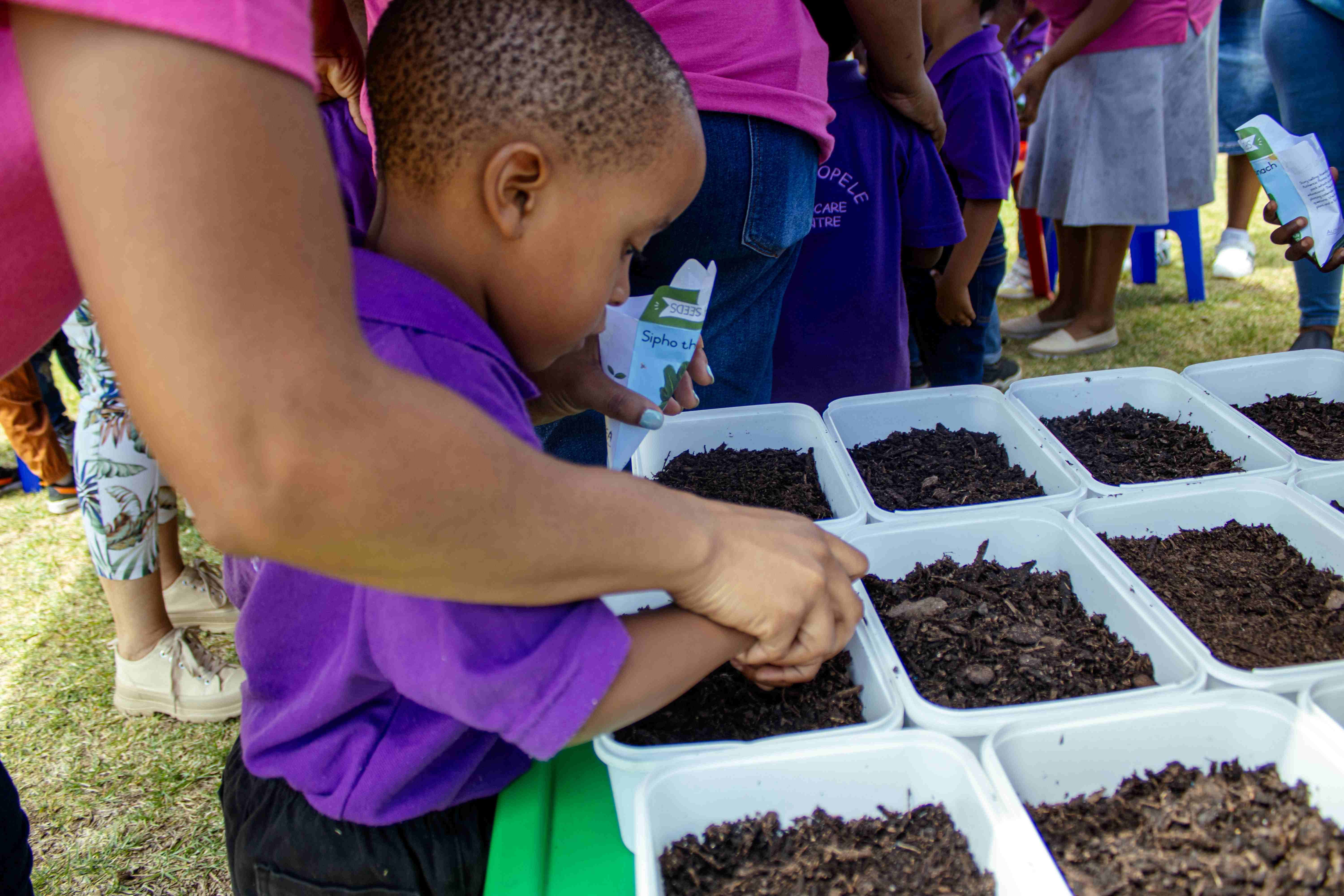
While the funding is primarily being used to strengthen Topsy’s ECD programmes through resources, transport support, and vegetable garden initiatives, it has also had an important impact on employment.
Project Manager at the organisation, Meikie Mashinini, says the funding has indirectly enabled Topsy to create a number of permanent jobs. Mashinini says, “Eleven women have recently been employed, including eight community field workers who serve the ECD centres, as well as three office-based staff members.
“In a community facing high unemployment, this funding is sustaining livelihoods and recognises the commitment of these women who contributed meaningfully to our organisation even when we couldn’t provide full-time employment.”
During the 2024/2025 funding cycle, R804,533,451.32 was allocated to community and charitable initiatives across South Africa. The NLC’s Commissioner, Jodi Scholtz, concludes, “Importantly, we are shifting away from simply measuring how funding is spent, towards evaluating the long-term results and social change taking place within communities as a result. The real impact of funding is ultimately reflected in the livelihoods created, the dignity restored, and the opportunities unlocked within communities.”
The NLC continues to strengthen its monitoring and evaluation processes to better assess long-term community impact and sustainability.
©Higher Education Media Services.