


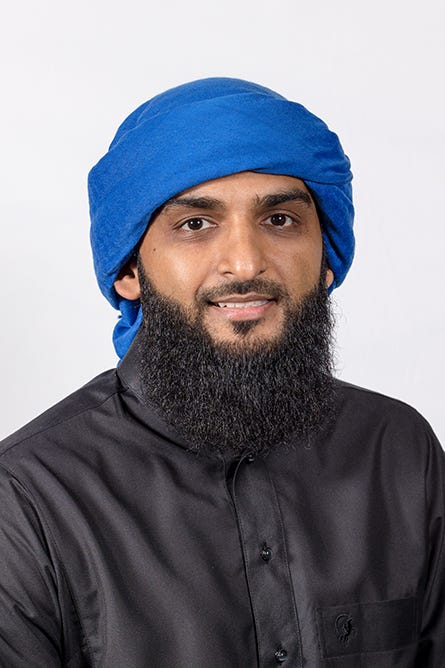
Nelson Mandela University has moved to clarify the circumstances surrounding Deputy Minister of Higher Education and Training Yusuf Cassim’s planned visit to its campuses, after the Deputy Minister’s office issued a statement accusing the institution of refusing to “recognise and collaborate” in hosting the engagement.
In a detailed response, the University said it values constructive engagement with the Department of Higher Education and Training (DHET), but emphasised that it also has a legal and ethical responsibility to safeguard students and staff and ensure that academic activities are not unnecessarily disrupted.
Short notice, a contested SRC election, and safety concerns
According to the University, it was first informed of the Deputy Minister’s intended visit on 11 September 2026, just seven days before the proposed programme. The timing immediately raised several governance and operational concerns:
Only four working days were available to accommodate the programme.
Senior management would have had to reconsider longstanding commitments, including preparations for a scheduled Council meeting.
The visit was planned across two campuses, including weekend activities, coinciding with the start of a highly contested SRC election on 21 September.
The programme contemplated mobilising large numbers of students, with significant implications for safety, security, health and academic continuity.
The University said it initially acknowledged and welcomed the visit, noting that it has previously facilitated oversight engagements by the Ministry and visits by political leaders. However, it stressed that political parties organise their own programmes and assume responsibility for associated risks, while universities must comply with statutory and regulatory obligations relating to safety, health and academic operations.
Security assessment shared with the Deputy Minister’s team
Following internal review, the University said a security assessment identified “emergent concerns,” which were shared with the Deputy Minister’s security detail. These concerns were compounded by the proximity of the SRC elections and the potential mobilisation of thousands of students.
The University rejected the claim that it “declined” the visit, saying its communication made clear that it had “neither the entitlement nor the inclination” to prevent an official engagement. Instead, it sought to identify arrangements that would allow the visit to proceed safely and responsibly.
University proposed alternatives — none accepted
To balance the Deputy Minister’s objectives with institutional obligations, Nelson Mandela University proposed:
Proceeding with the visit under an agreed allocation of responsibilities and liabilities for the planned activities; or
Rescheduling the visit to a time when its stated purposes could be achieved more effectively and with lower risk.
The Ministry did not accept these alternatives.
Regret over instability ahead of SRC elections
The University expressed regret that the dispute has created instability on the eve of what had been a “robust and peaceful” build‑up to the SRC elections. It warned that engagements intended to advance student interests should not inadvertently disrupt the academic environment in which those interests are realised.
Call for balanced, respectful engagement
Nelson Mandela University reaffirmed its commitment to working constructively with the Deputy Minister and DHET, but said such engagement must respect:
academic freedom
student and employee safety
continuity of the academic programme
the discharge of official responsibilities
legal, regulatory and governance obligations
The University said it remains available to discuss arrangements that advance the Deputy Minister’s objectives while ensuring these responsibilities are appropriately balanced.
Deputy Minister criticises varsity about turn
In a statement, the Deputy Minister notes the unfortunate posture of the institution’s management in refusing to recognise and collaborate in hosting the visit. The institution had initially confirmed and supported the visit, but later changed its position, citing alleged security concerns. By then, all travel and logistical arrangements had been made, and all stakeholders were en route, based on NMU’s earlier written confirmation and welcome.
The Deputy Minister's office subsequently informed the institution that it was too late to postpone the visit, as per their request, given the travel logistics and cost implications.
The Deputy Minister, an alumnus and former SRC President of Nelson Mandela University, remains committed to supporting the institution and its students, as shown by his visit today and the work done to restore NSFAS funding for the Extended Studies programme at the institution, the statement said.
©Higher Education Media Services.