


The Chinese automotive invasion shows no signs of slowing down. Every few months, another SUV arrives promising more features, technology and perceived better value than the established players. The latest to cross my path was the Omoda C7.
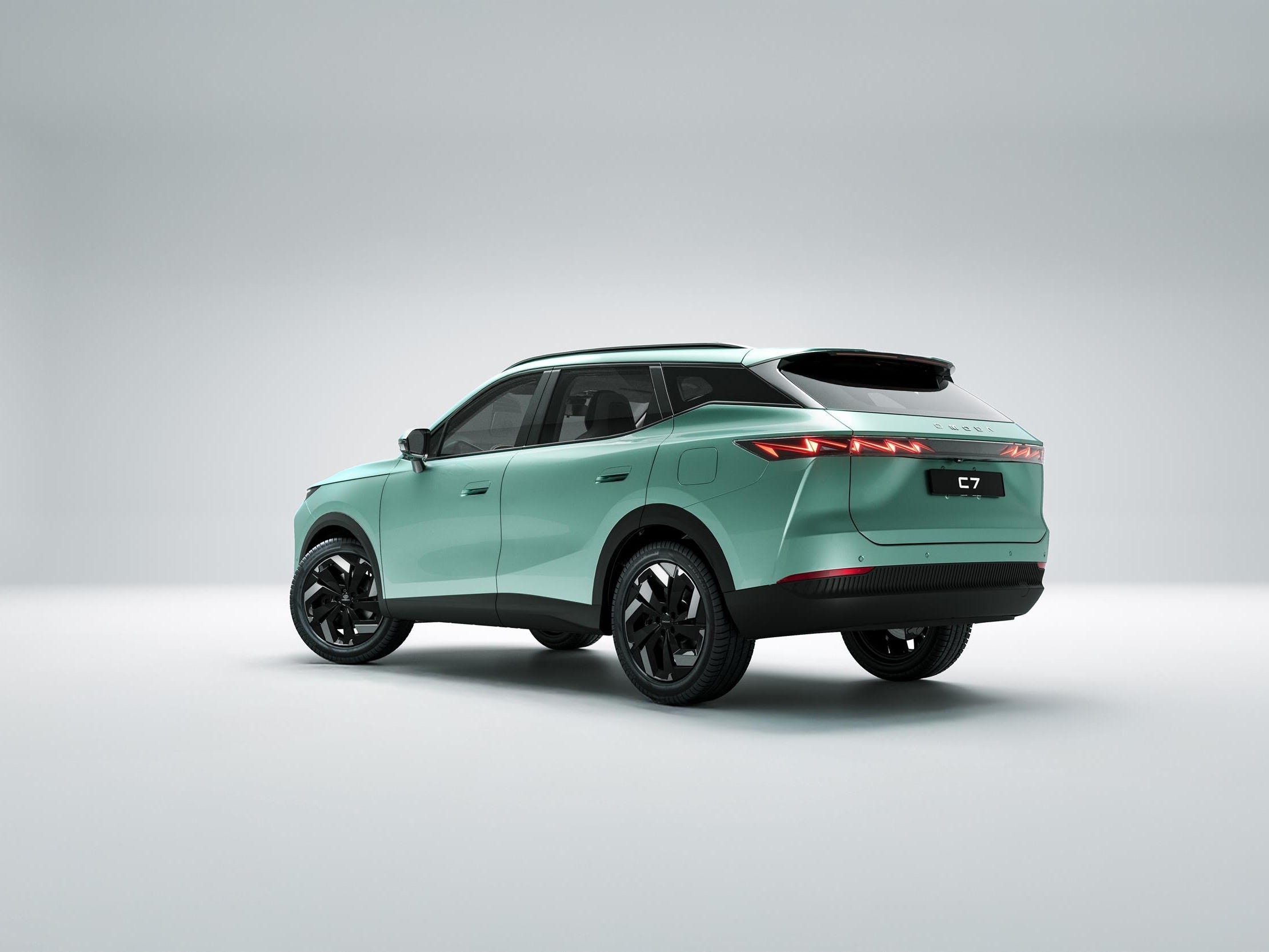
Beauty is in the Eye of the beholder, as they say; the C7 is neither a hit nor a miss with its looks. My test unit arrived finished in a bright lime-green paint scheme paired with 19-inch alloy wheels. The defining feature is its X-shaped frameless grille, giving the front end a futuristic edge.
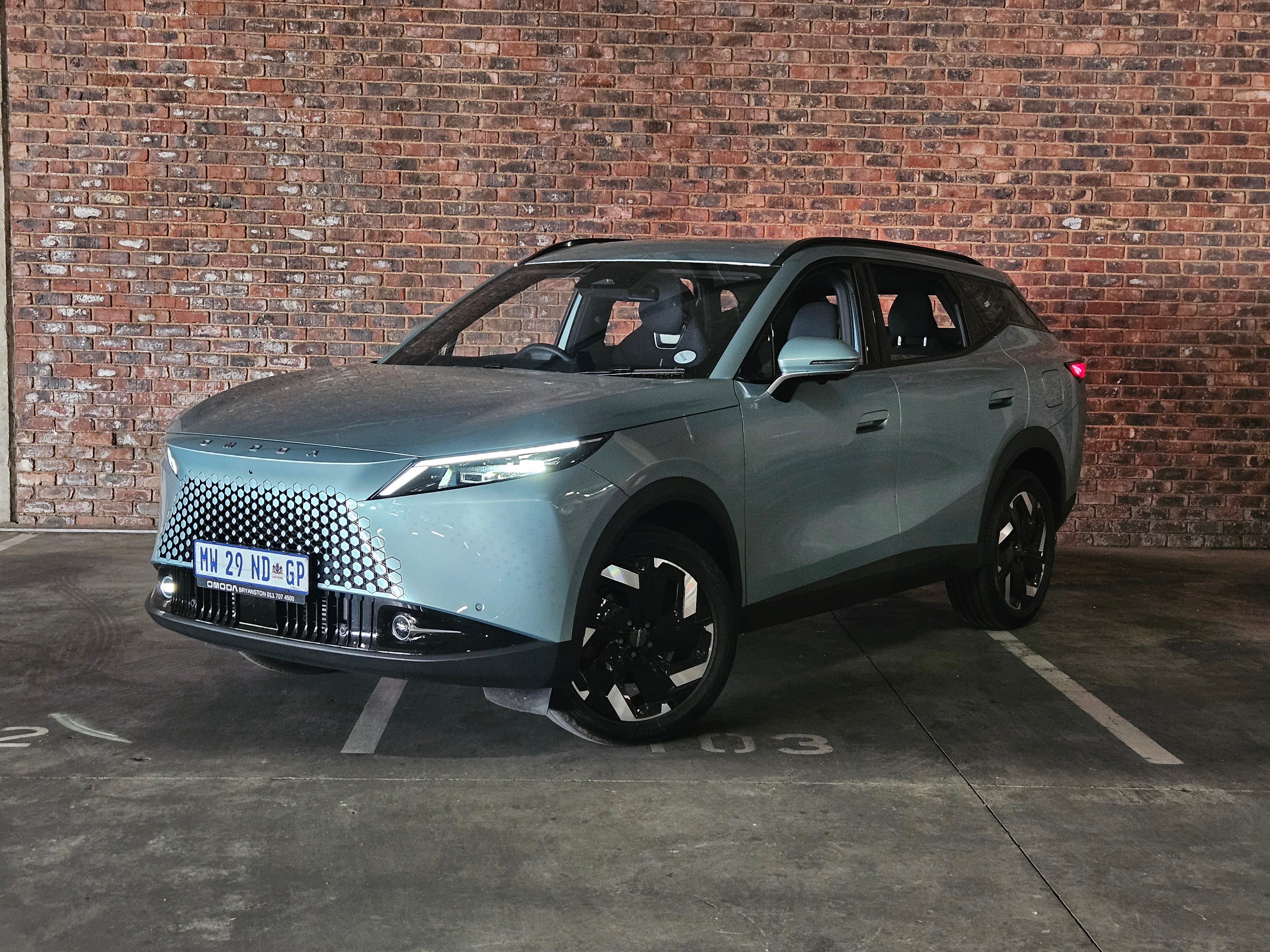
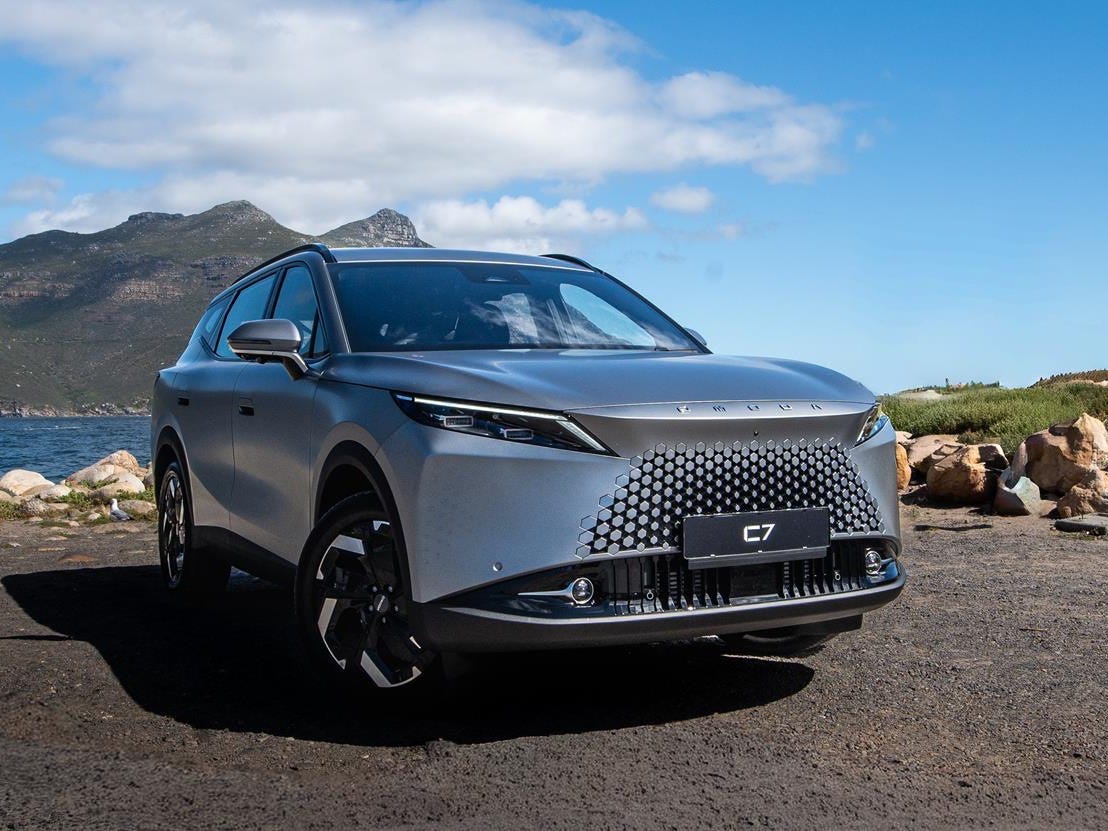
Slim LED headlamps, integrated daytime-running lights, and sharp body lines add to the appeal. Some people will love the design. Others won’t. I’m still a little undecided.
But things get better inside. The C7 is specification-rich, featuring leather seats, a panoramic sunroof, a large infotainment display and a compact digital instrument cluster.
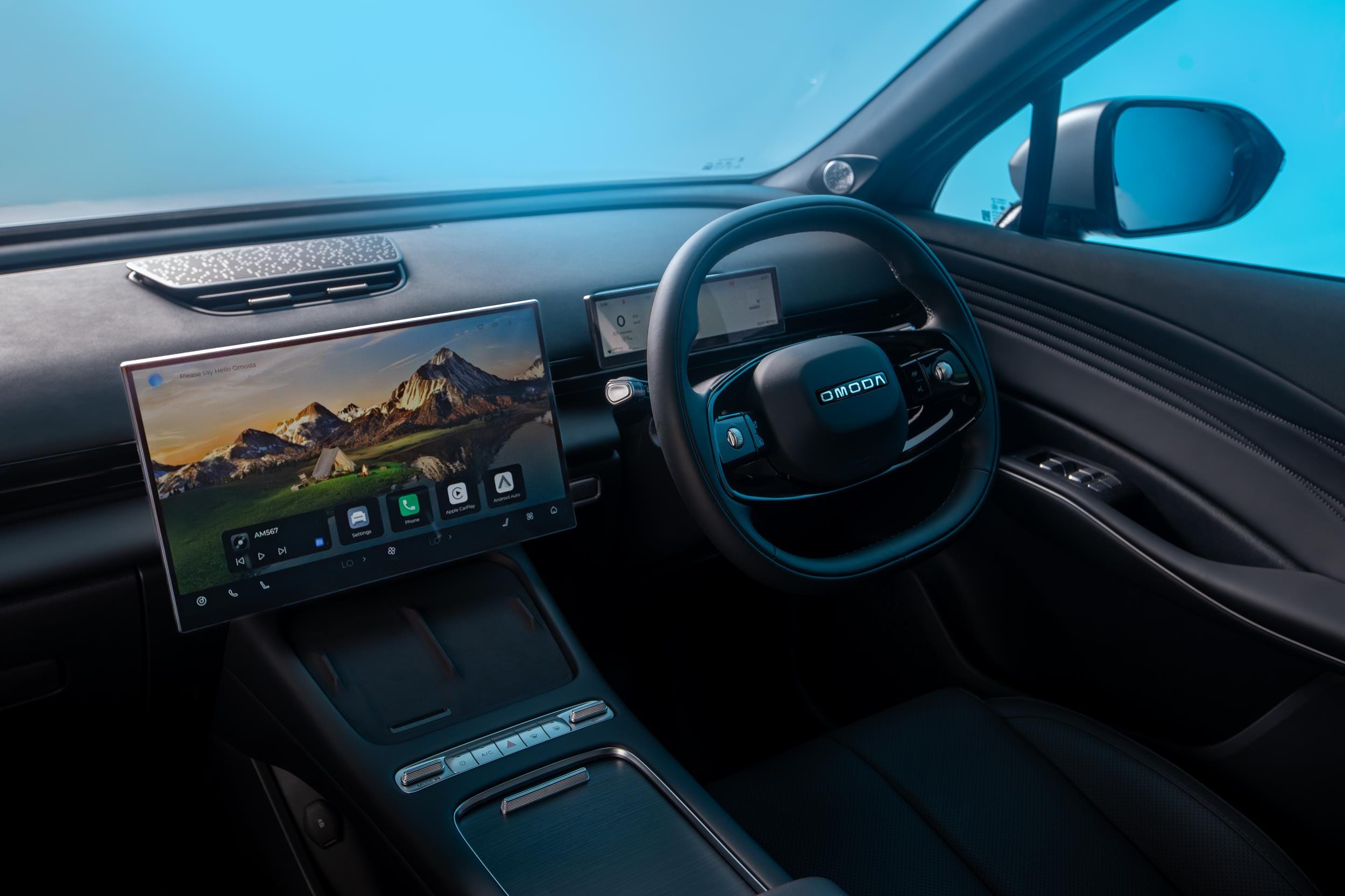
There are also more than 21 driver-assistance systems onboard. While that’s impressive, the constant beeps, warnings and alerts can become irritating after a while. The cabin itself is modern and minimalist; however, it lets itself down. Many Chinese vehicles are starting to look similar inside. The layouts, screens and materials often blend into one another, making it difficult for individual models to establish a unique identity.
It’s distracting too to hunt for things on the infotainment touchscreen whilst driving; furthermore, the brightness at night can be too much. You can adjust it, but now you always have to remind yourself to do so.
Another qualm is that the vehicle will only be allowed to drive once your seat belt is fastened. I am an advocate for safety, and most days people are reckless and irresponsible; you must buckle up, but in this case, in an emergency, it means you need to strap up before you hurry off. Imagine a hijacking or robbery, or even innocently moving and parking your car in the garage. I hope this gets removed in later models.
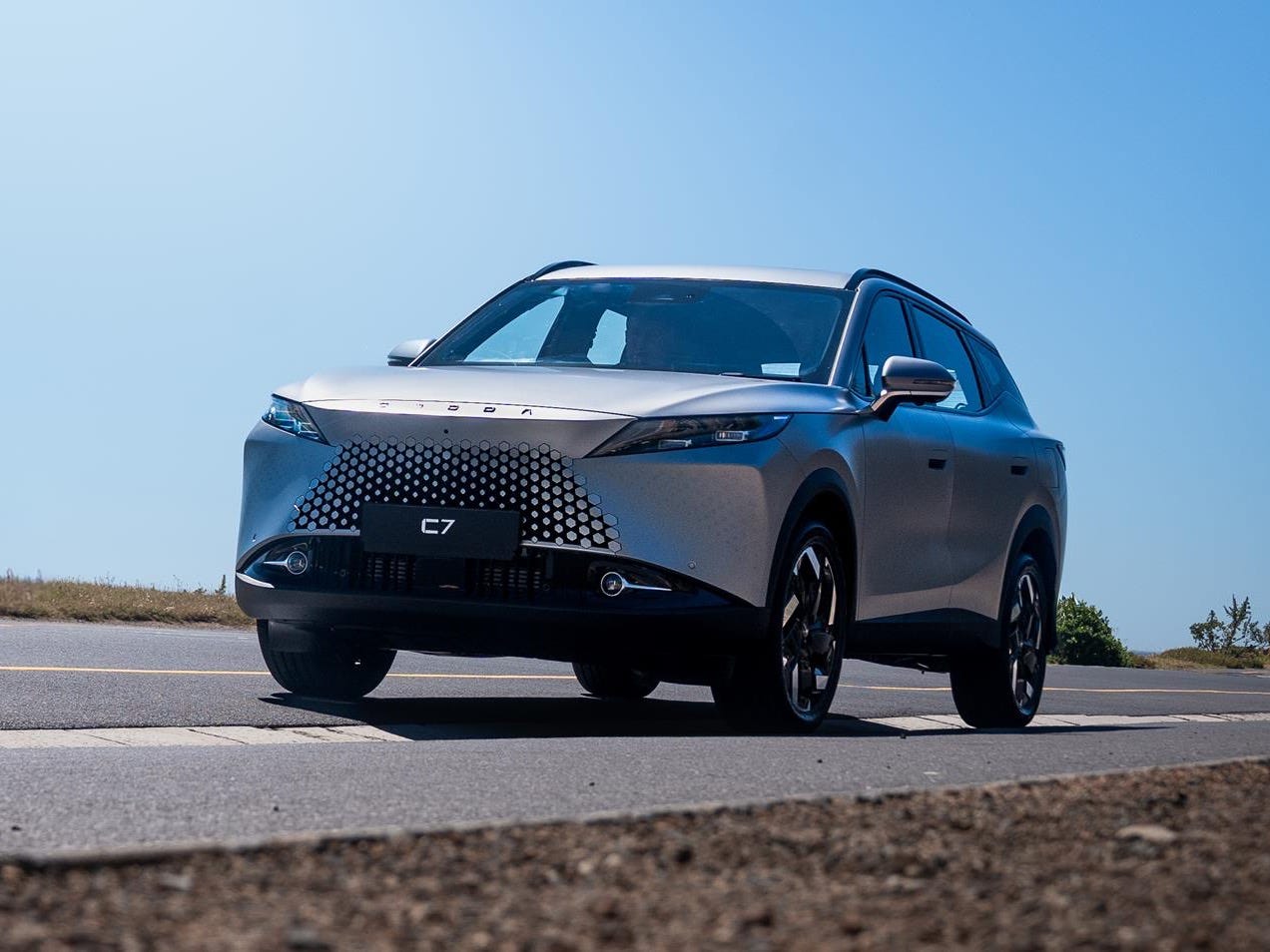
Power comes from a 1.6-litre turbocharged petrol engine mated to a six-speed dual-clutch transmission. The drivetrain feels responsive and delivers enough performance for daily driving duties.
Around town, the C7 feels eager enough, while the transmission shifts smoothly and responds quickly when called upon.
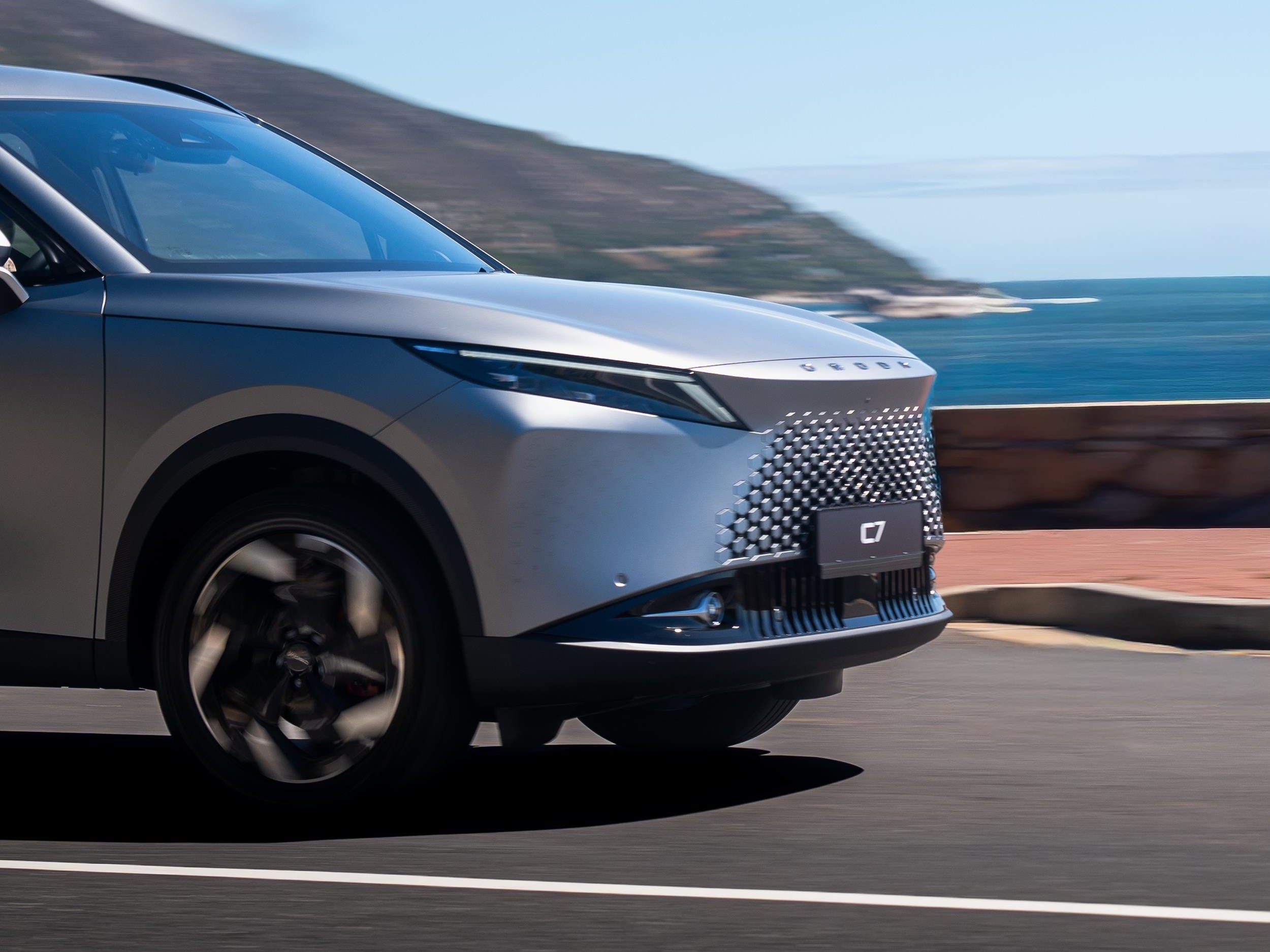
Ride quality is adequate, but torque steer is evident, and the car feels floaty in corners, almost as if you don’t fully trust it. But to be frank, there are worse options, like the Jetour Dashing, which feels hesitant and lumpy; the C7 comes across as the more polished product.
Fuel consumption during my time with the vehicle averaged around 10.0 L/100 km. I’d go for the hybrid if you had extra cash to splurge; it makes up for the efficiency. At approximately R589,000, the Omoda C7 brings plenty to the table. The challenge is that competition around the R600,000 mark is fierce.
Plenty of established rivals are fighting for buyers’ attention, and that’s where the C7’s value proposition will be tested.
While I’m not completely sold on its styling or some of its cabin quirks, the C7 feels well sorted overall. In a crowded market, that’s already half the battle won.
© Higher Education Media