


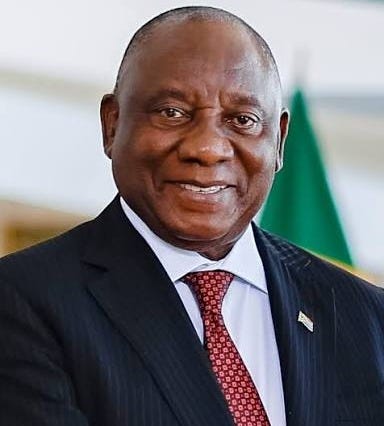
With local government elections just days away President Cyril Ramaphosa has called on South Africans to turn out in large numbers, describing Wednesday’s vote as one of the biggest electoral contests in the country’s democratic history.
South Africans will head to the polls on 4 November to elect leaders for eight metropolitan municipalities, 44 district municipalities and 205 local municipalities. The election features 546 political parties and nearly 137,000 candidates, reflecting what Ramaphosa said was the continued growth and maturity of South Africa’s democracy.
He highlighted the strong participation of women and the growing number of independent candidates as signs of a vibrant democratic system.
“Every election since 1994 has been free and fair, and public trust in the Independent Electoral Commission remains high,” Ramaphosa said.
The President appealed for voters, political parties and candidates to ensure the election is peaceful and free from violence and intimidation. He said the South African Police Service had spent months conducting risk assessments, operational planning and simulation exercises, and was ready to safeguard voting day.
Ramaphosa stressed that local government plays a critical role in improving people’s lives, as municipalities are responsible for delivering essential services such as water, sanitation and electricity.
Reliable municipal services are also vital for economic growth, he said, as businesses are more likely to invest in areas with stable infrastructure, effective governance and safe communities.
The President noted that newly-elected municipal leaders would take office at a pivotal moment, with government embarking on a major overhaul of the local government system.
A key part of that reform agenda is the recently launched White Paper on Local Government, which proposes sweeping changes aimed at improving municipal performance, accountability and financial sustainability.
Among the reforms are stronger financial controls, improved revenue collection, tighter spending oversight and measures to reduce losses.
One of the most significant proposals is that income generated from the sale of water and electricity will be ring-fenced and reinvested in maintaining and upgrading critical infrastructure.
The White Paper also proposes compulsory licensing for all water and electricity service providers, requiring them to meet minimum competency standards.
Where municipalities are unable to fulfil specific responsibilities, those functions should be transferred to institutions better equipped to deliver them, Ramaphosa said.
The President acknowledged that weaknesses in the current local government system have created opportunities for corruption, patronage and poor governance.
He said some municipal officials had colluded with business interests to secure tenders for poor-quality services or projects that were never delivered.
Political contestation over power and access to resources at municipal level had also contributed to violence, including disruptions of council meetings and the killing of councillors, ward candidates and municipal officials.
Ramaphosa warned that local government positions had, in some instances, become vehicles for personal enrichment rather than public service.
“We are working to put a stop to these practices,” he said.
The President said citizens have an important role to play in restoring confidence in local government by electing competent and ethical leaders.
Municipal failures have contributed to declining trust in democratic institutions, but the election presents an opportunity to rebuild confidence and strengthen local government as a driver of development.
With a record range of parties and candidates on the ballot, Ramaphosa said voters have more choice than ever before.
“Let us strive for better, safer, cleaner and more prosperous communities. Let us vote for progress and development,” he said.
He urged South Africans to use their vote to help ensure local government fulfils the promises of the Constitution and delivers meaningful improvements in people’s daily lives.
©Higher Education Media Services.