


The compact luxury SUV segment has become increasingly crowded. New Chinese entrants are arriving with impressive technology, competitive pricing and lengthy specification sheets, forcing established premium marques to work harder than ever to justify their existence.
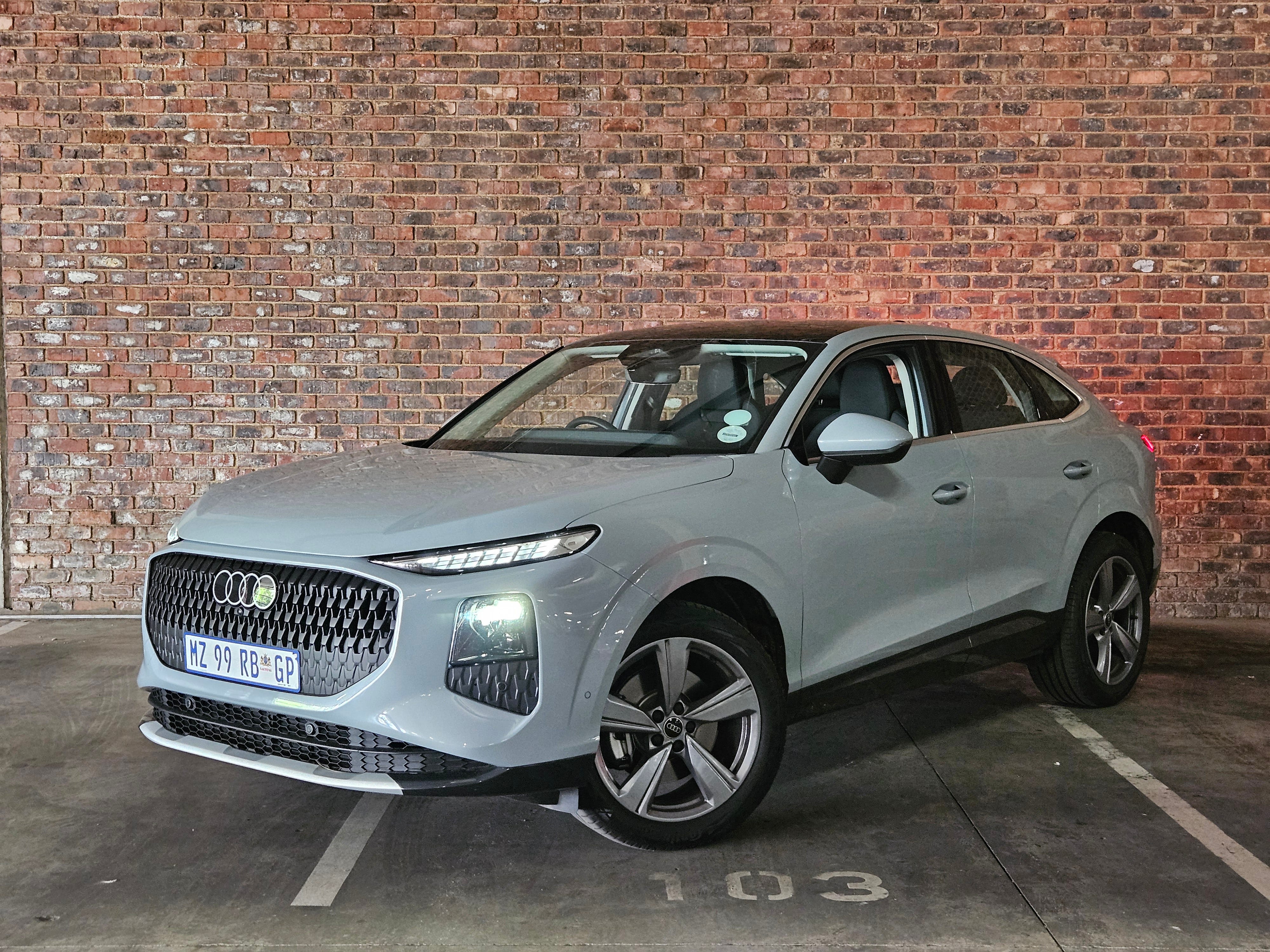
Enter the refreshed Audi Q3 35 TDI. The German manufacturer has refined an already competent package, but can the four rings push back amid these changing times?
At just over R1 million, that begs the question: can the average South African afford this? In short, no. This is where newer entrants are bridging the gap, but that brings its own set of problems, as I can attest. Some offerings have been poor, while after-sales service can be a mixed bag. I think it will become a case of the haves and the have-nots. Moving along to the swanky new Q3.
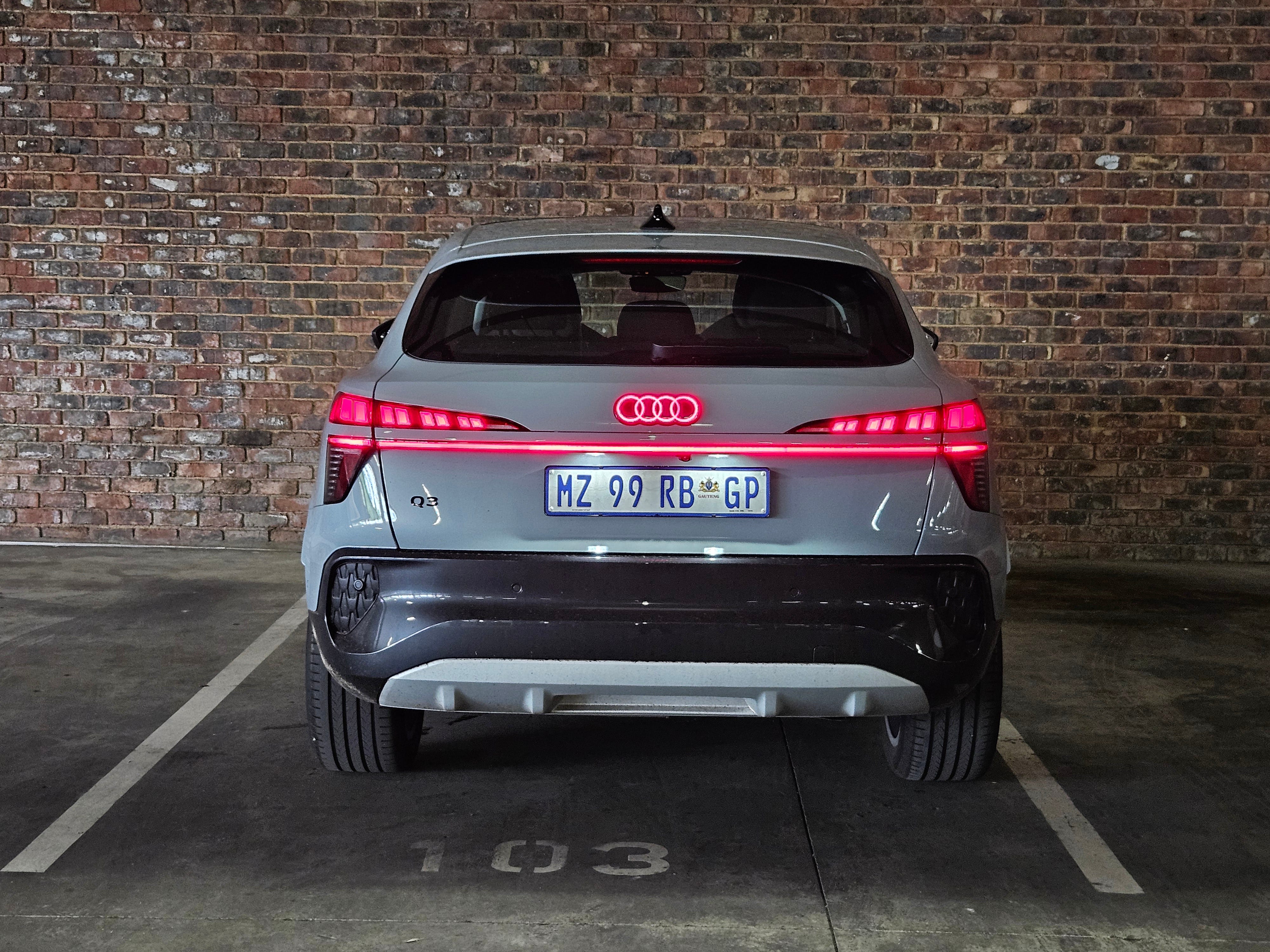
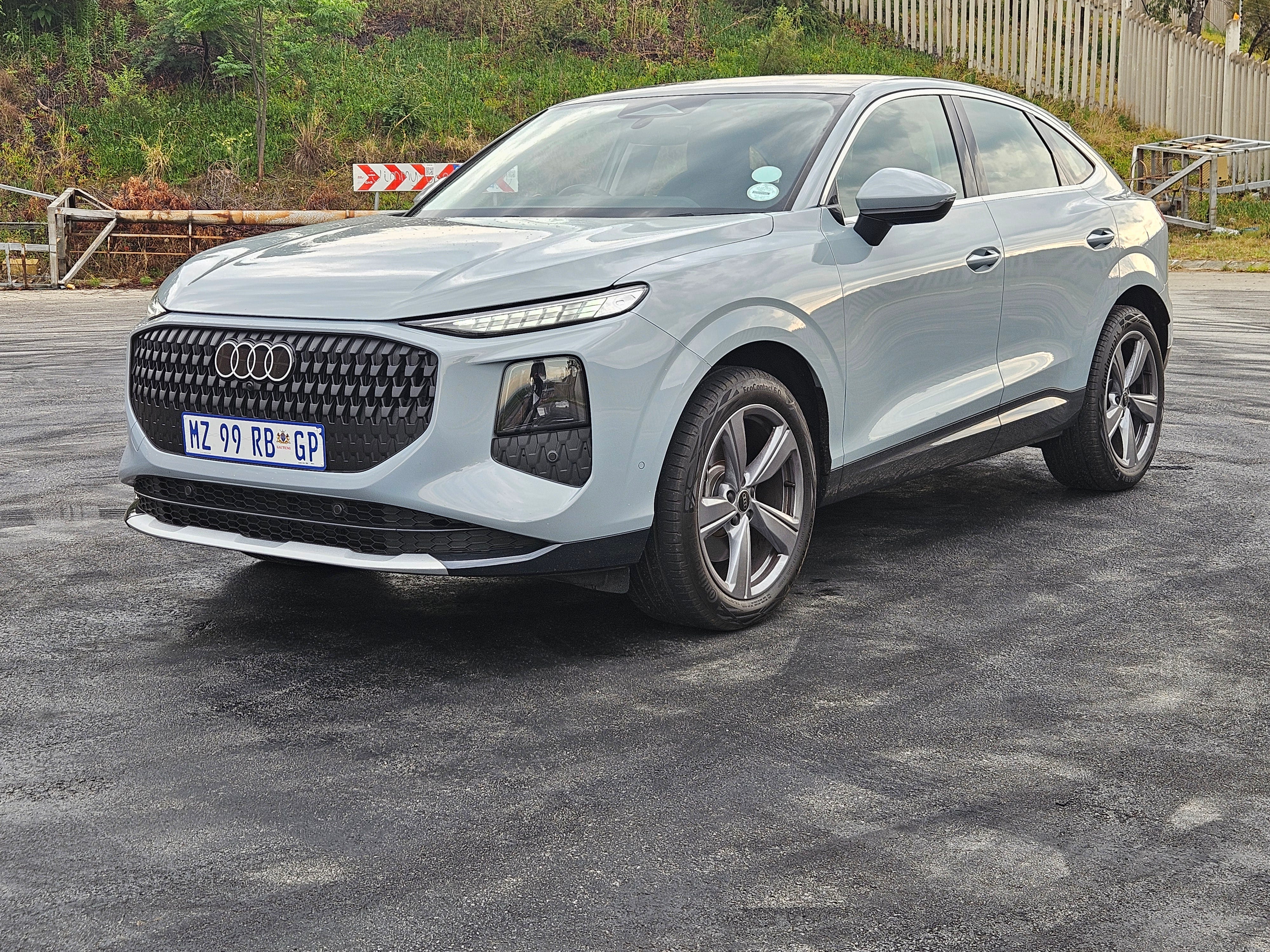
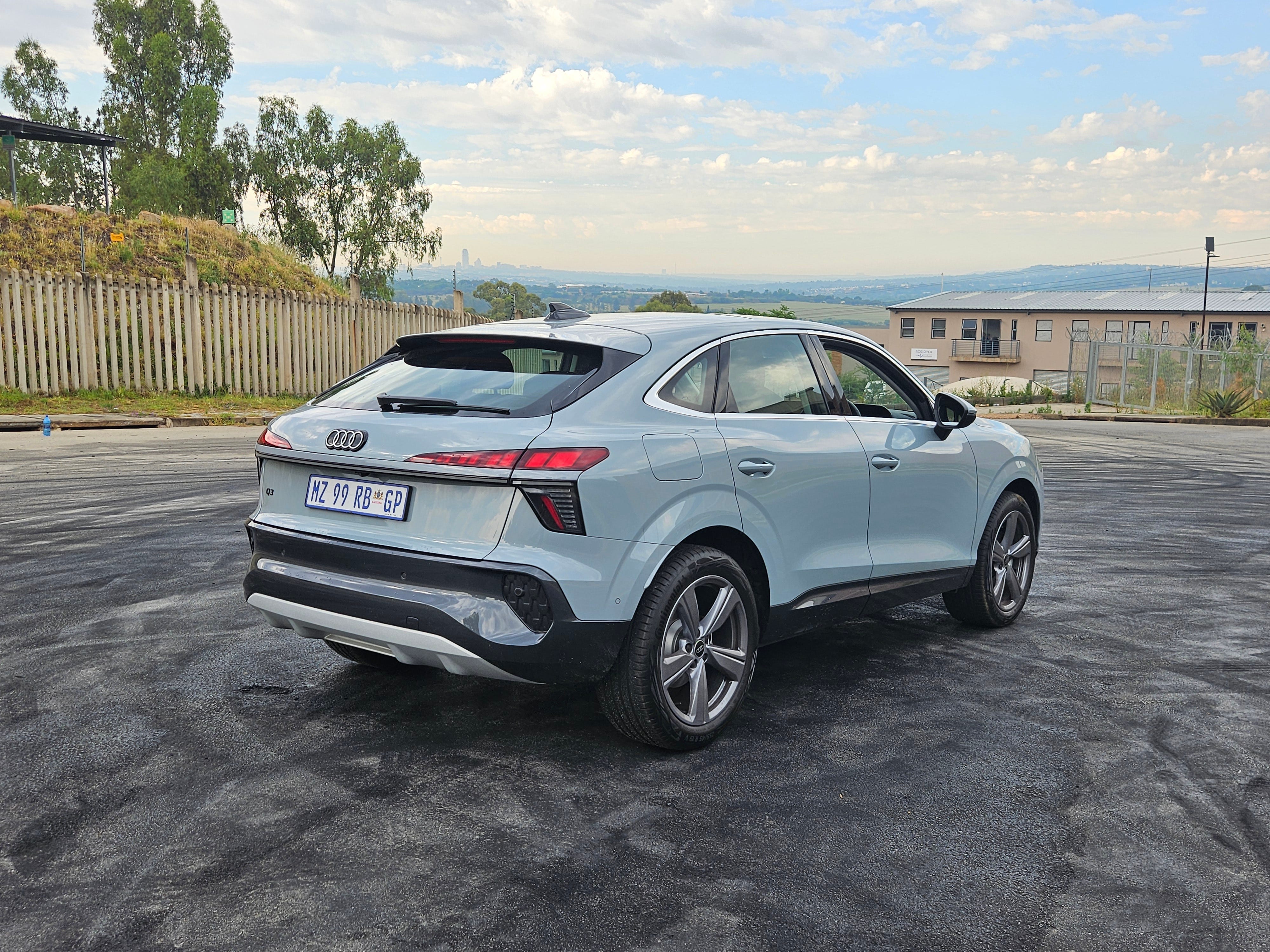
The most obvious changes come from the revised grille and new Matrix LED headlights, which give the Q3 a more assertive face. Around the rear, Audi has fitted OLED taillights that add a touch of sophistication. The catch? Those headlights and rear OLED lights cost around R20,000 each.
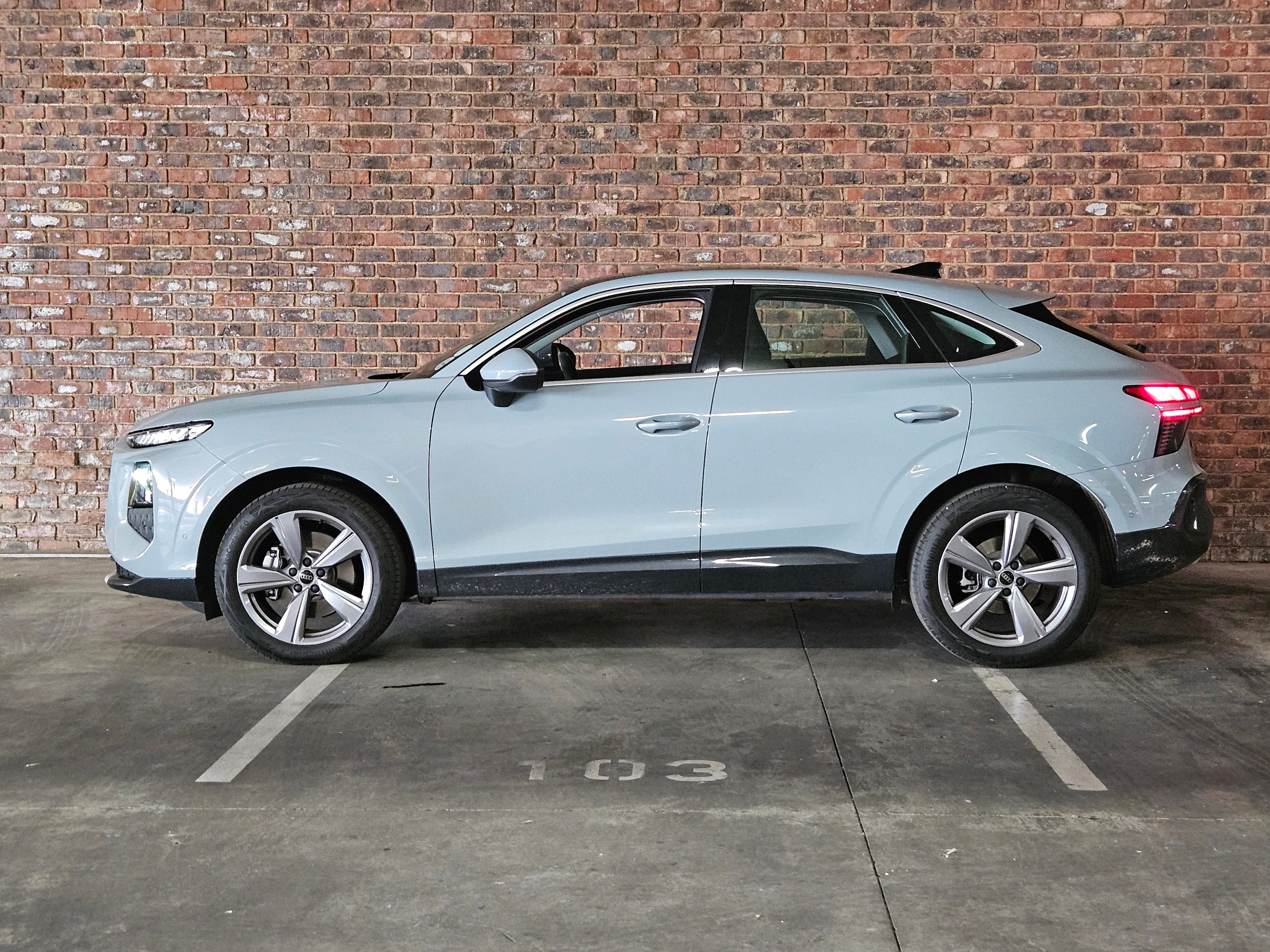
Welcome to the world of premium German motoring. From certain angles, particularly along the side profile, I noticed hints of the Porsche Macan. The proportions are similar, giving the Q3 an athletic stance that looks both sporty and elegant. Safe to say, Audi has nailed the aesthetics.
Cabin-wise, the Q3 receives a redesigned dashboard centred around Audi’s latest MMI Experience Pro infotainment system. The screen integration feels seamless. I did notice, however, that it occasionally took some time to load, which felt a little frustrating.
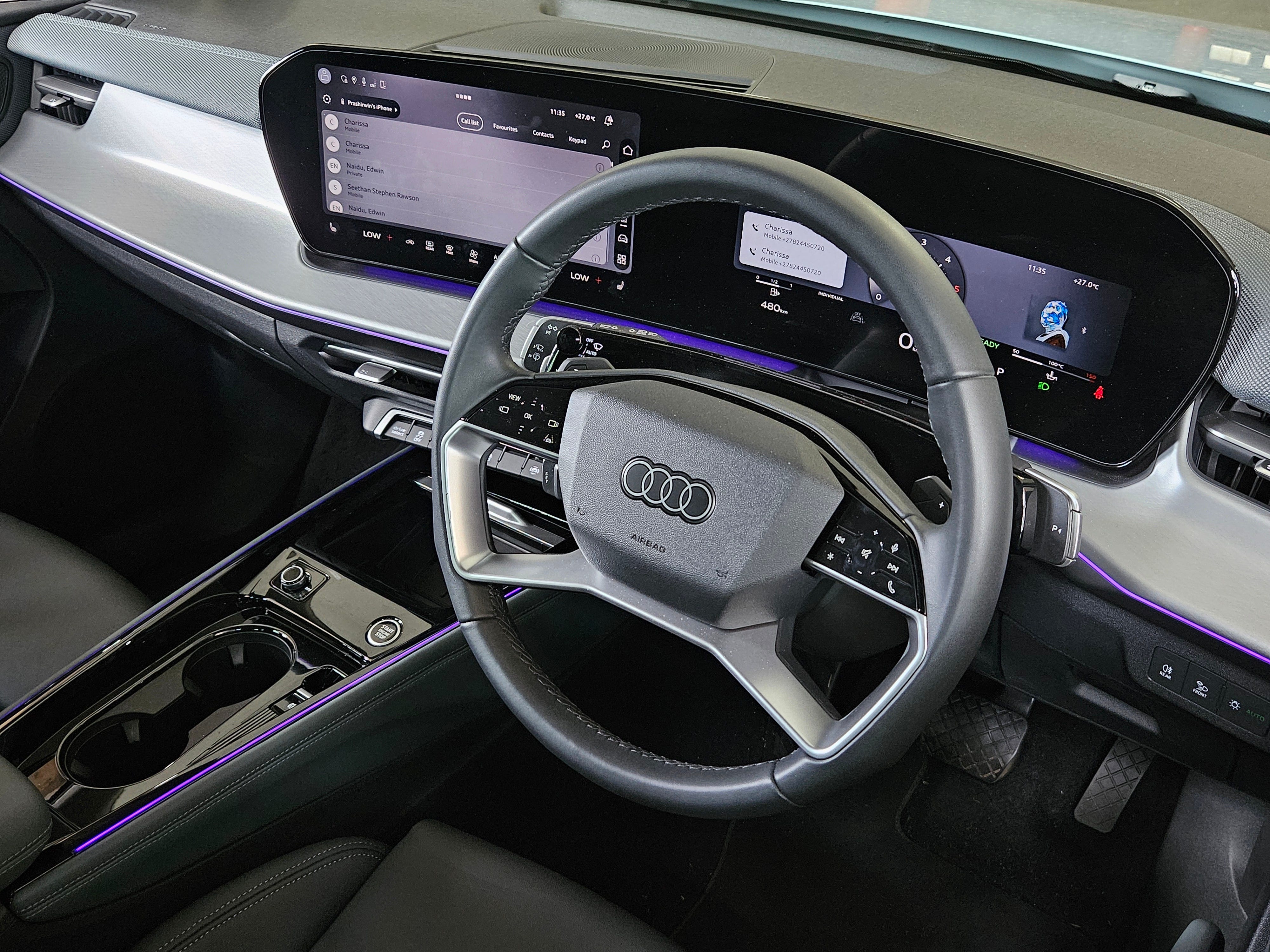
My favourite new addition is the steering wheel. Whether you love it or hate it, there’s no denying it feels futuristic. Audi has also relocated the gear selector and indicator controls behind it, creating a cleaner centre console.
The leather upholstery is smooth, cushy and hard-wearing, while the dashboard materials continue Audi’s tradition of impeccable fit and finish. There are also a few sustainable touches throughout the cabin, on the dashboard and door panels.
Elsewhere, you’ll find wireless charging, heated seats, rear climate control and, thankfully, a sunroof.
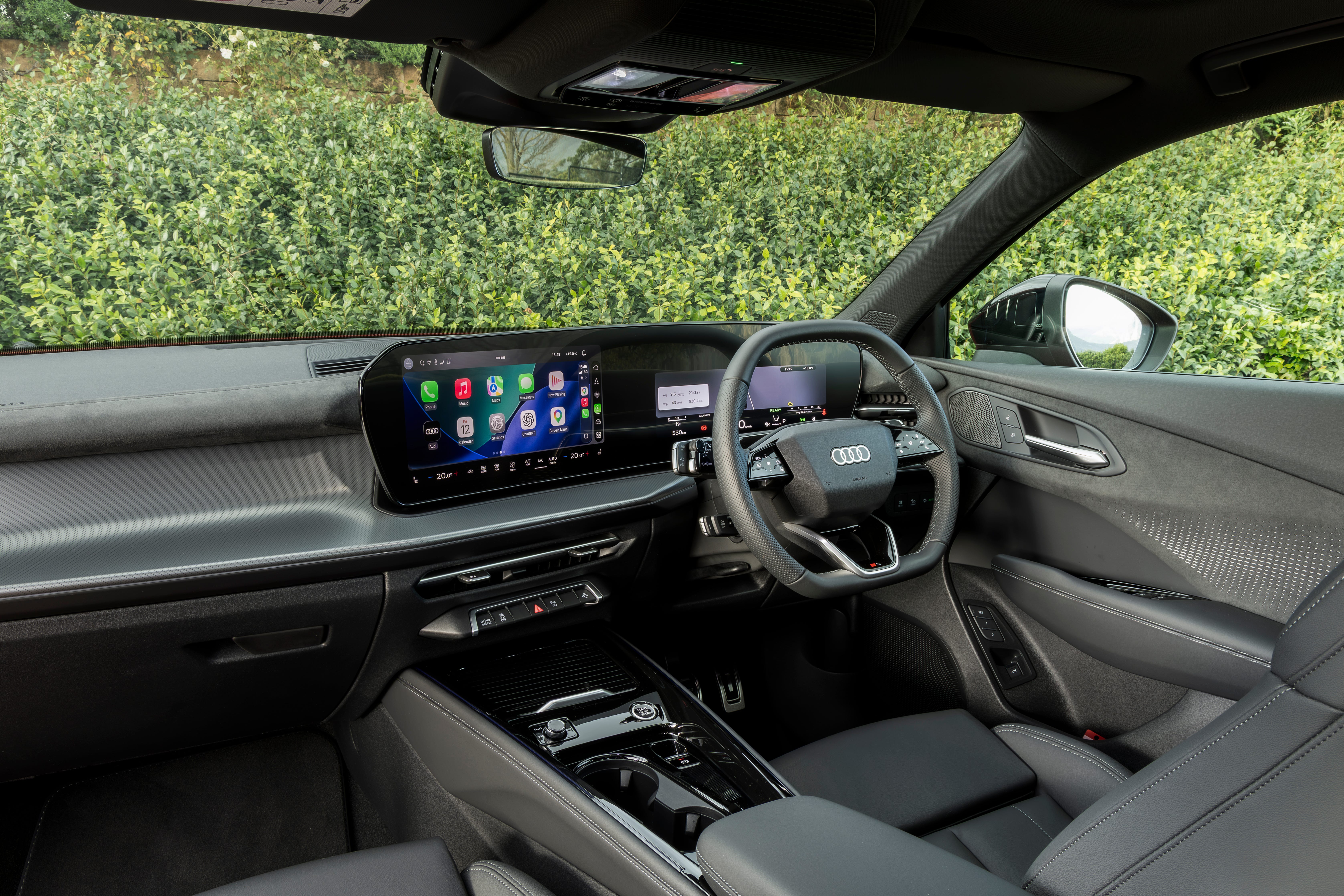
All are optional extras, I’m afraid, as our test vehicle came fitted with roughly R200,000 worth of upgrades.
At more than R1 million, you’ll quickly discover that many desirable features on our test car sit deep in the options list.
Standard equipment includes adaptive cruise control, lane departure warning, emergency braking assistance, fatigue monitoring, a 360-degree camera system and rear cross-traffic assist.
Out on the road, the Q3 wins me over.
Over the past few years, I’ve driven countless Chinese vehicles. Many of them offer strong value. Yet the moment you climb into something like the Audi Q3, you’re reminded that engineering excellence remains difficult to replicate.
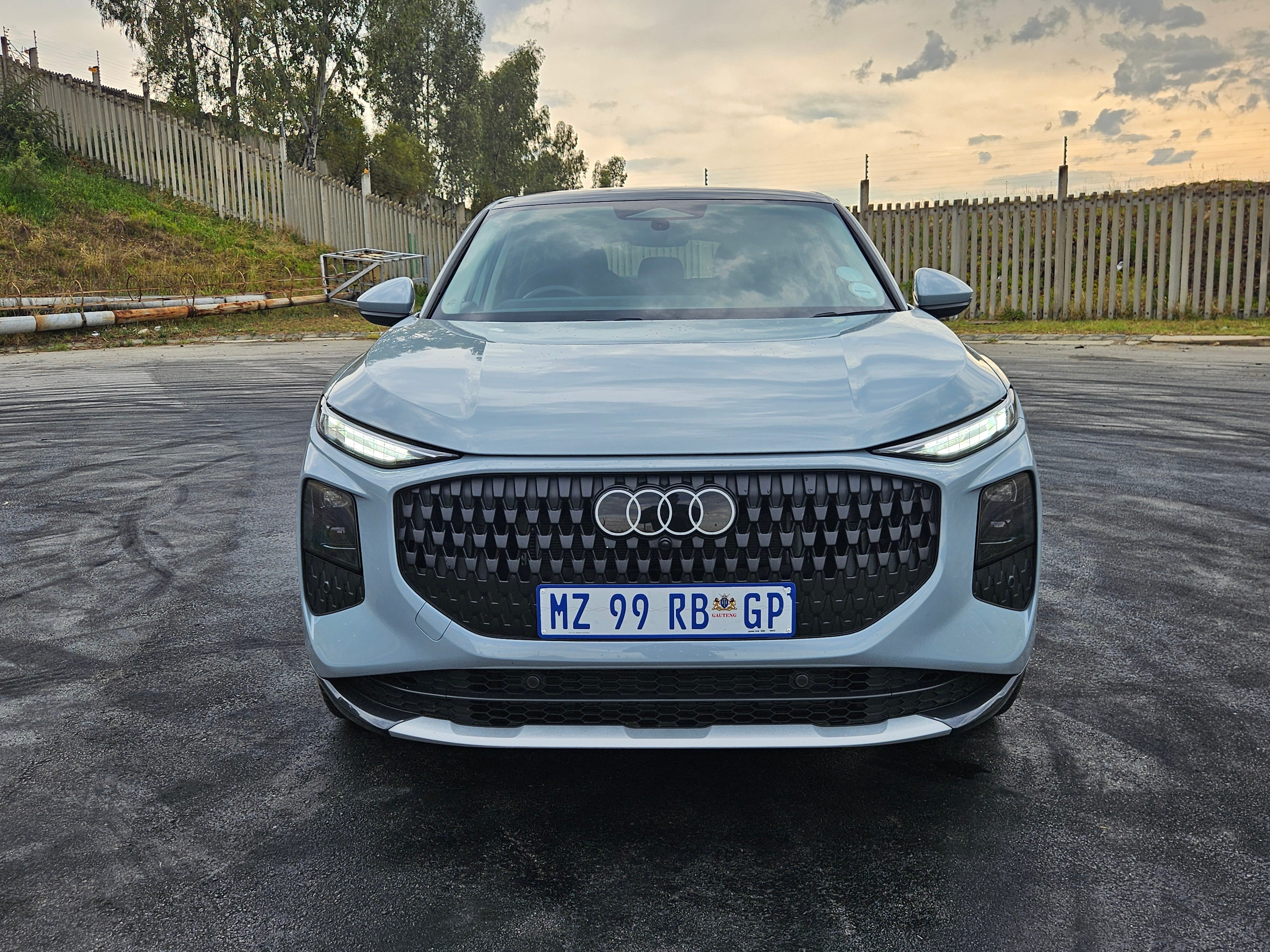
There’s a reassuring firmness to the way the Q3 moves down the road, and it tackles rough surfaces with confidence. Steering response feels natural, while the vehicle inspires confidence in a way that some rivals don’t.
Audi’s 2.0-litre TDI diesel is the star of the show. Producing 110kW and 360Nm of torque, it quietly gets on with its business while delivering a satisfying blend of efficiency and performance.
I still remember driving the previous-generation Q3 with the same powerplant on a road trip to the South Coast. During that journey, fuel consumption hovered around 5.0L/100km, and fuel stops were hardly a topic of discussion.
Urban driving inevitably pushes that figure higher. During my time with the facelifted model, fuel consumption sat closer to 8.0L/100km. Even so, those numbers are still respectable.
The Audi Q3 has the BMW X1, Mercedes-Benz GLA, Volvo XC40 and Lexus NX firmly in its sights. Then there are newcomers such as the Omoda C9, GWM Tank 300, Haval H6 GT and Mazda CX-60. Buyers may even cross-shop vehicles like the Toyota Fortuner and Ford Everest. While they occupy slightly different segments, they highlight just how many options consumers now have.
As a buyer, you’re spoiled for choice, and perhaps that’s Q3’s biggest challenge. Convincing buyers to spend more than R1 million is difficult in a market flooded with alternatives.
©Higher Education Media