


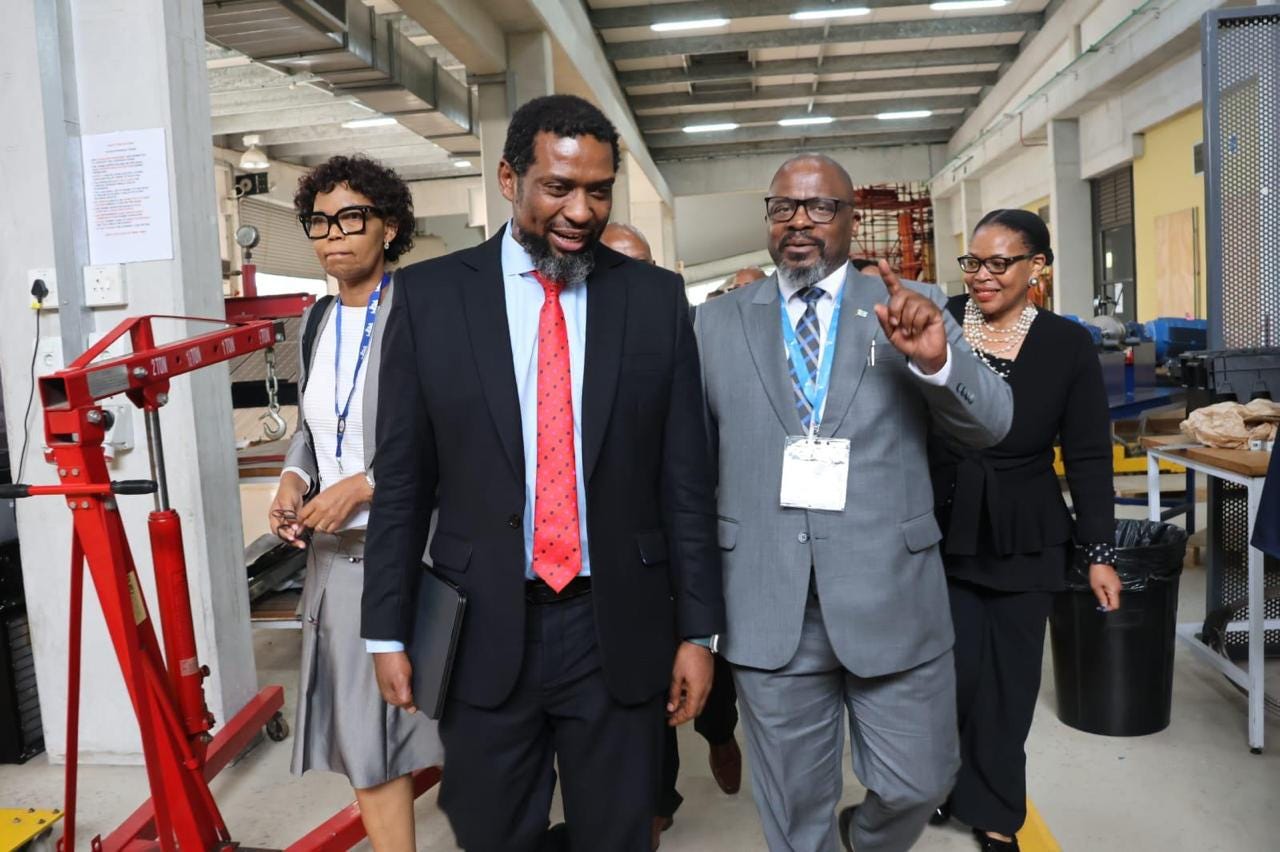
Minister of Higher Education and Training Buti Manamela says South Africa is uniquely placed to participate in the emerging green hydrogen economy.
The launch of the Centre of Specialisation at Cape Peninsula University of Technology (CPUT) sends an important message: South Africa is preparing itself to participate meaningfully in the global energy transition.
“We are investing in skills, strengthening partnerships and creating pathways for inclusive growth and industrial development,” the Minister said.
“It is encouraging to see collaborations with the universities and SETAS. The complexity of the green transition requires exactly this because resources alone are not enough,” he said.
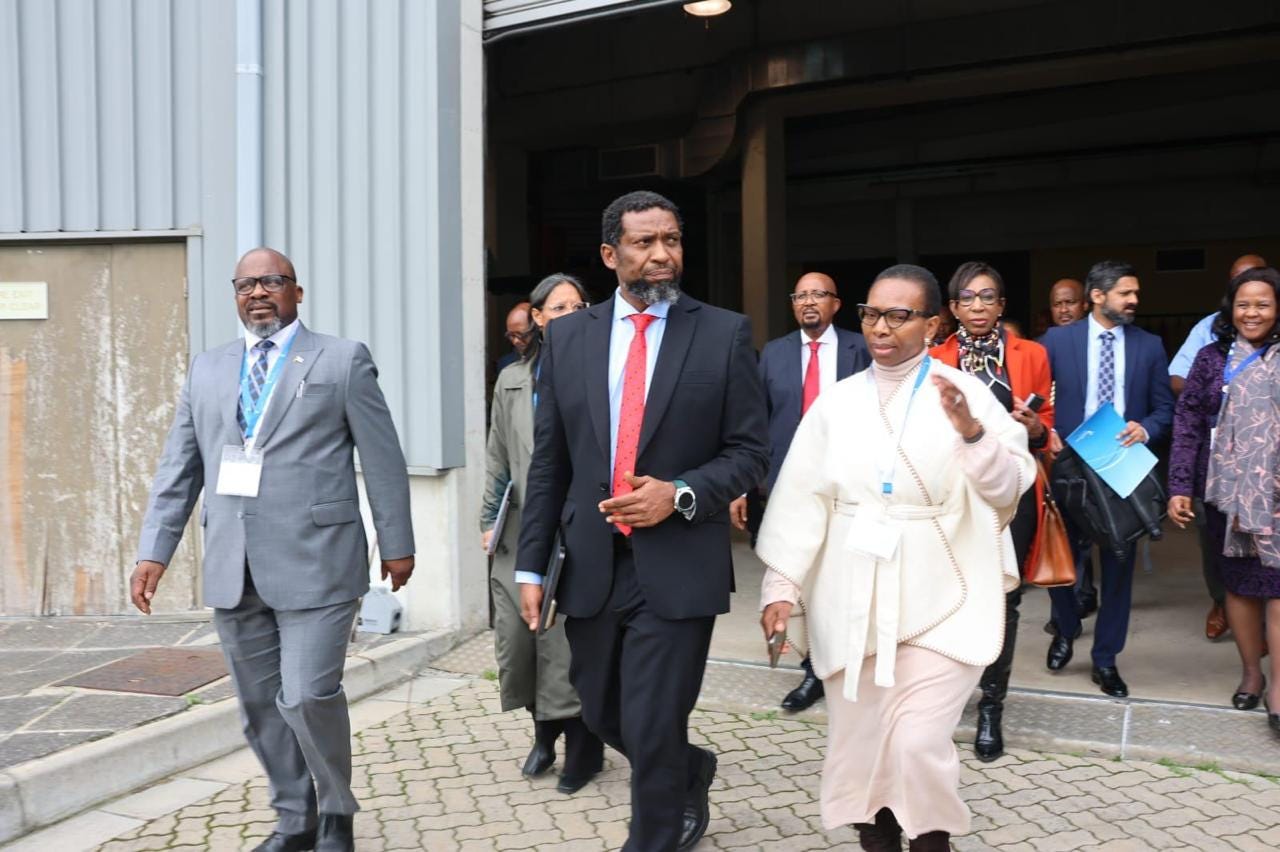
The launch was attended by, among others, the Vice-Chancellor of CPUT, Professor Chris Nhlapo, CEO of CHIETA, Yershen Pillay, CEO of TETA, Maphefo Anno-Frempong, representatives from the Department of Higher Education and Training, leadership of CPUT, government representatives, industry and labour, members of the MQA Board, and Industry and community partners.
Fresh from delivering the Budget Vote speech in Parliament, Manamela said that across the world, countries are confronting the interconnected challenges of climate change, energy insecurity and unemployment, particularly youth unemployment.
Green hydrogen has emerged as one of the most important opportunities in the global transition towards cleaner, more sustainable industrial development.
“Countries across Europe, Asia, the Middle East and Africa are investing heavily in hydrogen infrastructure, research and skills because they understand that the future economy will be shaped not only by technology, but by the people capable of developing, maintaining and advancing it,” Manamela said.
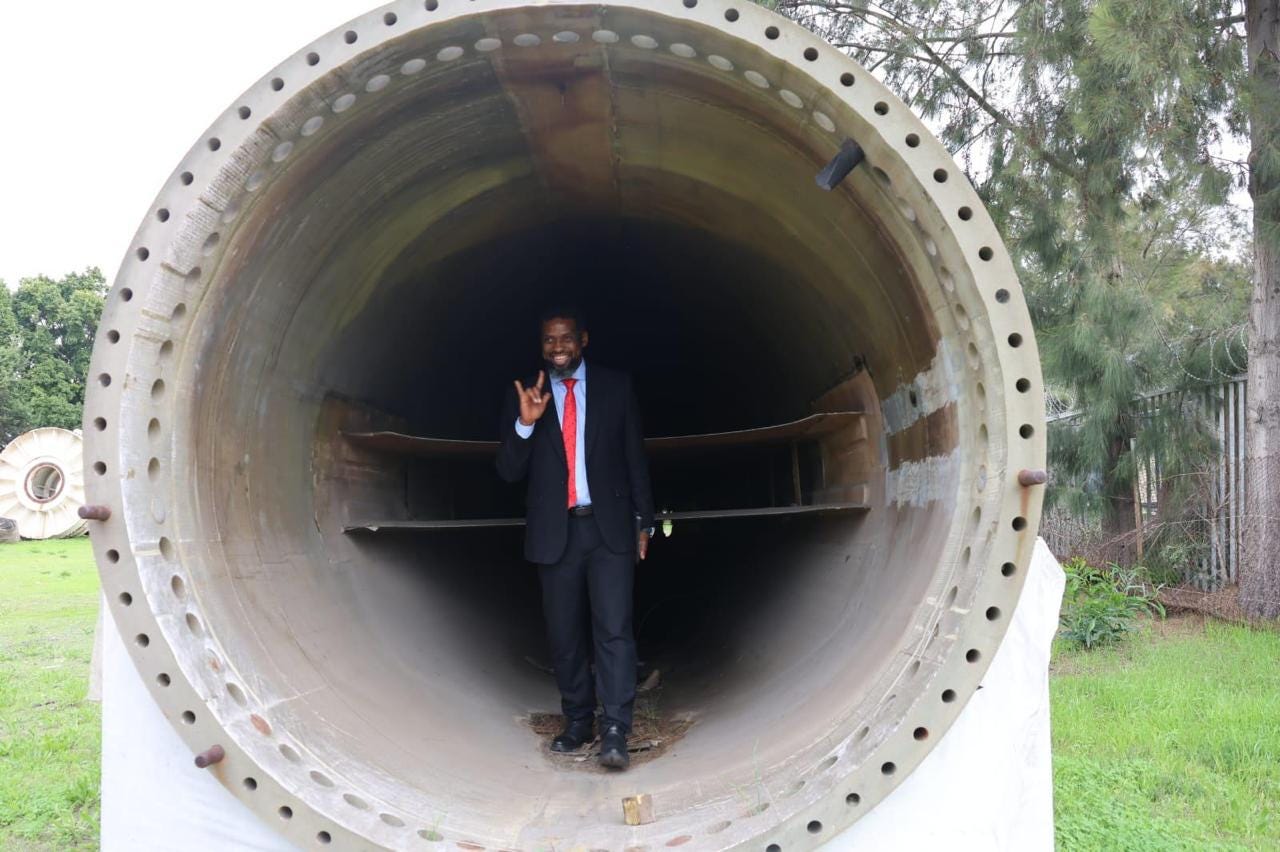
The Minister said South Africa was uniquely positioned to participate meaningfully in this emerging sector.
“We possess world-leading platinum group metal reserves essential for hydrogen fuel cell technologies. We have significant renewable energy potential through our solar and wind resources. We also have universities, TVET colleges, SETAs, researchers, artisans and young people capable of driving innovation and industrial development.
But, he admits, resources alone are not enough.
Without engineers, technicians, artisans, researchers, safety specialists and entrepreneurs, the hydrogen economy cannot succeed. This is why investment in education, training and skills development remains central to the Just Energy Transition.
“That is why today matters. The Green Hydrogen Centre of Specialisation is not merely a training initiative. It represents an investment in our country’s future capabilities and in our people’s ability to participate in new industries shaping the global economy.
It is particularly encouraging to see collaboration between institutions such as CPUT and our SETA partners — CHIETA, MQA and TETA. The complexity of the green transition requires exactly this type of partnership between government, higher education institutions, industry, labour and research bodies.”
No single institution can undertake this responsibility alone, he added, pinning future hopes on partnerships to align resources, share expertise, strengthen innovation and ensure that training remains relevant to the needs of industry and society.
“Most importantly, they help ensure that our programmes lead to real outcomes — including employment opportunities, enterprise development and industrial growth.”
Manamela said Centres of Specialisation are therefore critically important within modern economies, as around the world, such centres act as hubs where research, innovation, technical training and industry collaboration intersect.
“They help bridge the gap between education and the labour market while ensuring that institutions remain responsive to technological change and new economic opportunities,” he added.
The launch of the first cohort of postgraduate learners is especially significant, he said.
“These young people are not simply participants in a programme. They are among the future architects of South Africa’s hydrogen economy. Many of them will go on to lead projects, develop technologies, establish enterprises and train future generations.
To the young people here today: the world is changing rapidly, but with change comes opportunity. Green hydrogen is not only about energy. It is about reimagining industrial development, manufacturing, transport systems and economic inclusion in more sustainable and equitable ways.”
This is why the Just Energy Transition must remain central to the approach, said Manamela, noting that a just transition means that workers are reskilled, not abandoned. “It means communities are included, not excluded. It means women and young people participate fully in the green economy. And it means Africa must become not only a consumer of new technologies, but also a producer of innovation and knowledge.”
Quoting former first democratic president of South Africa, Nelson Mandela, Manamela reminded guests: “Education is the most powerful weapon which you can use to change the world.”
“Through this Centre of Specialisation, we are using education and skills development to help shape a more inclusive, sustainable and industrially capable South Africa.
The launch of this Centre sends an important message: South Africa is preparing itself to participate meaningfully in the global energy transition. We are investing in skills, strengthening partnerships and creating pathways for inclusive growth and industrial development.”
He said the success of this initiative will ultimately be measured by the number of artisans trained, the quality of research produced, the enterprises developed, the jobs created, and the lives improved.
Higher Education Media Services.