


The Technological Higher Education Network South Africa (THENSA) and the Namibia University of Science and Technology (NUST) hosted a cross-continental webinar exploring how cutting-edge waste-to-energy technologies, circular bioeconomy approaches and sustainable energy cycle systems can power a low-carbon, resource-efficient future.
The event formed the third instalment of the Africa-Ireland Renewable Energy Demonstration Living Labs Webinar Series (AI-RELLP), an initiative backed by South African, Irish, and Namibian institutions in association with the Embassy of Ireland to build collaborative multi-country demonstration platforms and research networks bridging the Global South and Global North.
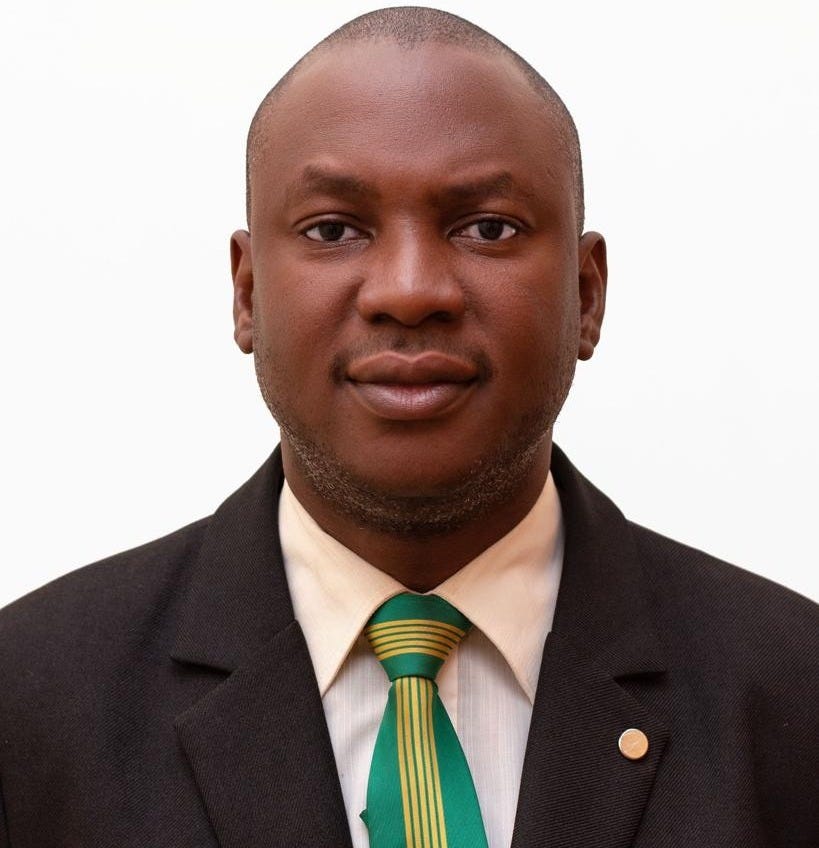
Moderated by NUST’s Professor Habauka Kwaambwa, the webinar successfully brought together African and European perspectives to examine how scientific innovation can be balanced with localised implementation.
Deliberations emphasised the conversion of organic waste, biomass and curtailed renewable power into high-value resources, ranging from green hydrogen and grid energy to biogas and certified biofertilizers, curbing municipal landfill pressure, reducing emissions and diminishing fossil fuel dependence.
Bringing the European technological perspective, Professor Dr.-Ing. Weibo Zhang from the Faculty of Automotive Engineering at the University of Applied Sciences Zwickau (WHZ) in Germany delivered a detailed presentation on “A Sustainable Energy Cycle System with the Electrolyser and Fuel Cell”.
Zhang tackled the critical challenge of long-term energy storage and clean power curtailment, explaining how excess electricity from solar and wind installations can be harnessed using water electrolysis to generate green hydrogen.
This stored hydrogen can later be fed into fuel cells (proton exchange membrane fuel cell and solid oxide fuel cell) to generate electricity and heat with zero emissions, releasing only clean water.
Zhang outlined applications across stationary power grids and heavy transport, such as electric trains, buses, and forklifts, while stressing that widespread adoption requires overcoming the high cost of noble catalyst materials like platinum, developing scalable infrastructure, and enforcing rigorous hydrogen safety standards.
Representing the localised African perspective, Khubana Lusani, Project Officer at South African circular SME Madam Waste, delivered a live on-site demonstration from their Johannesburg facility on “Decentralised Waste Valorisation”. Addressing South Africa’s annual burden of 12 million tonnes of organic waste, where only 10% is currently recycled,
Lusani showcased practical, low-cost decentralised technologies. These included the EcoBot rapid in-vessel composter, which converts 500 kg of daily food waste into nutrient-rich, Grade 2 certified “Soilmate” compost within 24 hours, alongside compact 2-cubic-metre floating-dome biogas digesters that transform food scraps into clean cooking fuel and biofertilizer slurry for approximately R 17 000.
Lusani highlighted their collaborations with the City of Johannesburg, the City of Tshwane and local retailers to develop community gardens, create micro-enterprises, and foster environmental mindset shifts through grassroots education and initiatives like their Not Wasting a Single Story podcast.
Crucially, the session highlighted that significant challenges remain in the Southern African context in terms of scaling these initiatives, even at the community level. During the interactive discussions, Lusani pointed out that the lack of consistent feedstock quality remains a primary bottleneck that restricts the commercialisation and standardisation of community-level biofertilizers and biogas digestate.
Participants noted that while localised pilots and informal settlement projects demonstrate immense potential, broader scaling is further hampered by slow municipal mindset shifts regarding organic waste prioritisation, constrained access to capital for smallholders and the logistical difficulty of source separation.
The webinar concluded with an agreement on the necessity of continued collaboration across the Africa-Ireland Living Labs Network, ensuring that high-level technological research from Europe and practical grassroots solutions from Southern Africa work in tandem to develop sustainable, bankable waste-to-energy models. Kwaambwa affirmed that linking real world community pilots with advanced energy frameworks offers a clear pathway to integrate renewable systems and stimulate inclusive economic prosperity.
©Higher Education Media Services.