


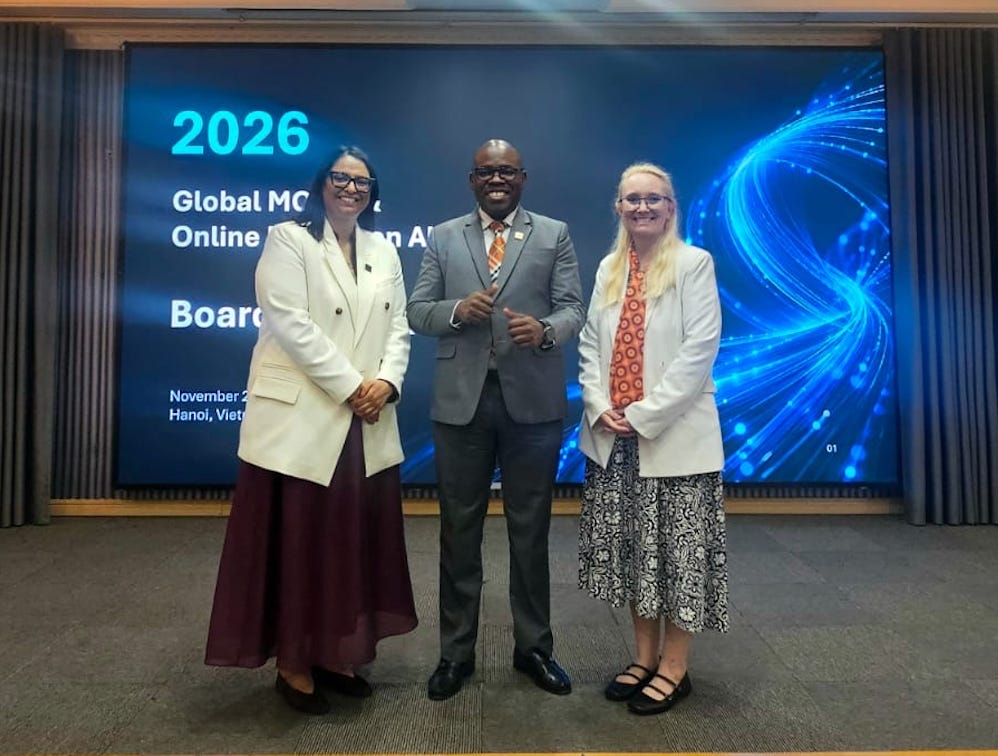
The University of Johannesburg (UJ) has been admitted to the Global MOOC and Online Education Alliance (GMA), a move that strengthens Africa’s representation in international discussions on the future of online, digital and AI-enabled education.
UJ was formally welcomed as a member during the 2026 GMA Board Meeting held in Hà Nội, Vietnam, on 2 November. The alliance, convened by Tsinghua University, now comprises 27 member institutions from 19 countries across six continents.
The GMA brings together universities and online learning platforms to expand access to high-quality online education, support innovation in teaching and learning, and advance the United Nations Sustainable Development Goal on inclusive and equitable quality education.
UJ’s admission reflects growing international recognition of the university’s investment in digital education. The institution serves more than 50,000 students and has developed an extensive digital learning ecosystem that includes online and blended programmes, MOOCs, learning analytics, digital assessment systems and AI-supported academic services.
The university’s UJDigital platform, launched in 2025, has expanded access to lifelong learning opportunities, while its portfolio of 11 free MOOCs has recorded more than 100,000 course completions.
Beyond online learning, UJ has emerged as a leading voice on the responsible use of artificial intelligence in higher education. The university is involved in hundreds of AI and immersive technology projects, including initiatives that explore the ethical, social and governance implications of emerging technologies.
The institution’s growing profile within the alliance follows several years of engagement with the GMA community. In 2025, UJ received a GMA award recognising innovative work in virtual reality-based teaching, while in 2026 its LearnBridge student support platform received a Special Recognition Award for its use of AI to provide on-demand academic assistance.
Membership of the alliance is expected to open new opportunities for collaborative research, joint course development, global classrooms, faculty exchanges and the co-creation of online learning programmes with international partners.
Importantly, the university says it intends to contribute African and Global South perspectives to discussions on the future of digital education, helping to ensure that online learning remains inclusive, multilingual and relevant to diverse contexts.
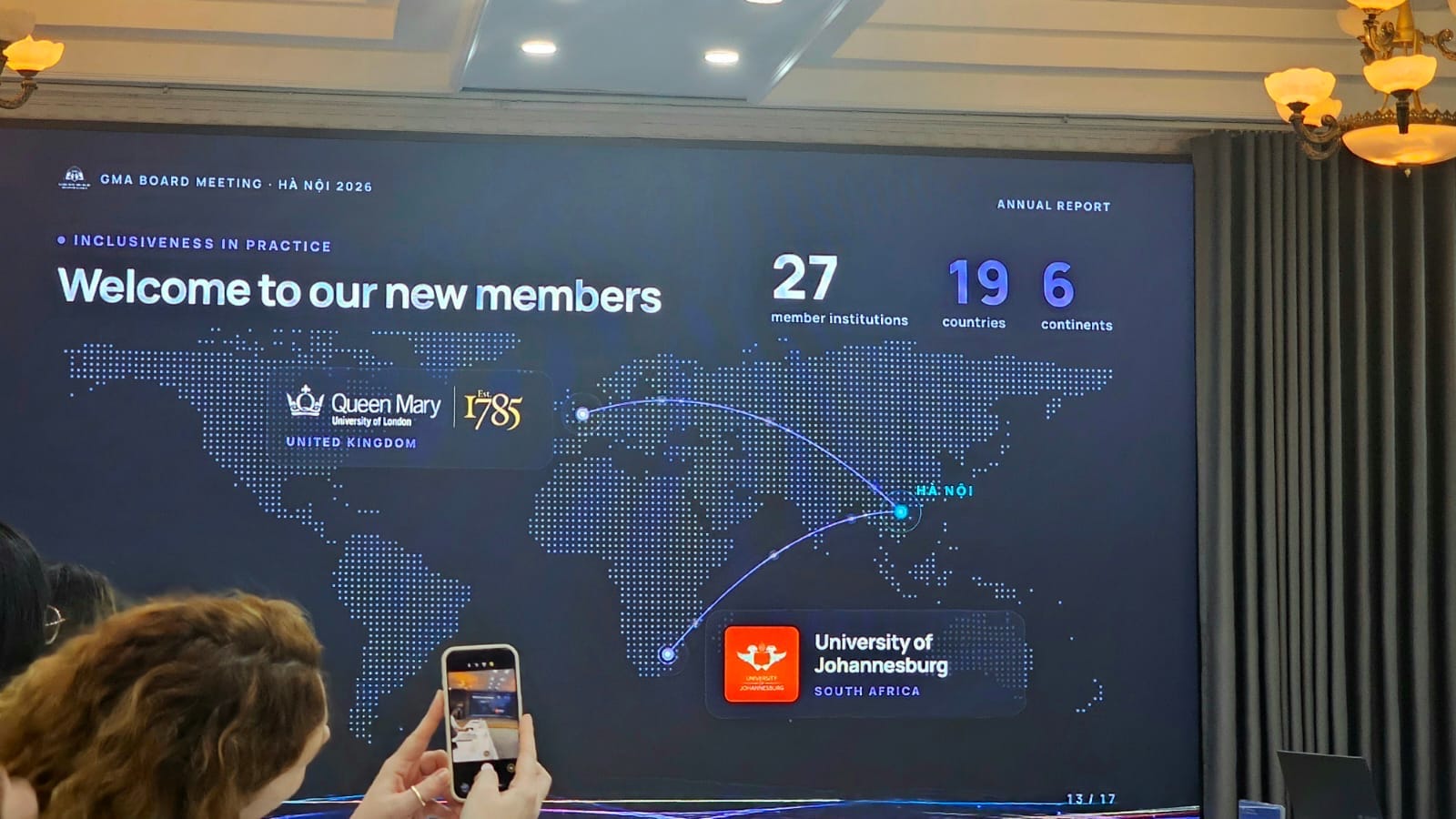
“Our membership of the Global MOOC and Online Education Alliance reflects UJ’s commitment to harnessing technology to widen access, strengthen student success and advance knowledge for societal benefit,” said Vice-Chancellor and Principal Professor Letlhokwa Mpedi.
He added that the university looks forward to working with global partners to shape a future in which African perspectives help drive educational innovation and digital inclusion.
The partnership aligns with UJ’s Strategic Plan 2035 and its commitment to using technology to expand access to quality higher education.
©Higher Education Media Services.