


A growing dispute has emerged among academic markers at the University of South Africa (UNISA) after management reiterated that examination scripts must be marked within a strict 14-day turnaround period, prompting staff members to warn that the requirement is unrealistic and could compromise both assessment quality and employee wellbeing.
The concerns surfaced in an email exchange among staff members after a senior academic informed colleagues that a recent meeting of heads of department and other academic leaders had emphasised that the turnaround time for examination marking was “strictly 14 days”. Although previous discussions had reportedly referred to a maximum period of 21 days, staff were advised to make every effort to complete marking within the shorter timeframe.
The directive immediately drew criticism from markers tasked with assessing large volumes of examination scripts.
In a strongly worded response, an academic questioned the practicality of requiring markers to complete approximately 1,450 examination scripts within two weeks.
“It is concerning to take decisions without consulting us (the markers),” the academic wrote, adding that the workload would be impractical within the prescribed period. The academic also called for the workload framework discussed during previous assignment allocation meetings to be shared with staff.
Furthermore, the academic warned against sacrificing academic quality to meet administrative deadlines. “Please let us not compromise quality.”
On Sunday, an academic said she had to mark 25 papers a day (each one takes an hour) even on weekends to meet the targets set by the university.
The email also highlighted concerns about working conditions, reminding management that office hours run from 07:45 to 15:45 and that weekends are “non-negotiable”. The issue was described as sensitive, and colleagues and managers alike were urged to safeguard employees’ mental health.
Other academics involved in the marking process echoed these concerns.
One, whose name is known, questioned the deadline’s feasibility, arguing that exam papers take substantially longer to assess than assignments.
“This is not realistic. The exam paper is much longer than the assignment and is taking us much longer to mark,” she wrote.
Another also supported the objections, saying he concurred with colleagues’ concerns about the turnaround time.
The correspondence points to wider tensions around workload allocation and performance expectations at South Africa’s largest distance-learning institution. While management has apologised for any inconvenience arising from the revised timetable, staff responses suggest concerns remain unresolved over whether the prescribed marking period adequately reflects the scale and complexity of examination assessment.
The dispute also highlights an increasingly prominent issue in higher education: balancing administrative efficiency and publication of results with quality assurance, staff wellbeing and fair workload practices. Academics involved in the exchange argue that compressed marking schedules risk placing undue pressure on markers and could ultimately affect the integrity of the assessment process.
Context on the marking crisis
Three staff members, including two academics, died in June. At least a dozen employees have been hospitalised over the past two months, with three still receiving treatment, according to multiple university sources who spoke on condition of anonymity. They say many of the cases are linked to stress and exhaustion following the university’s decision last year not to renew contracts for markers and e-tutors.

Following major staffing changes at Unisa at the start of the 2026 academic year, academics, families and labour unions raised concerns that increased workloads were placing severe pressure on employees. The university ended the contracts of more than 26,000 e-tutors and over 5,000 markers, replacing them with approximately 850 full-time adjunct academics on three-year contracts.
The concerns are detailed in a leaked 37-page memorandum the National Education, Health and Allied Workers’ Union (Nehawu) submitted to the university Council on 13 May. The union warned that Unisa may be exposing staff to occupational health and safety risks through chronic stress, burnout, fatigue, excessive workloads, work-related mental health harm and poor work-life balance. This was borne out by the deaths and hospitalizations of staff members, said academics.
Dr Mary Mmatsatsi Madileng, 64, a senior lecturer in the Department of English Studies, died on 11 June, two days after collapsing at home from an aneurysm. John Mboweni worked in the IT department, which came under pressure over the hiring of new adjunct academics at the beginning of the year, when new staff members had to be onboarded while the department was swamped with existing staff computing requirements. He died on 15 June. Law lecturer Unathi Poyo died on 19 June. At least a dozen staff members were hospitalised due to pressure at work.
As marking begins for the year-end examinations, several academics complained about the heavy pressure UNISA management was putting on them to finish marking in two weeks. This pressure has also raised questions about the quality of the work being undertaken.
A 2025 study published in Behavioural Sciences by Abraham et al. found that nearly half (49%) of academic staff surveyed at a South African university experienced severe psychological distress, while 27% reported high levels of burnout.
Internal report finds four in ten senior managers experiencing burnout
An internal University of South Africa (UNISA) study has found that more than four in ten members of the institution’s executive leadership team are experiencing significant levels of burnout, with the report warning that the condition may pose risks to governance, strategic leadership and the university’s long-term sustainability.
The findings, in a report dated 14 April 2026, suggest that burnout is not confined to frontline staff but extends to those responsible for steering Africa’s largest open-distance learning institution.
According to the study, 33.3% of participating executives reported high levels of burnout, while another 8.3% fell into the very high burnout category. Together, this means more than 40% of executives surveyed experienced significant burnout symptoms.
The report paints a picture of widespread mental strain among senior leadership.
Among executives who participated in the assessment, 67% scored high or very high for mental exhaustion. Half recorded high or very high scores for mental distance, a measure associated with emotional withdrawal and disengagement from work. A further 34% reported high or very high levels of cognitive impairment, including difficulties with concentration and memory.
While workplace wellbeing is often regarded as a human resources issue, the report draws a more direct connection between executive wellbeing and institutional governance.
It warns that executive burnout may negatively affect decision-making quality, strategic alignment, governance stability and the university’s long-term sustainability.
The report’s findings raise important questions for a university that has faced sustained scrutiny in recent years over governance, management decisions, labour relations and academic administration.
The governance implications are particularly significant because executive leaders oversee institutional strategy, academic operations, financial management, and student support across a university serving hundreds of thousands of students.
The study recommends a range of interventions to reduce leadership strain and strengthen organisational resilience. These include institutionalised wellness programmes, leadership resilience development, executive coaching, workload redistribution, clearer decision-making responsibilities, structured recovery time and leadership retreats.
The recommendations suggest the authors considered the findings sufficiently serious to require formal organisational intervention.
However, the study has limitations. The report indicates that approximately 30 executive managers were targeted for participation. Of these, 23 took part in the study, while only 12 completed the survey in full. The report records a complete response rate of 25.5%.
The limited participation rate may give university management grounds to caution against broadly extrapolating the findings across the entire executive cohort.

According to an academic, Vice-Chancellor Professor Puleng LenkaBula led the charge against markers at a workshop last year, claiming that some academics had engaged family members to carry out marking tasks. Flippantly, on university platforms, LenkaBula, who has clamped down on staff speaking freely, accused her staff of spending time at malls instead of teaching.
Although she produced no evidence that markers hired family members to support her claims, the university insists it made the switch as a management decision, which has spilt over onto staff, with students in particular feeling the impact. Students complained throughout the year about waiting months for assignment results due to delays in marking.
Staff told ednews.africa that they were warned against talking to the media and that LenkaBula, an ardent campaigner for freedom of expression, has previously conducted a witch-hunt to find leaks on campus. She expressed support for media freedom in a video recording at a fundraising dinner for the South African National Editors Forum on 22 October. She also made a generous donation in support of media freedom.
UNISA, which has embarked on a fundraising campaign to help students, is also a major supporter of the legal profession, reportedly spending almost R170 million on legal fees between 2023 and 2025, including litigation against the Department of Higher Education and Training.
On 28 September 2026, UNISA filed an Amended Notice of Motion, seeking to re-enrol the matter against ednews.africa in the ordinary course after failing in an urgent application in the Pretoria High Court in August.
UNISA sought, among others, a take-down order of certain reportage published on the EdNews.Africa website, and an order to restrain journalist Edwin Naidu from reporting on certain matters in the midst of an alleged “ongoing governance crisis” at the University.
The disclosure of executive burnout levels, suppressed by management at UNISA, comes as concerns about workload, organisational culture and leadership accountability continue to feature in discussions within the higher education sector.
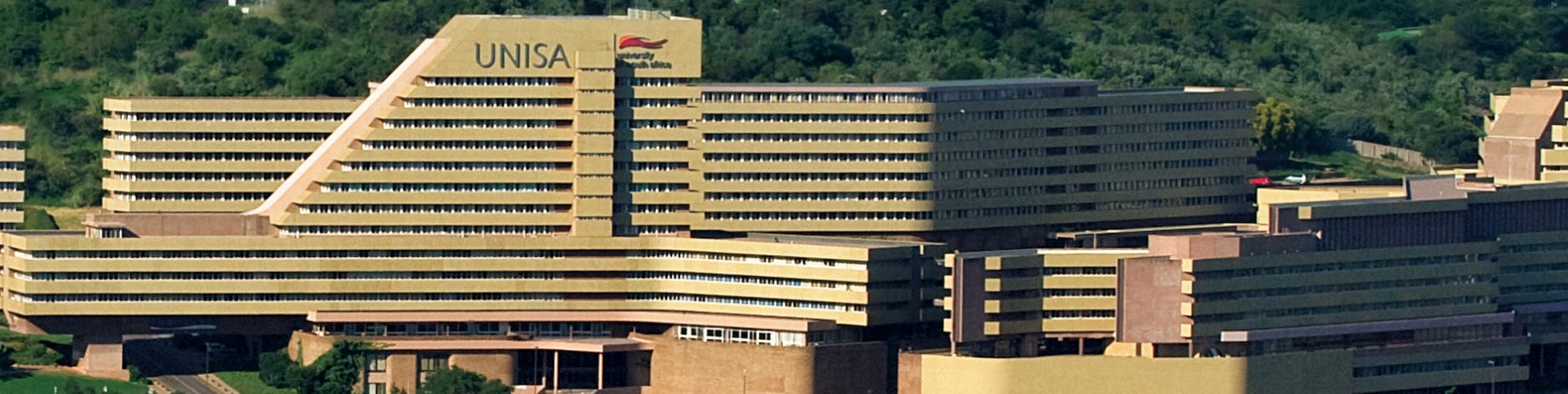
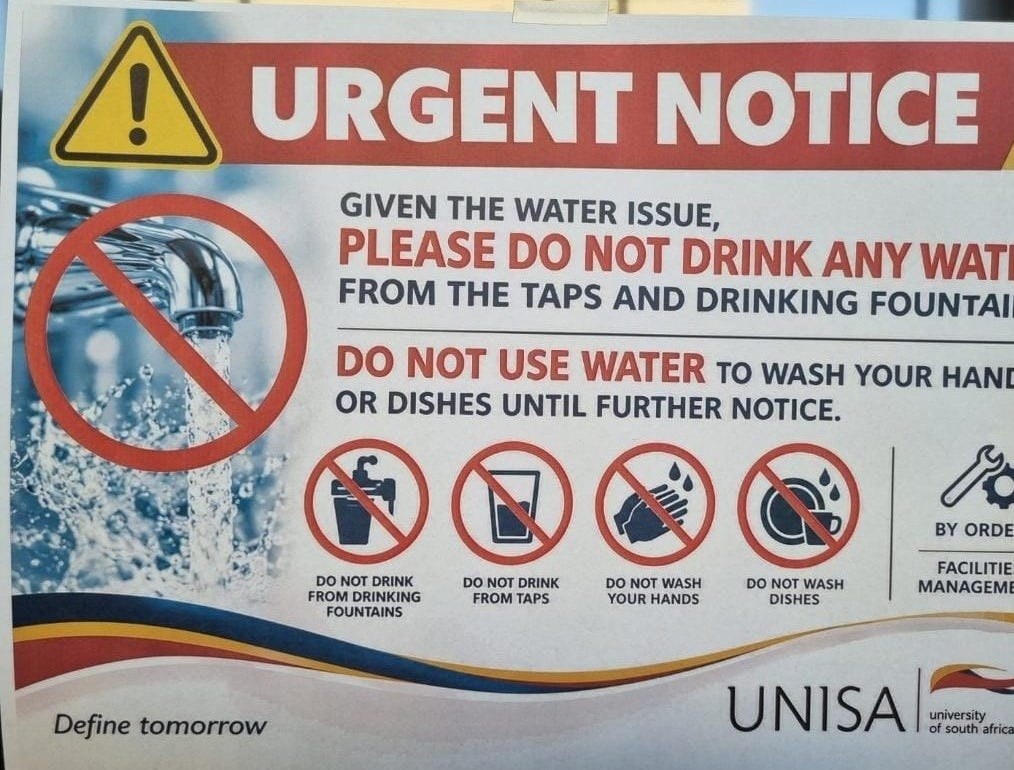
On Monday, staff at UNISA Muckleneuk Campus, were the administrative and executive leadership team under LenkaBula sit, complained about health risks after being warned not to drink water or wash their hands in campus facilities. They were warned not to talk about this in the media.
If left unaddressed, the report suggests the consequences could extend beyond the executive suite and affect the university’s broader ability to fulfil its academic mission.
Do you want to share your experience with burnout at UNISA or any other institution? Write to ednews.africa@gmail.com in strictest confidence. Help us Define tomorrow!
©Higher Education Media Services.