


The University of South Africa has rejected as “false, malicious, and insensitive” a weekend report by ednews-africa over its controversial removal of markers, which has placed a heavy burden on academics and staff.
Three people died within days of each other in June, and their colleagues and families, cited stress and an increased workload contributed to them falling ill. Another nine Unisa staff members were hospitalised for stress-related illnesses.
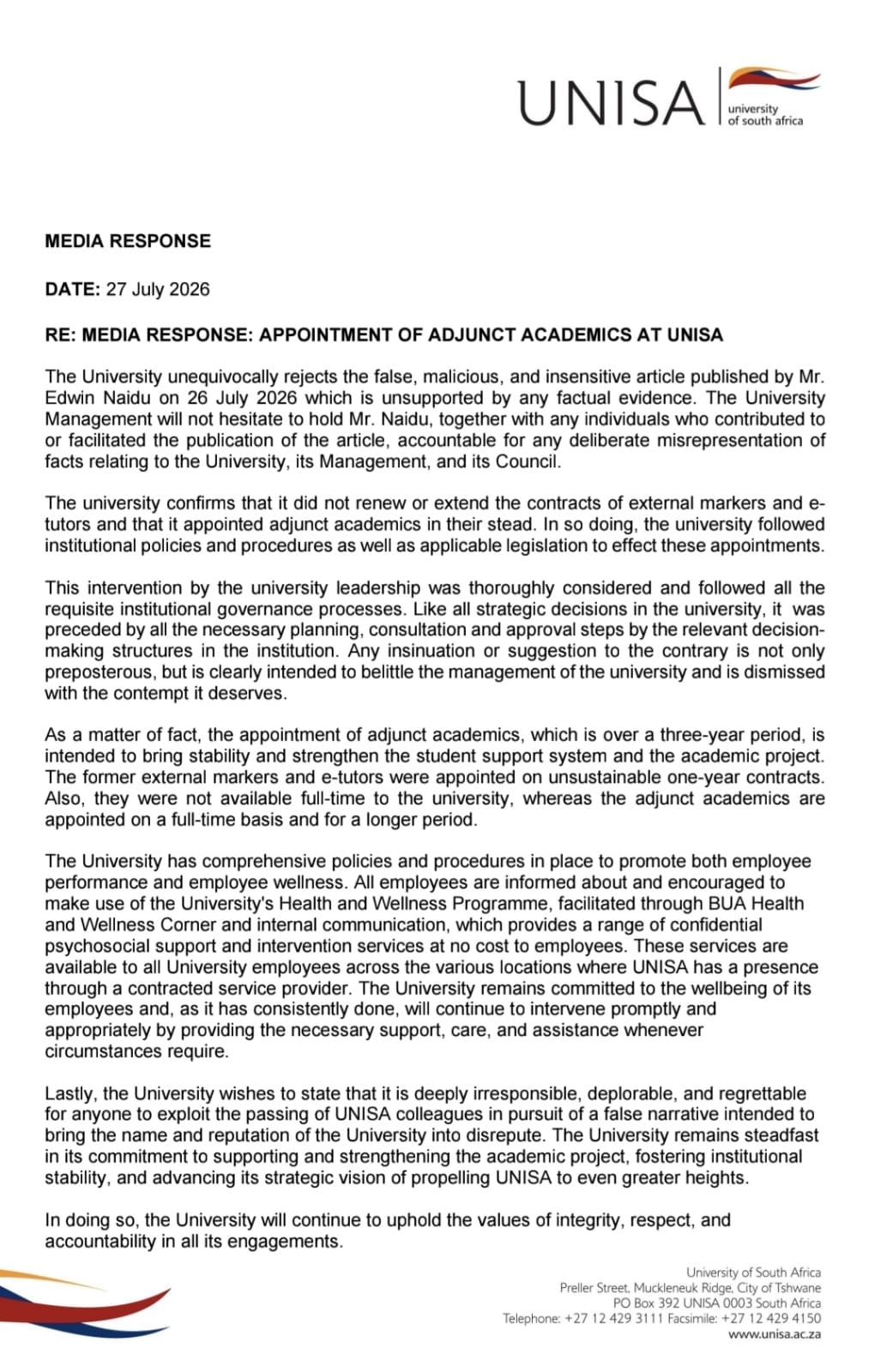
In a statement yesterday, the University said the article published by Mr. Edwin Naidu “is unsupported by any factual evidence”.
The facts remain: three staff members died in June, their families blame the work overload on poor implementation of adjunct academics to replace markers.
The report said that the university relied heavily on 26,150 e-tutors and 5,095 markers, engaged as independent contractors. Since the start of the 2026 academic year, their contracts ended and they were replaced by around 850 full-time adjunct academics on three-year contracts - confirmed by the university.
This added to the burden of the academics, first raised in a leaked 37-page memorandum submitted by the National Education, Health and Allied Workers’ Union (Nehawu) to the university Council on 13 May.
The union warned that Unisa may be exposing staff to occupational health and safety risks through chronic stress, burnout, fatigue, excessive workloads, work-related mental health harm and poor work-life balance. This was borne out by the deaths and hospitalizations of staff members, which council did nothing about, said academics.
In his initial response to a media enquiry, Unisa Executive Director of Institutional Advancement, Professor Boitumelo Ben Senokoane, said the university would act against what he termed misinformation and said journalists “such as yourself” should be upfront to congratulate Unisa for the noticeable strides it has make.
Unisa, however, confirmed that the university did not renew or extend the contracts of external markers and e-tutors, saying it had received Council approval.
In its latest statement, Unisa again attempted to again bully the writer – and staff, saying that university management would not hesitate to hold Mr. Naidu, together with any individuals who contributed to or facilitated the publication of the article, accountable for any deliberate misrepresentation of facts relating to the University, its Management, and its Council.
Again, the university confirms that it did not renew or extend the contracts of external markers and e-tutors and that it appointed adjunct academics in their stead. In so doing, the university followed institutional policies and procedures as well as applicable legislation to effect these appointments.
Council Chairperson Dr Dan Mosia referred media enquiries to the university, in what many describe as a disregard of its governance role.
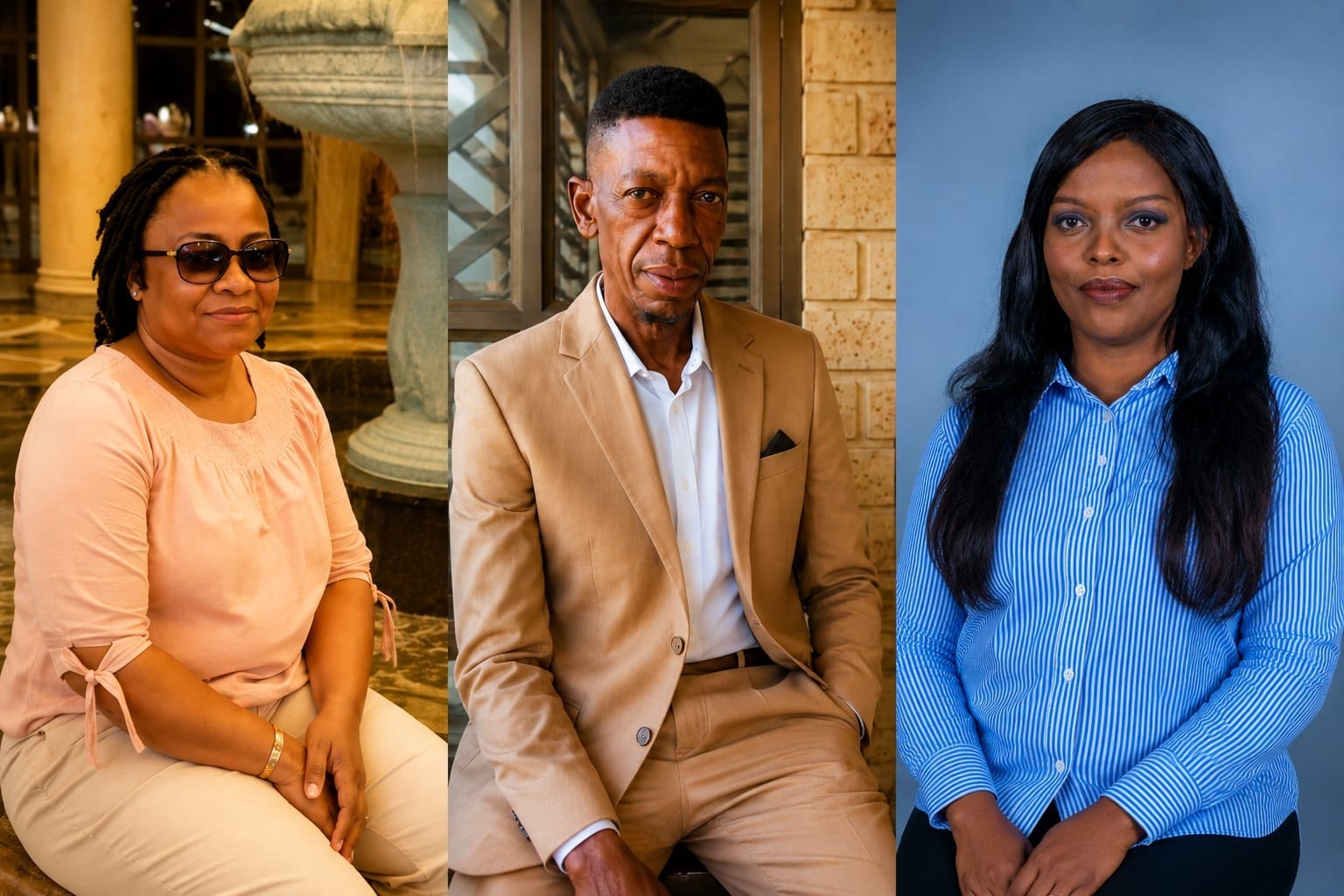
Dr Mary Mmatsatsi Madileng, 64, a senior lecturer in the Department of English Studies, died on 11 June, two days after collapsing at home from an aneurysm.
John Mboweni was employed in the IT department which come under pressure over the hiring of new adjunct academics at the beginning of the year when new staff members had to be onboarded, died on 15 June.
Mother of two children, aged 8 and three, Unathi Poyo, a lecturer in the Department of Criminal and Procedural Law, died on 19 June after working at Unisa for a decade as a contractor. She fell ill at work the month before with high-blood pressure and died in a public hospital without medical aid. Her children are being cared for by their 66-year-old granny.
But instead of compassion, the university issues threats, saying “it is deeply irresponsible, deplorable, and regrettable for anyone to exploit the passing of UNISA colleagues in pursuit of a false narrative intended to bring the name and reputation of the University into disrepute”.
After publication of the article, ednews.africa, received several phone calls from staff, including a senior professor, who described the Vice-Chancellor Professor Puleng LenkaBula as a “bully”. Staff members who were on contract and did not have it renewed want to speak about their experience under LenkaBula.
Social media is abuzz with past and previous academics and students sharing their stories about their plight at Unisa. Students expressed relief at learning that the problems they faced were not because of themselves but the implementation challenges at Unisa over the delays in marking of assignments. Many have not received their assignment marks as yet.
Unisa has been asked to comment - this article will be updated when Unisa responds, along with another request for an interview with LenkaBula to discuss the current issues and “congratulate Unisa for the noticeable strides it has made”.
While staff and students at Unisa are setting social media on fire, Prof. Lenkabula, addressed the Association of African Universities COREViP 2027 in Nairobi virtually at the weekend. She urged institutions to build universities that are resilient, relevant, and globally impactful. Asked if the AAU was aware of the challenges facing Unisa, a senior AAU official said: “This is serious.”
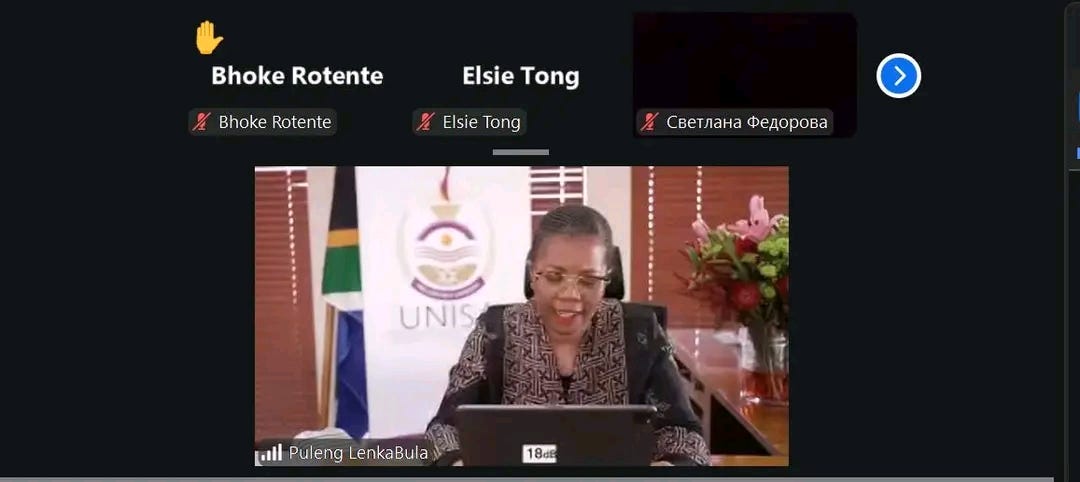
Meanwhile under Senokoane’s watch, Unisa insists that it remains steadfast in its commitment to supporting and strengthening the academic project, fostering institutional stability, and advancing its strategic vision of propelling UNISA to even greater heights.
But the families of the dead – and those in hospital, however, tell a different story.
The real noise has only just begun!
Share your Unisa stories with us – ednews.africa will listen, seek Unisa response, even Council, which continues to remain silent, as well as the education authorities, all within our goal of truthful journalism aimed at driving Unisa to “greater heights”.
ALL CORRESPONDENCE WILL REMAIN CONFIDENTIAL!
Email: ednews.africa@gmail.com
©Higher Education Media Services.