


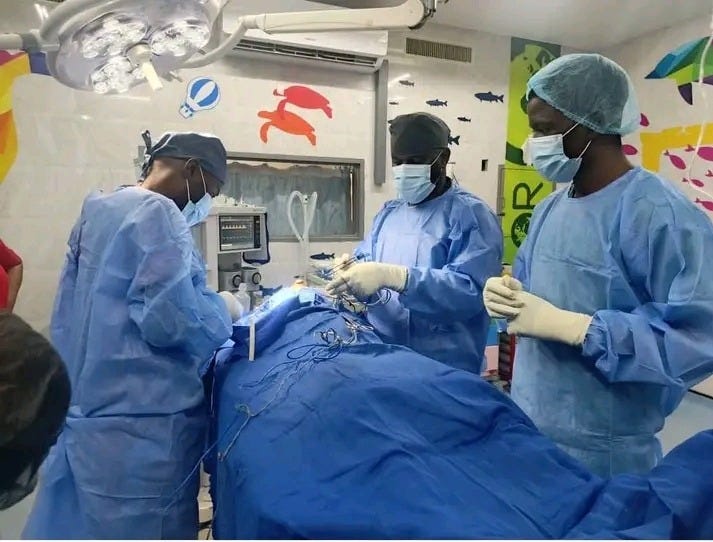
Doctors at the University Teaching Hospitals (UTH) Adult Hospital in Lusaka have successfully carried out a five‑day paediatric neurosurgical camp, during which 32 major brain and spinal surgeries were performed on babies and children aged between one day and 16 years.
The camp, held from April 13 to 17, 2026, had initially targeted 30 surgeries but exceeded this goal, benefiting children suffering from complex neurological conditions that require specialised neurosurgical care.
Conditions treated during the camp included hydrocephalus, spina bifida, occipital and frontal encephaloceles, brain tumours, and other disorders affecting the brain and spine. Many of these conditions, if left untreated, can lead to severe disability, developmental delays, and life‑threatening complications.
The life‑saving interventions were carried out by a multidisciplinary team of local neurosurgeons led by Dr Bwalya Brian Mwila. The team worked alongside anaesthetists, theatre nurses, and other supporting medical staff to ensure safe, high‑quality surgical care throughout the week.
Dr Mwila said one of the most complex procedures performed during the camp was the successful removal of a massive brain tumour from a seven‑year‑old boy. The tumour had spread to more than half of the left side of the child’s brain, but the surgery was successful and the patient is recovering well.
He added that two of the children required two procedures to be carried out in a single surgical sitting. These patients underwent spinal surgery to repair spina bifida as well as cerebrospinal fluid diversion through the insertion of a shunt.
Dr Mwila described the camp as part of a series of planned interventions for 2026 aimed at reaching children across the country who are in urgent need of specialised neurosurgical care.
“Although the need remains enormous and resources are limited, meaning that only a small number of children can be assisted at a time, we remain committed to expanding these services so that more children can access the care they urgently need,” he said.
The neurosurgical camp was fully sponsored by House of Hope, a transit home dedicated to supporting vulnerable children living with neurological conditions and their caregivers.
Located opposite UTH in Lusaka, House of Hope provides shelter and holistic support to children with neurological conditions and their mothers, particularly those who travel from remote parts of the country and have no family support in the capital.
The organisation facilitated all 32 surgeries and continues to provide accommodation, meals, and essential care for both mothers and children during the recovery period. House of Hope Chief Executive Officer Angela Chazura said the organisation covered all costs related to admission, transport, food, and additional medical needs for the patients and their caregivers.
The initiative highlights a strong partnership aimed at improving access to specialised paediatric neurosurgical care in Zambia, reducing the backlog of children awaiting surgery, and strengthening UTH’s capacity to deliver life‑saving interventions.
©Higher Education Media Services.