

Walking with Purpose: My First Year as UFS Vice-Chancellor, writes Hester C. Klopper
A Year of Purposeful Leadership at the University of the Free State
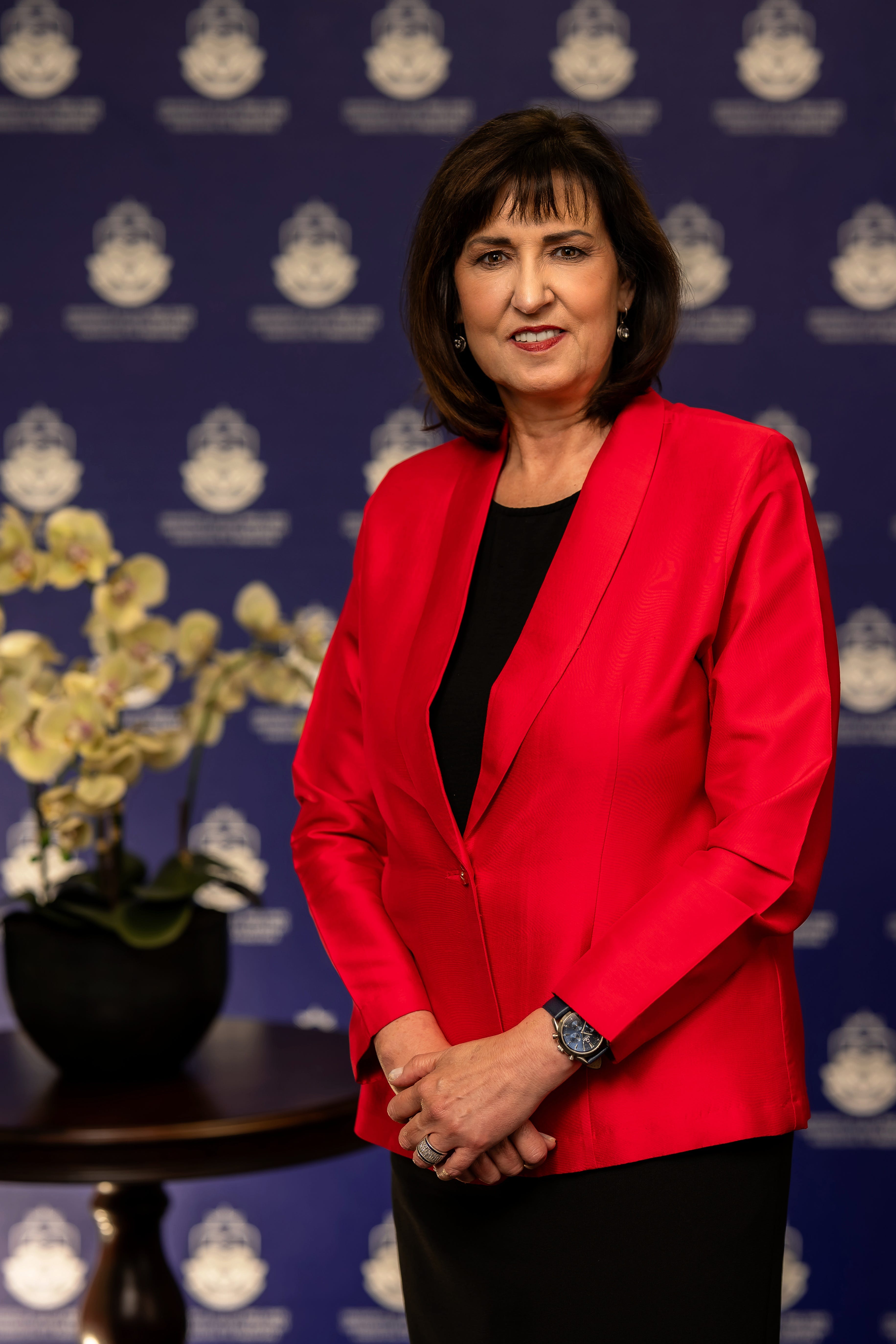
The first year of any leadership journey invites reflection. For me, that journey began on 9 June 2025 when I was inaugurated as the 15th Vice-Chancellor and Principal of the University of the Free State (UFS) – the first woman to hold this office in the university’s 122-year history. As I reflect on the year that followed, I do so with deep gratitude, humility, and a renewed sense of purpose.
From the outset, I spoke about the importance of walking with purpose. This was never intended as a slogan. It was a commitment to deliberate leadership, thoughtful decision-making, and ensuring that every strategic choice contributes to building a university that remains relevant, impactful, and responsive to the society it serves.
Refining the Strategic Vision of the UFS
Perhaps the most consequential work of the past year has been the refinement of our institutional strategy. Through extensive consultation across the university community, we undertook a mid-term review of the UFS Strategic Plan, not simply to measure progress, but to ensure that the university remains responsive to major geopolitical and higher education shifts shaping our multipolar world.
This process led to a renewed vision for the UFS as an innovative, research-led, student-centred, and regionally engaged institution contributing meaningfully to responsible societal futures.
To realise this vision, we sharpened our focus around five strategic priorities:
Advancing academic excellence and research impact
Strengthening institutional agility and responsiveness
Nurturing a transformational institutional culture
Securing long-term sustainability
Accelerating collaborative innovation and global integration
Supporting these priorities are several strategic themes guiding investment decisions and institutional planning. These include academic renewal, entrepreneurial development, comprehensive internationalisation, systemic sustainability, and optimisation of our multi-campus model.
Together, these priorities position the University of the Free State to lead confidently in an era defined by technological disruption, societal complexity, and rapidly changing expectations of higher education.
Leadership Lessons: The Importance of Listening
One of the most valuable lessons I have learned during this first year is the importance of listening.
Engagements with students, staff, alumni, government, industry, donors, and community stakeholders have deepened my understanding of the critical role the university plays in shaping lives, communities, and futures.
These conversations reaffirmed my belief that the greatest strength of the UFS lies in its people. It is the talent, resilience, and commitment of our students, staff, alumni, partners, and supporters that continue to drive innovation, excellence, and societal impact.
Student Success Remains Our Core Priority
Our commitment to student success remains central to our academic mission. Universities exist because of students, and their success remains our most important measure of impact.
One of the initiatives introduced this year was the VC-ISRC Imbewu Legacy Fund, developed in partnership with student leaders to support financially vulnerable students.
More than a funding initiative, Imbewu represents our conviction that investing in students is an investment in the future. Guided by the principle that every seed counts and every student matters, the fund demonstrates how even small contributions can transform lives and unlock potential.
Alongside student support, we have prioritised student wellness, leadership development, staff growth, and the advancement of women in academia through initiatives such as Women Influencing Scholarship and Education (WISE).
To strengthen institutional capacity, we also advanced the development of a Strategic People Development Strategy and established the UFS Training Academy as a dedicated hub for staff learning and professional development
Driving Innovation, Research, and Academic Renewal
The rapidly evolving world of work continues to reshape higher education. During the past year, the UFS made significant progress in renewing its academic programme offering to ensure graduates are equipped for a future shaped by artificial intelligence, sustainability challenges, and changing labour markets.
This renewal includes the development of new qualifications such as:
The planned Bachelor of Veterinary Science programme
Agricultural Biosystems Engineering
Postgraduate programmes in Ecological and Nature-based Engineering Sciences
At the same time, we are placing greater emphasis on nurturing critical thinking, ethical leadership, entrepreneurial capability, digital fluency, and adaptability among graduates.
Research excellence also remains central to our identity as a university in Africa, and for the world. We strengthened thematic research leadership in sustainability, societal advancement, planetary health, and social flourishing.
The year yielded several significant achievements:
Becoming the first clinical site globally to integrate artificial intelligence into cancer treatment planning through a Radiation Planning Assistant
Launching a pioneering Giraffe Research Programme
Achieving Platinum status in the Good Financial Grant Practice accreditation – the only South African university to do so
Launching a new learning management system to support innovative and accessible teaching and learning
Turning Strategy into Action
A defining principle of my first year has been that strategy only matters when translated into action.
Preparations are underway for the launch of the Free State Futures Forum, a platform aimed at fostering dialogue, thought leadership, and collaborative problem-solving around key societal challenges.
We also consolidated our research agenda around four transdisciplinary themes:
Sustainable and Green Futures
Systems for Societal Advancement
Planetary Health Futures
Social Dynamics for a Flourishing Life
To support these ambitions, the consolidated UFS Strategic Fund has been positioned as a catalyst for innovation and transdisciplinary research, including investments in the Interdisciplinary Centre for Digital Futures.
In parallel, work continues on the Transdisciplinary Innovation Hub on the South Campus, designed to bring together researchers, students, industry, government, and communities to co-create practical solutions to real-world challenges.
Advancing Transformation and Sustainability
Transformation and sustainability remain central to the university’s future.
The implementation of a comprehensive Transformation Scorecard is underway to strengthen accountability and accelerate progress toward inclusivity and equity.
Meanwhile, initiatives such as the VC Talent Magnet Fund continue attracting top academic talent, while new institutional entities – including UFS Knowledge Enterprise and UFS Commercial – are helping diversify revenue streams and strengthen financial sustainability.
These efforts reflect a broader commitment to responsible stewardship and long-term institutional resilience.
Expanding the UFS Global Footprint
Internationalisation has remained a strategic priority throughout the year.
The University of the Free State continues to perform strongly in international rankings, including:
Ninth in the Times Higher Education Africa Rankings
Eighth in the QS World University Rankings for Sub-Saharan Africa
Through an Africa-first approach complemented by carefully developed international partnerships, we have expanded opportunities for student and staff mobility, strengthened research collaboration, and increased the university’s participation in influential global higher education forums.
These efforts position the UFS as a globally engaged and regionally relevant institution contributing meaningfully to scholarship, leadership, and societal progress.
Building a Sustainable Future for Higher Education
While there is much to celebrate, leadership also requires honesty about the challenges facing higher education. Financial pressures across the sector continue to demand careful stewardship and long-term resilience.
Throughout the year, we have taken deliberate steps to protect our academic mission while strengthening institutional sustainability.
As I look ahead, I do so with optimism and conviction. The past year has been one of listening, learning, relationship-building, and strategic refinement.
Together, we have built a stronger foundation anchored in academic excellence, innovation, sustainability, transformation, and societal impact.
The future will demand courage, adaptability, and bold thinking from universities everywhere. I am confident that the University of the Free State is ready for that future.
With a clear direction, a committed university community, and a shared belief in the transformative power of higher education, we enter the next chapter with purpose, conviction, and an unwavering commitment to shaping responsible societal futures.
Prof Hester C. Klopper is the first woman Vice-Chancellor and Principal of the University of the Free State in its 122 year history.
©Higher Education Media Services.