


At the start of Human Rights Month in March, activists will take to the streets to demand justice and recognition for those made invisible by systemic neglect and victims of human rights violations such as Nathaniel Julies and Lufuno Mavhungu.
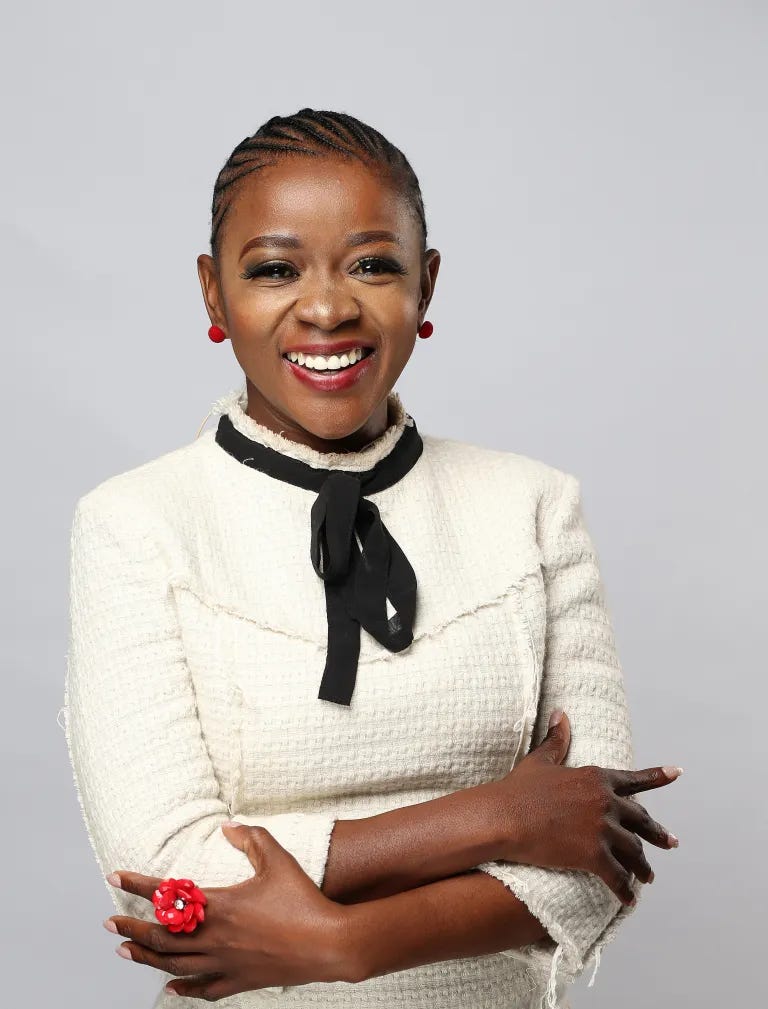
Activist, entrepreneur and motivational speaker Masingita Masunga says people living with disabilities and other challenges will take to the streets on 2 March because they are tired of being treated like non-entities in a country that insists it stands for human rights.
“We are tired of a system that protects some and sidelines others. Tired of watching our rights become optional, negotiable, conditional. Tired of being told to be patient while injustice moves at lightning speed against us. We are human too,” says Masunga in a statement.
Remembering names like Nathaniel Julies, an Eldorado Park boy with disabilities who was killed by the police and the victims of Life Esidimeni tragedy, Masunga says the march calls for inclusive human rights protection, equal access to justice and an end to selective protection.
“We have already buried children like Nathaniel Julies. We have already watched 144 vulnerable lives lost in the Life Esidimeni tragedy - men and women with mental health conditions moved like burdens, abandoned without care, left to die in hunger, neglect, and silence.
“We have already seen the devastating impact of bullying in cases like Lufuno Mavhungu. (Mavhungu was a 15-year-old Grade 10 learner who committed suicide after a video of his bullying went viral on social media).
“Each time, we say ‘never again’. Each time, we mourn. Each time, we promise to do better.
“And yet the everyday dehumanisation continues, in comments, in skits, in viral videos. It continues because it is tolerated. It continues because influential voices remain quiet. It continues because people who know better choose comfort over confrontation,” she says.
Masunga stresses that human rights are not privileges for the powerful but belong to everyone and people living with disabilities are refusing to stay behind any longer.
“Activists vow to confront ableism, bullying and dehumanisation — calling the nation to stand up, speak out and remember that everyBODY counts.”
The march comes in the light of disturbing images, including videos on social media that have gone viral, mimicking persons with disabilities.
Masunga condemns these images she describes as “packaged as humour, edited for engagement, going viral yet beneath the views and the laughter, there is something corrosive taking root”.
She criticises what she says looks like ‘just content’ but lands as something much heavier.
“It lands as confirmation — of every stare that lingered too long, every whisper, every joke, every moment someone with a disability was made to feel less than fully human. It reinforces the idea that our bodies, our movements, our speech, our differences are costumes to put on for laughs and discard when the camera turns off.
“We have seen this before in different forms. We know the harm of blackface. We understand why racism, sexism, and homophobia are unacceptable. Yet when it comes to ableism, ageism and tribalism people hesitate.
“They minimise it. ’t’s not that deep’. ’They didn’t mean it’. ‘It’s just humour’.”
Gender activist and motivation speaker Mbuyiselo Botha has also come out in support of the march for the recognition of human rights for all and condemns the skits as distasteful.
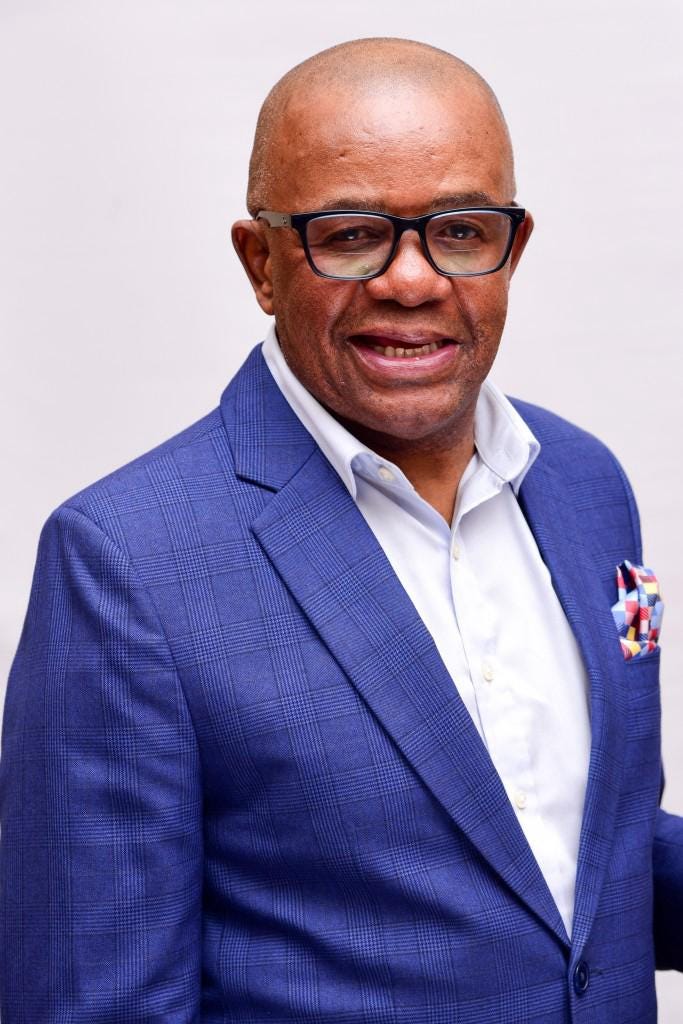
These posts are meant to denigrate, dehumanise and geared towards making us looked upon unfavourably as incompetent people - creating an impression that something is inherently wrong with us, says Botha in an interview.
“I live with a disability, in fact, I think it is an important thing to highlight these anomalies in our society. The march is a noble cause. The world must know that there is nothing about us without us. If I didn’t have prior engagements, I would be right there at the forefront of march,” says Botha.
Asked how he has managed to become the achiever he is, Botha says what “helped me was to understand that there is much more to me than being disabled. My self-worth is not defined by my disability. I moved from pity or self-pity, to being a human being with self-worth, disability does not define who I am.
“That is why I am able to laugh about it. I wouldn’t have if I had low self-esteem. I would have hidden myself in the house after I was shot and injured. Low self-esteem is when you give other people power over you. When I laugh and joke about my disability, it is self-liberating and liberates people around me.
“I know from 40 years ago after being shot in 1986, that you are not a sum total of your disability”.
In a country like South Africa - a nation with a painful history of oppression and dehumanisation, normalised cruelty is dangerous, says Masunga.
“It creates an environment where people feel entitled to mock, to shame, to bully, to devalue. It creates a culture where harm escalates because no one interrupts it”.
Masunga says the planned march is a cry from broken hearts and a call to conscience and she urges all caring South Africans to join as they take a stand for dignity and equality.
“If we are serious about healing as a nation, we cannot fight discrimination selectively. We cannot condemn racism but excuse ableism. We cannot defend dignity in theory but ignore it in practice. Justice does not work in fragments.
“This is a call to stand publicly and clearly , against ableism, bullying, cyberbullying, body shaming, tribalism, and every form of discrimination. Not when it trends. Not when it is too late. Now.
“We are asking you to use your voice — because your voice carries weight”.
Masunga suggest the following actionables to support the cause:
* Record and share a video message condemning ableism and affirming the dignity of persons with disabilities and the elderly.
* Use your platform to raise awareness and shift the narrative.
* Join us at the peaceful march on 02 March, the beginning of Human Rights Month, from Constitution Hill to the South African Human Rights Commission — or do both.
History remembers who spoke. It also remembers who did not, she says.
“Right now, people are watching. People with disabilities are watching. Families are watching. Those who feel invisible are watching. What they see from leaders and influential voices will either affirm their humanity or confirm their isolation.
“Your voice matters and we need to count everyBODY because everyBODY counts”.
©Higher Education Media Services