


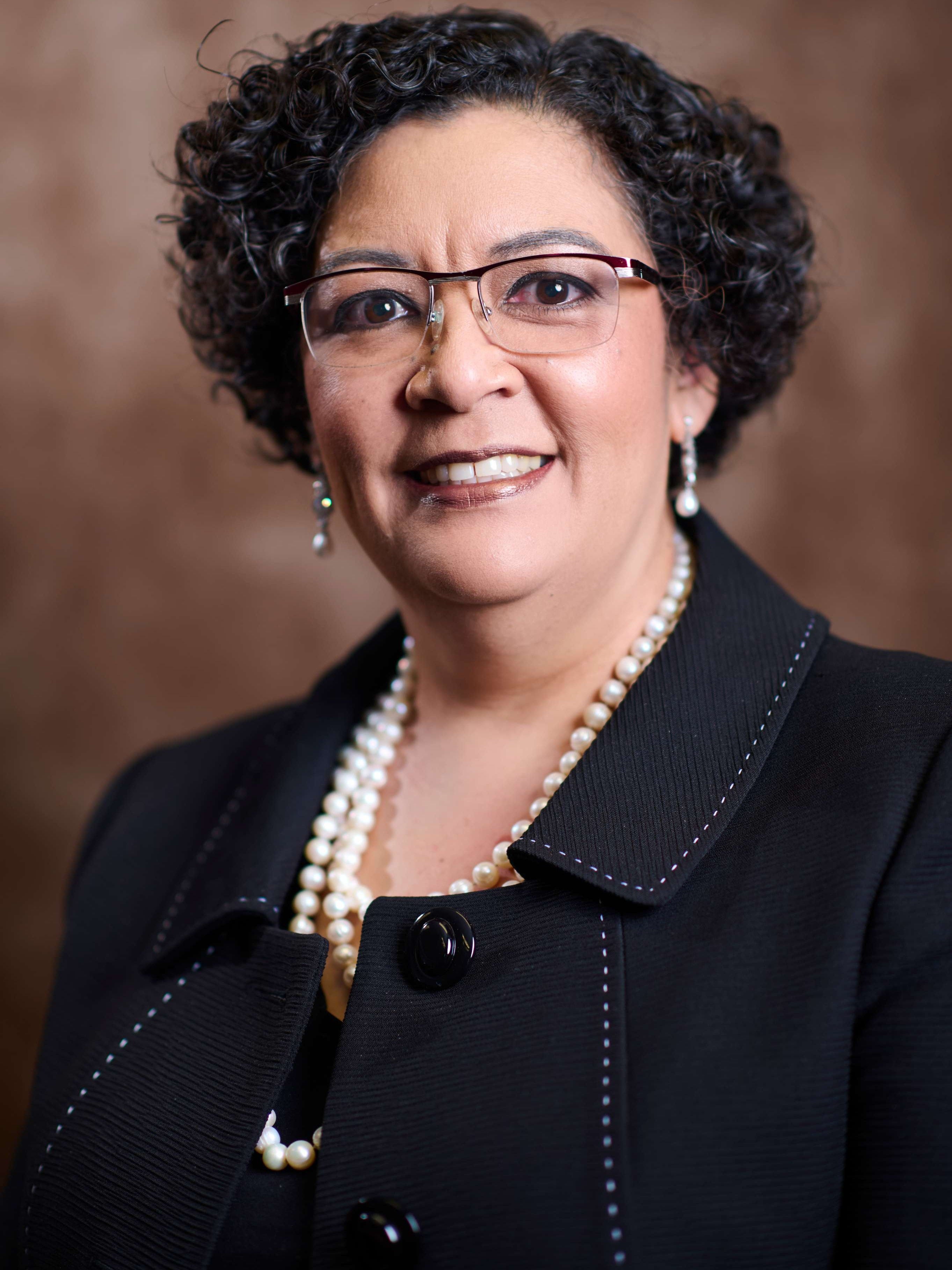
As South Africa’s public sector intensifies its focus on governance reform and accountability, the National Lotteries Commission is emerging as a case study in leadership transformation, with significant representation of women in key decision-making roles. Across governance, regulatory compliance and finance, these women are not only steering reform but also redefining what ethical, people-centred leadership looks like in a critical national institution.
Evidence increasingly shows that leadership diversity strengthens institutional performance. Studies within South Africa’s public sector indicate that women in leadership contribute positively to governance practices, social cohesion and inclusive development. Globally, research links greater female participation in governance to improved stability and more inclusive decision-making. A large-scale review of leadership outcomes found that nearly 90% of studies reported positive organisational impact associated with female leadership, including stronger financial performance, enhanced ethical governance and improved organisational culture. i
Importantly, this is not about replacing one leadership model with another, but about strengthening institutions through a broader range of perspectives, leadership styles and experiences.
At the Helm: Commissioner Jodi Scholtz
Since her appointment in February 2023, Jodi Scholtz, the Commissioner of the National Lotteries Commission, has become a central figure in the organisation’s efforts to stabilise and renew. As the NLC’s accounting authority, Scholtz is responsible for regulatory oversight, grant-funding governance and the restoration of public trust after years of reputational damage.
Her tenure has been marked by an emphasis on ethical leadership, digital transformation and accountability, including progress towards improved audit outcomes and strengthened internal controls. Scholtz has publicly highlighted milestones, including driving digital modernisation, strengthening governance systems, and securing clean audit outcomes, signaling a decisive break from the past. Her leadership style—which she describes as values-driven and rooted in empathy—offers a powerful example of women leading with both authority and humanity, particularly in high-pressure regulatory environments.
“Our focus is on building an institution that is accountable, transparent and responsive to the communities we serve. Leadership is not just about authority, it is about stewardship, says Scholtz.
Women Shaping Governance at Board Level
Women are also prominently represented on the board, where strategic direction and oversight are set. Among them is Beryl Ferguson, a seasoned board member and former chairperson of the South African National Biodiversity Institute, bringing deep experience in governance, public accountability and sustainability.
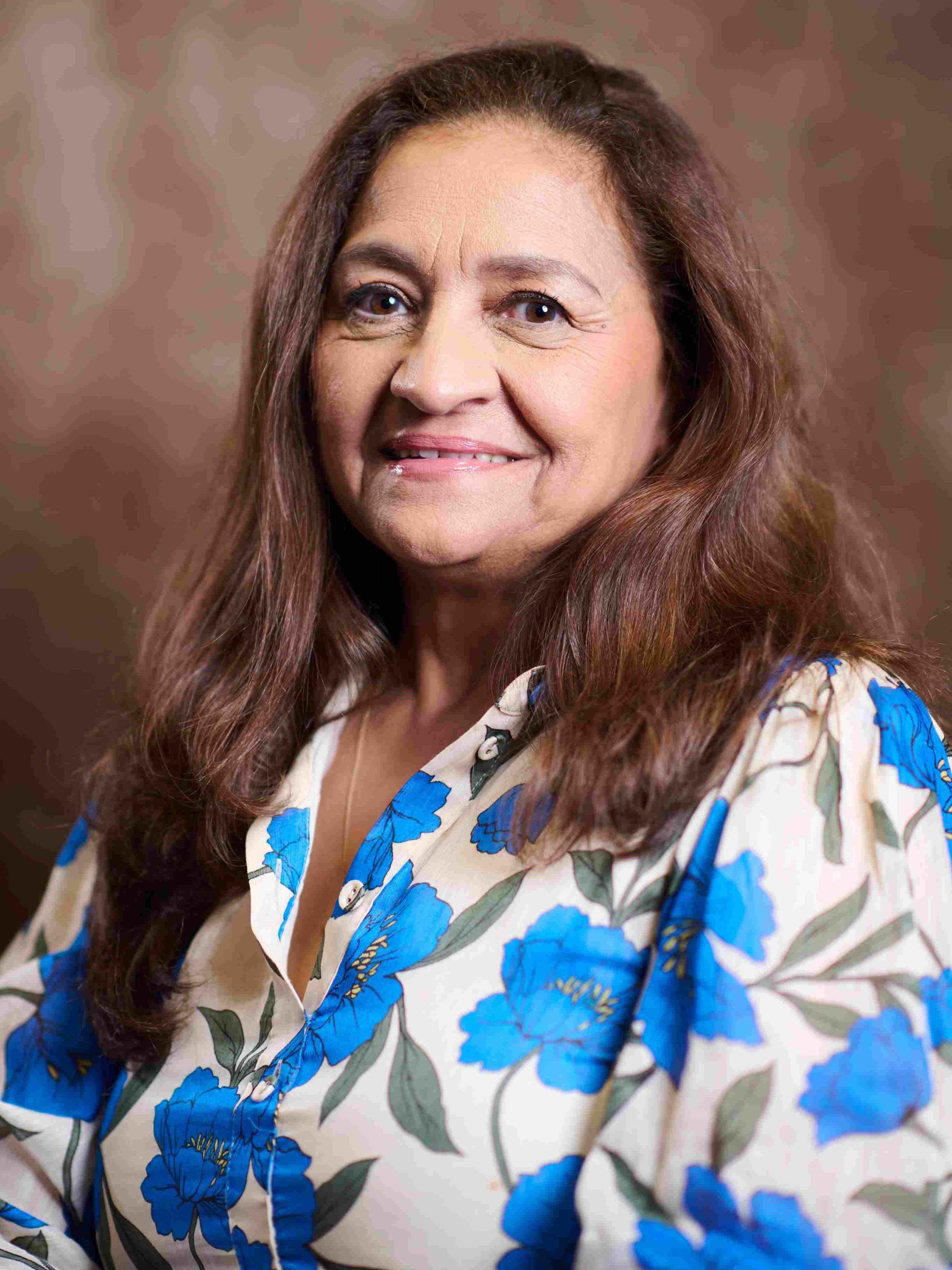
Alongside her is Precious Mvulane, a respected chartered accountant and auditor whose expertise in audit and risk management strengthens the NLC’s financial oversight capabilities.
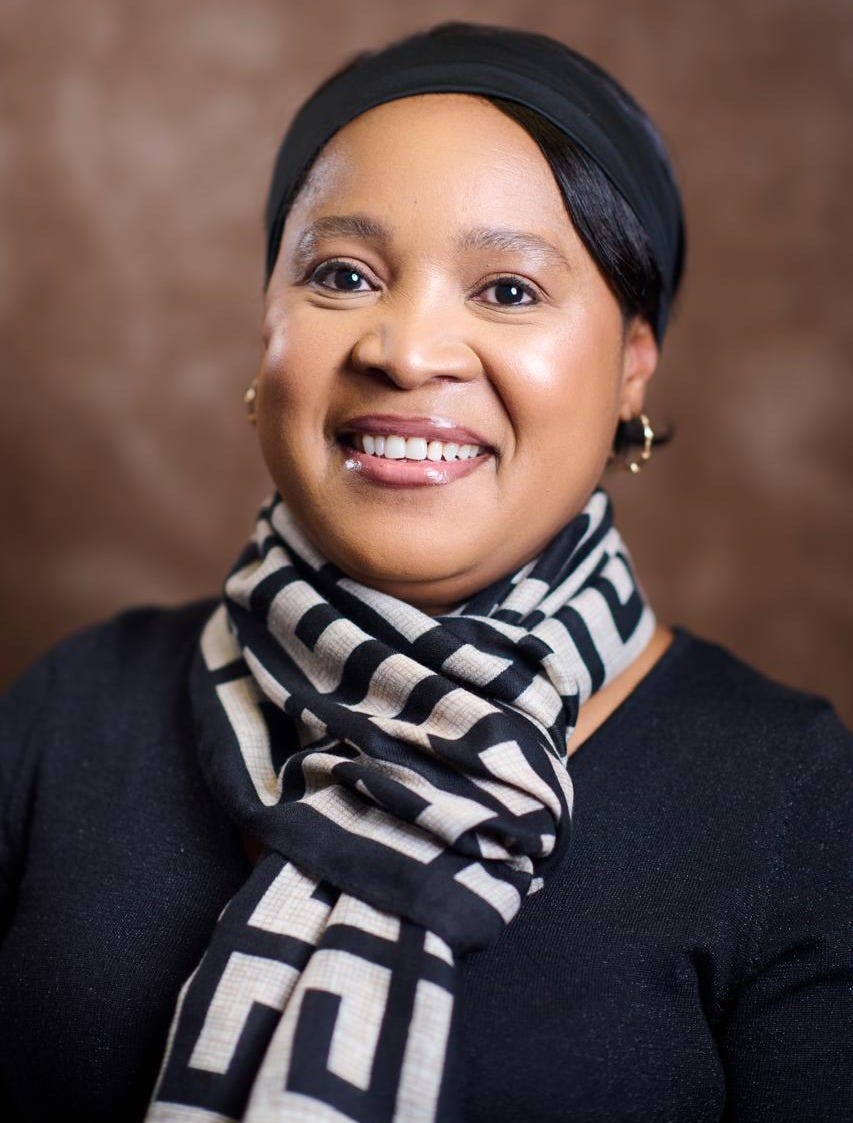
Another key figure is Irene Ramafola, a qualified Chartered Accountant (CA (SA)), who is the Chief Financial Officer of the Department of Trade, Industry and Competition (the dtic) and has extensive public finance experience, including her previous role as chief financial officer at the Department of Economic Development. Ramafola’s presence brings critical financial discipline and strategic insight at a time when transparent management of public funds is non-negotiable.

Together, these women help to ensure that governance at the NLC is not only compliant with legislation but also responsive to the needs of the communities the Commission strives to serve. Collectively, their expertise reinforces governance resilience at a time when public trust in institutions is under heightened scrutiny.
Distributing Agency Leadership Strengthening Grant Governance
At the level of grant adjudication, the National Lotteries Commission continues to benefit from strong female leadership within its Distributing Agencies, where funding decisions are assessed and approved.
Appointed in July 2025 by the Minister of Trade, Industry and Competition, Dr Zukiswa Yoliswa Zinhle Nzo serves as one of the three chairpersons of the Distributing Agency.

Nzo is Research Fellow at the University of the Free State’s Free State Centre for Human Rights within the Faculty of Law, she brings over 16 years of multidisciplinary experience spanning government, academia, civil society and the private sector. Her work as an inclusion researcher, social entrepreneur and facilitator reinforces a governance approach that is both rigorous and socially responsive.
She is joined by Ms Chickey Silvy Mofet-Mubu, a graduate of the Wits Business School and former senior manager at the National Lotteries Commission, where she oversaw grant funding processes.

Together with their fellow chairperson, they play a critical role in overseeing the evaluation, adjudication and recommendation of funding applications, while ensuring adherence to the Commission’s legislated 150-day turnaround timeframe.
Collectively, their leadership strengthens the integrity, efficiency and accountability of the NLC’s grant funding system, ensuring that resources are directed to initiatives that deliver meaningful social impact.
Executive Leadership: Women in Operational Command
At the executive level, women are not only shaping strategy but also driving operational delivery across critical functions.
• Ms Tina Maharaj, the Chief Financial Officer, oversees the NLC’s financial stewardship, budget controls and fiscal compliance, a role fundamental to ensuring that lottery proceeds reach deserving causes responsibly.

• Ms Tintswalo Nkuna is the Executive Manager: Regulatory Compliance.
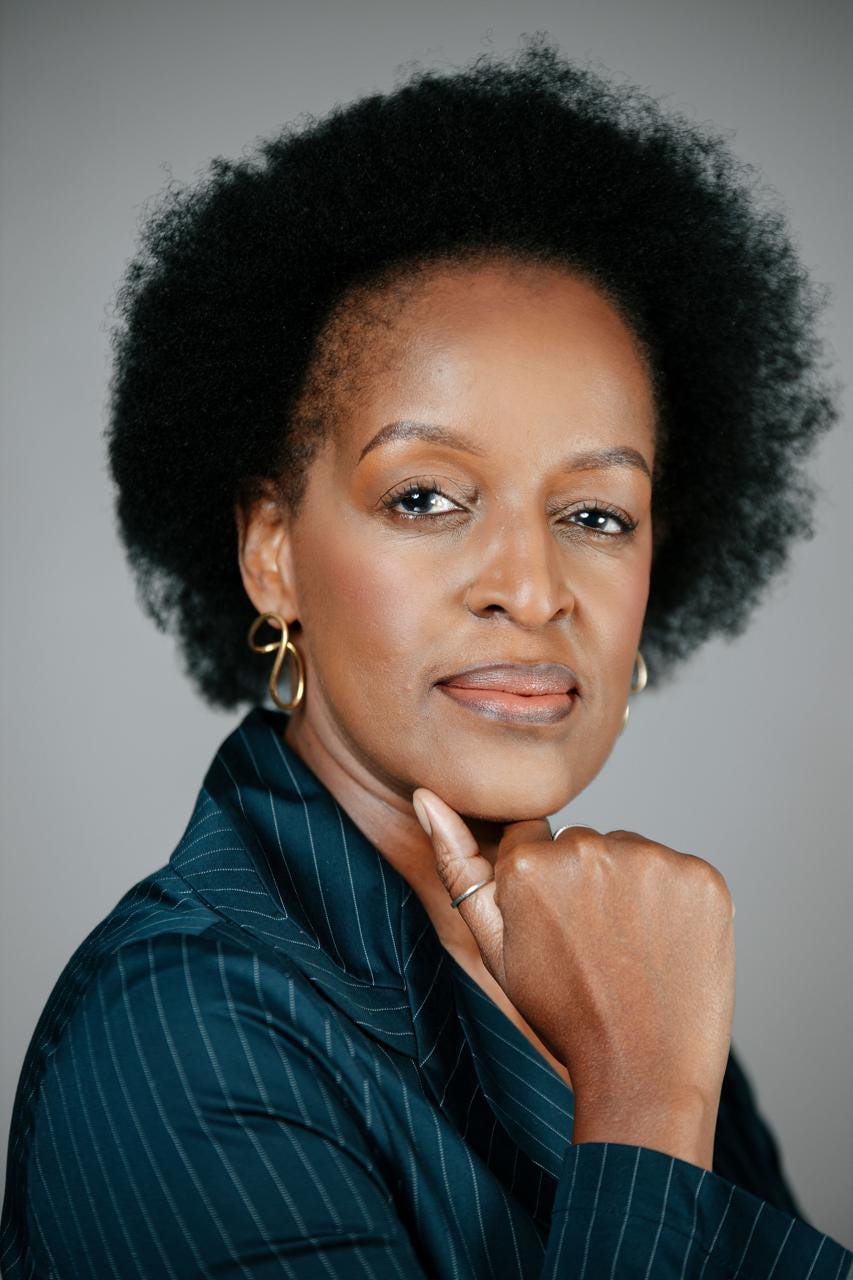
She is pivotal in enforcing compliance and safeguarding the integrity of the Lottery ecosystem.
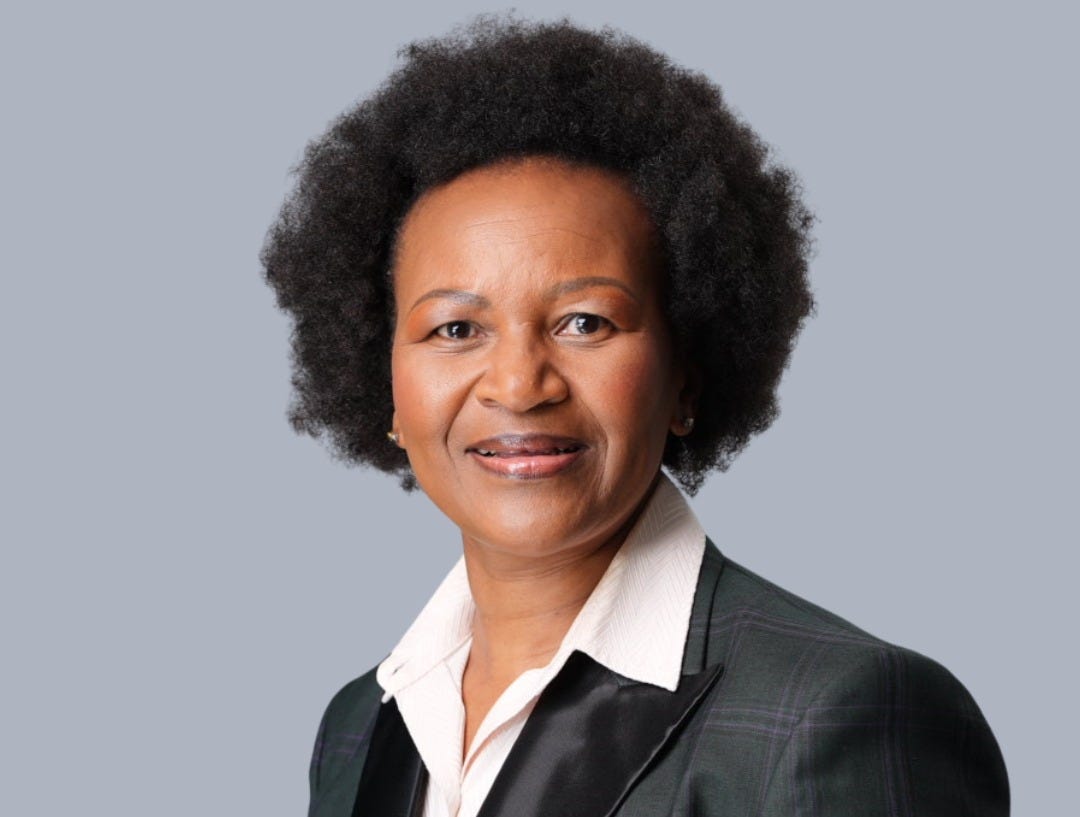
• Ms Poppy Tshabalala, Chief Information Officer, is a seasoned ICT executive who is currently leading the NLC’s digital transformation strategy, ensuring that the Commission’s operations are modernised in alignment with South Africa’s e-government objectives.
These women collectively anchor the NLC’s transition from crisis management to sustainable governance.
Inspiring a New Generation of Public Servants
The visibility of women in such powerful roles at the NLC sends a clear and encouraging message: public service leadership is not defined by gender. For young women considering careers in regulatory compliance, finance, law or governance, these leaders offer tangible proof that it is possible to rise, lead and effect meaningful change within state institutions.
Their journeys help demystify senior roles that often seem inaccessible, particularly to women from disadvantaged backgrounds. By occupying spaces where crucial decisions are made, they normalise women’s authority and expand the pipeline of future female leaders in the public sector.
The Impact of Women-Centred Leadership
Women leaders at the NLC bring more than demographic diversity—they introduce inclusive leadership approaches, heightened ethical sensitivity and a long-term view of social impact. In the context of the NLC’s mandate to distribute funding to social causes, this leadership approach translates into stronger oversight, improved transparency and a sharper focus on community impact. At the NLC, this translates into greater focus on accountability, improved stakeholder trust and a renewed commitment to ensuring that Lottery funds uplift the most vulnerable. Their influence is felt not only internally but also across the thousands of non-profit organisations that rely on the Commission’s work.
Redefining Power Through Service
In a country still grappling with inequality and gender disparities, the women of the National Lotteries Commission demonstrate that leadership is most powerful when it is rooted in service. By restoring credibility, strengthening governance and opening doors for others, they are quietly but firmly transforming the institution—and inspiring a future where women’s leadership in public service is not the exception, but the norm.
©Higher Education Media Services.